Walking on an incline benefits

Walking on an incline benefits

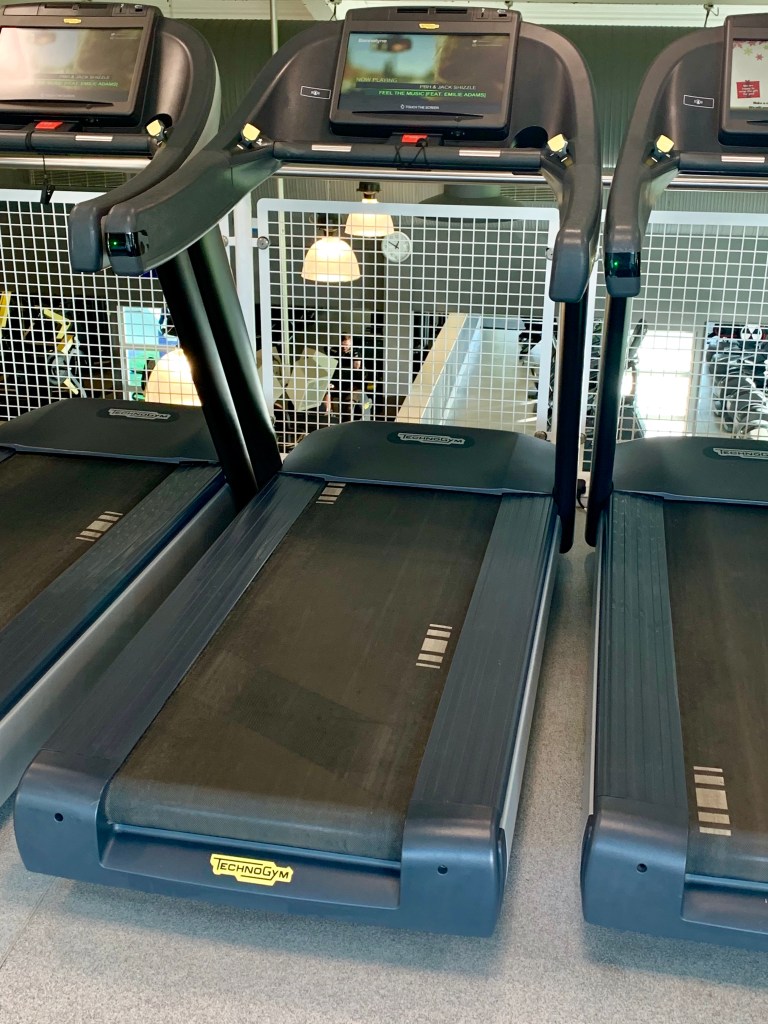
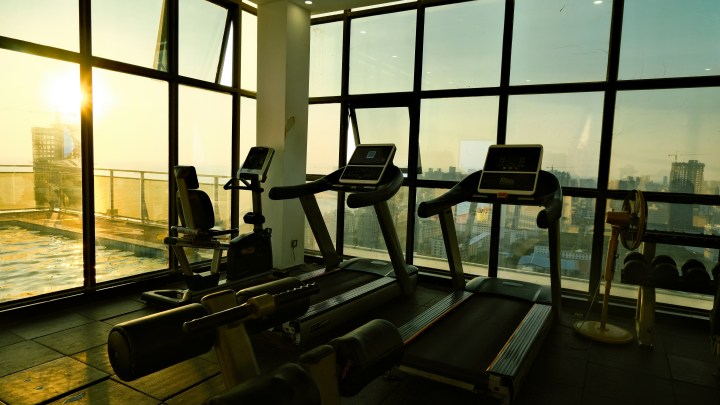
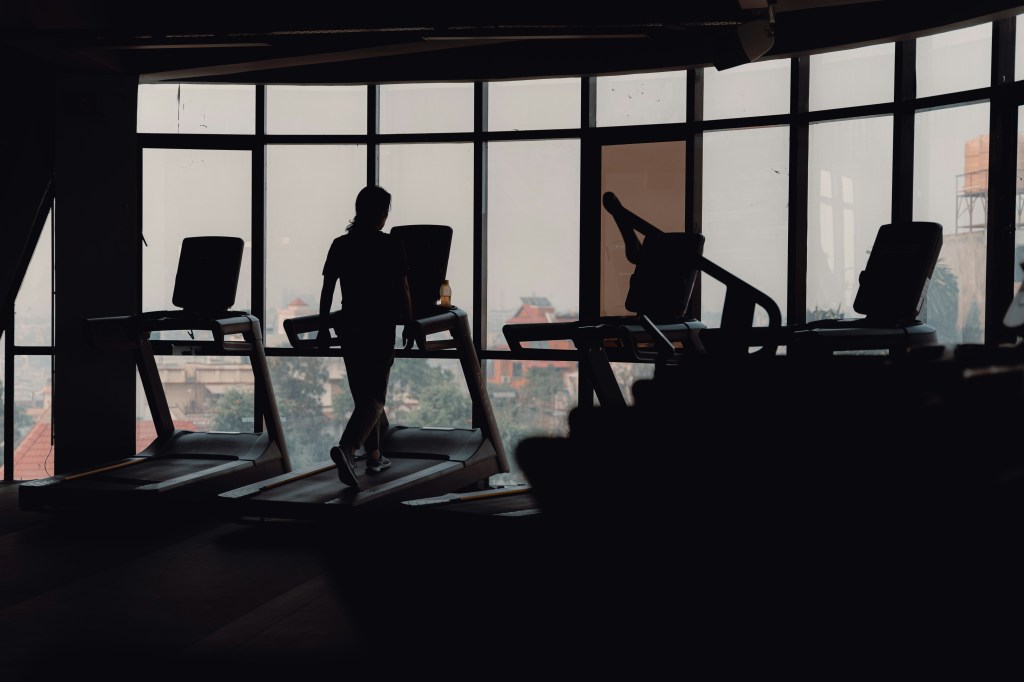
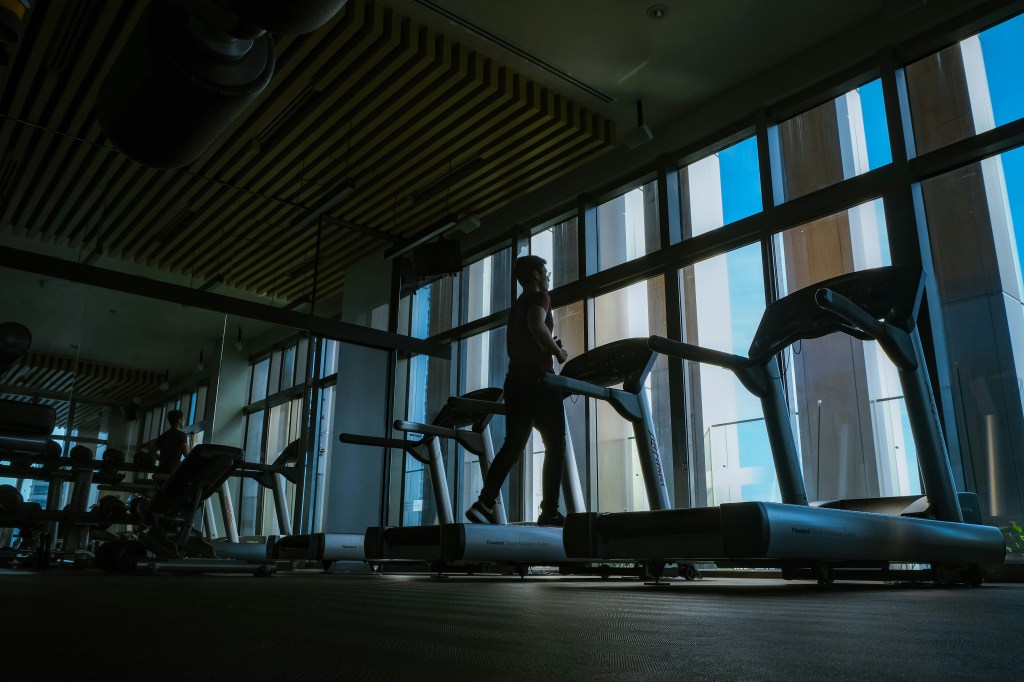
We have introduced so many fitness workouts into our routine over the years, and are currently hooked on walking on an incline at a steady pace. Try walking on a level 12 incline at a 3-mile per hour speed for 30 minutes… If you don’t break a sweat doing this we can’t help you! lol. When you walk on a treadmill with an incline, posterior muscles like your glutes, hamstrings, calves, and back are getting to work. It’s a form of resistance training, and you’re building strength in your glutes, hamstrings, back, and core muscles.

On top of that, the speed adds more difficulty. Three mph might not sound that fast, but combined with the incline, you will definitely feel the burn. Your heart rate will also rise since you’re working harder walking uphill at a quicker pace, and although the workout may feel super tough at first but if you’re consistent, over time your body will adjust as your body adapts to its “new normal” working capacity.
(Photo Credit: Gold-S-Gym-Nepal)

Beneficial for your bones: Incline walking is a weight-bearing exercise, so with the resistance the body creates, you naturally strengthen your bone density.

May help with weight loss—if you’re consistent: It’s important to note that weight loss is determined by many factors from calorie intake to moving your body regularly, any potential weight loss from doing this workout will vary from person to person. If you’re trying the workout specifically to lose weight, the key is to stay consistent.
(Photo Credit: Ridhwan-Nordin)

Helps your heart: This workout could be a helpful addition to build endurance and boost cardiovascular health. Moderate-intensity walking, three to five times per week for three months is said to lower blood pressure.

Calorie Burn! This workout sesh can burn anywhere from over 180 calories to over 300 calories, depending on factors like incline, speed, and the individual’s weight and fitness level. 

If you enjoyed this post feel free to like, follow, share and comment!

Shelley & Michelle xx
Reasons why you should add skipping to your workout routine

Reasons why you should add skipping to your workout routine

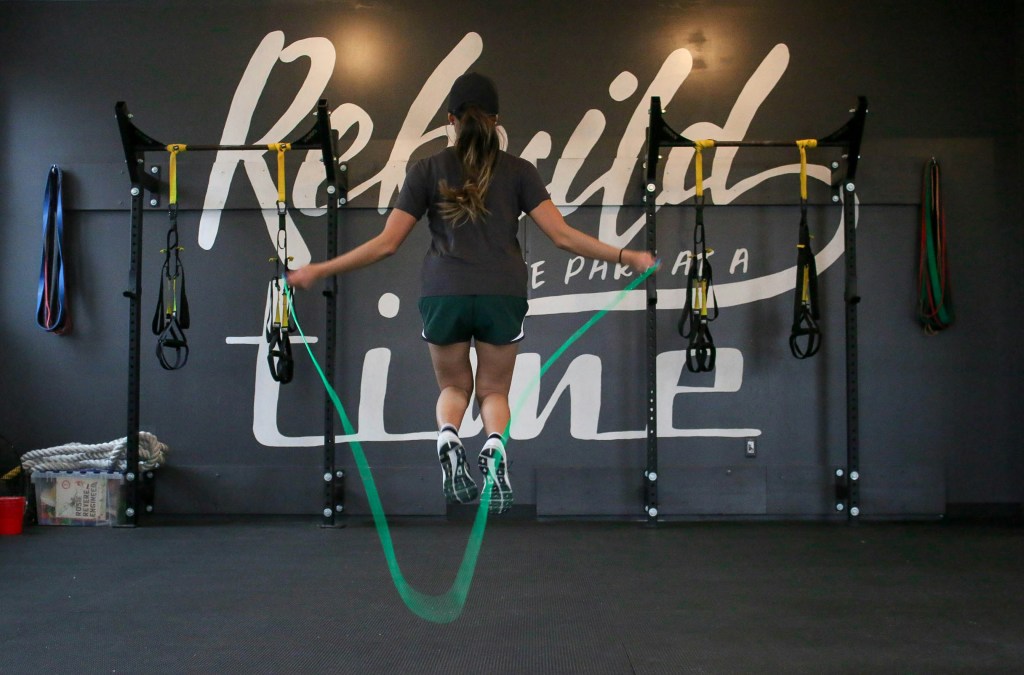
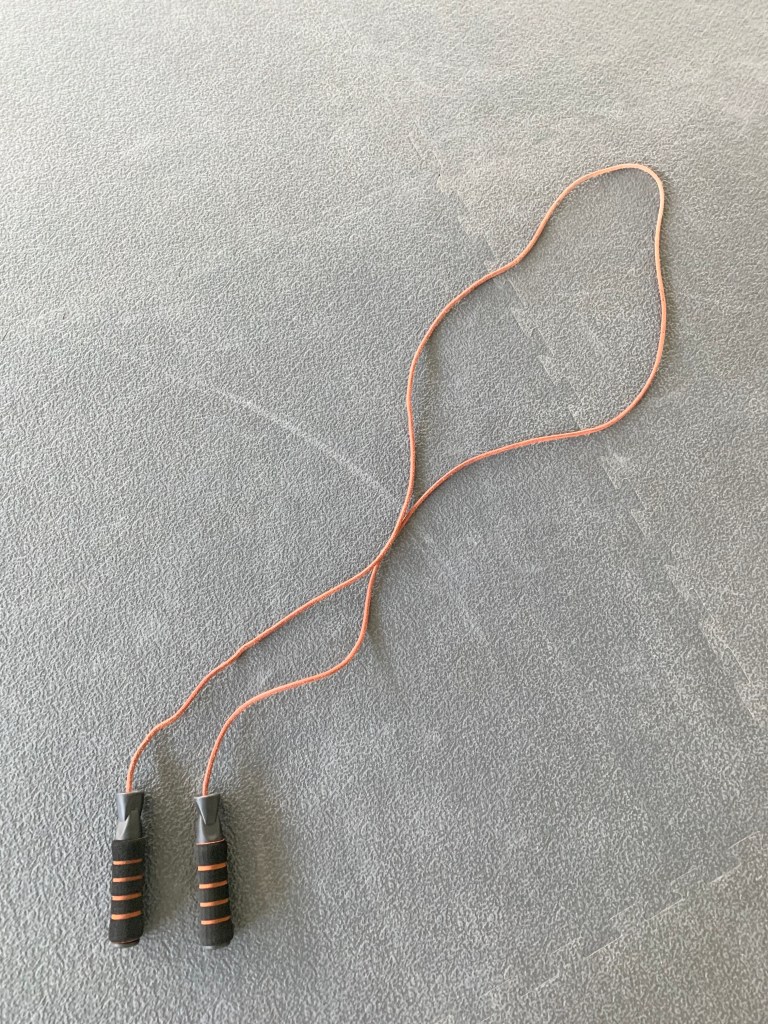
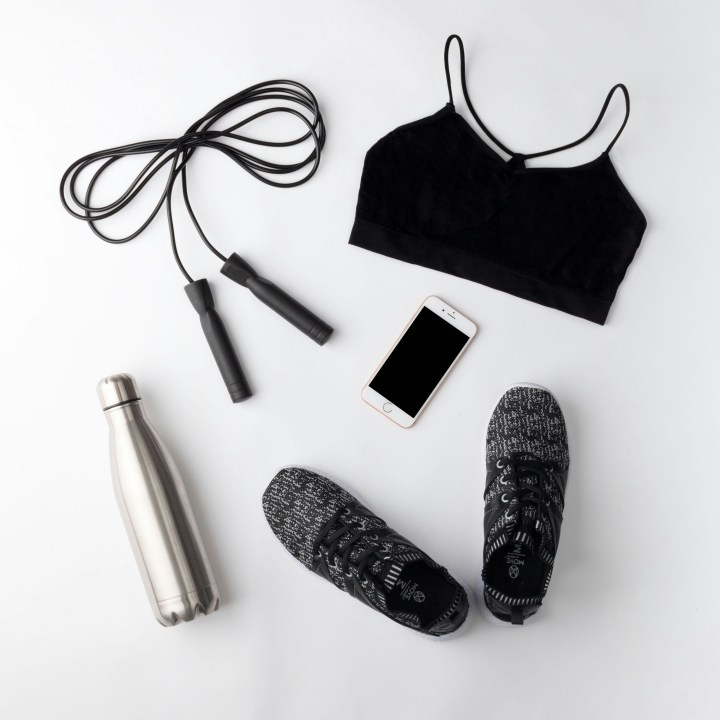
As kids, most of us spent our time skipping rope in the garden with our siblings and family members, or at the school playground with friends. It was so much fun we didn’t even realise it’s such a good way to get in some exercise, and of course we had loads more energy back then! A skipping rope workout is one of the most effective and underrated exercises for full-body fitness. Whether your goal is fat loss, endurance, strength, or agility, skipping is one of the best ways of training. It’s easy to start, highly effective, and requires minimal space making it the perfect workout for busy lifestyles and the best part is, you can incorporate skipping into your routine at anytime.

(Photo Credit: Element5-Digital)

Can improve coordination and balance: Adding skipping to your workout routine can be a great way to improve your balance and coordination. Learning to skip rope involves the coordination of your arms, legs, and torso while also keeping a constant rhythm. You decide how fast you’re jumping and rotating the rope, which means you can slowly build your coordination and balance based on your needs.

Improves cardio fitness: Skipping is great for improving your cardio fitness. Jumping continuously for a period of time increases your heart and respiratory rate. Over time, this can strengthen your heart and improve your lung capacity, allowing you to exercise for longer.

Strengthens muscles: Skipping rope relies on your lower body muscles such as your calves, thighs, and bottom. And upper body including your shoulders, biceps and abdominal muscles. This not only helps improve muscle strength but also muscular endurance, which allows your muscles to exercise for longer.

(Photo Credit: Kelly-Sikkema)

Apart from helping improve your coordination, getting your heart rate going and burning calories. Another benefit is that it’s an easy and affordable way to get some cardio in. So buy a skipping rope and get skipping! It can be done almost anywhere – just try to avoid knocking over your furniture.

Shelley & Michelle xx


5 Hot Yoga Benefits For A Healthier Mind And Body

5 Hot Yoga Benefits For A Healthier Mind And Body

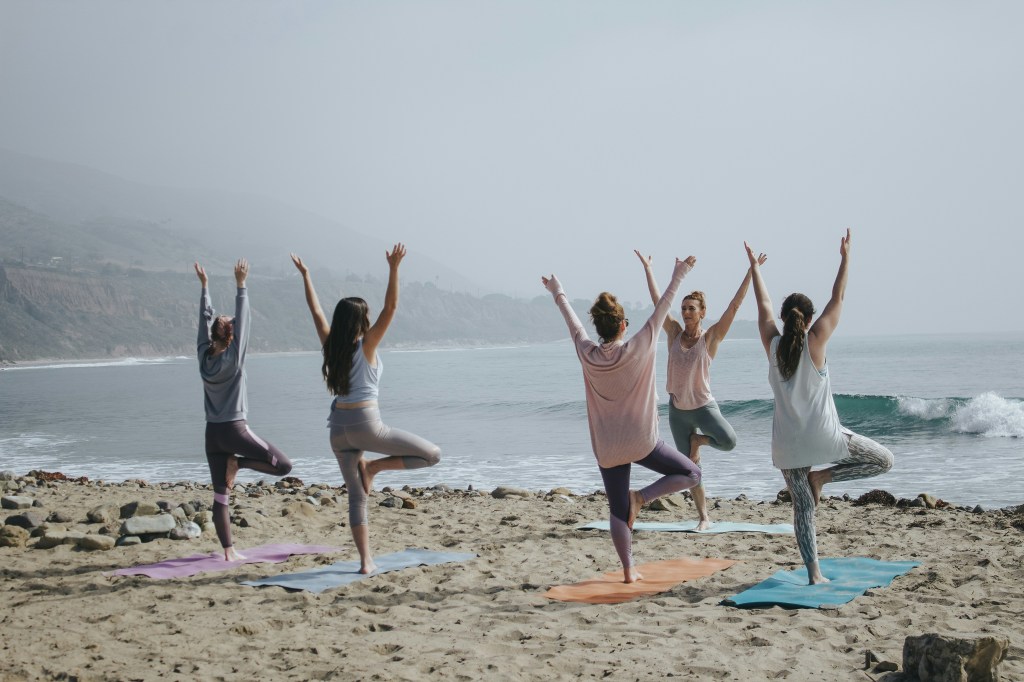
Hot yoga is a type of yoga practiced in a heated room, usually between 32–40°C. The heat and humidity can cause those taking part to sweat a lot. The heat is designed to promote deeper stretches and sweating by raising your core body temperature. Some hot yoga practices seek to replicate the heat and humidity of India where yoga originated.

We tried hot yoga recently and it is intense due to the added heat, which increases your heart rate and makes it more challenging to hold poses, compared to regular yoga practiced at room temperature, but you feel amazing afterwards. We always like to dig a little deeper into the new hobbies we take on. Below we’ve listed the incredible benefits from a hot yoga workout.

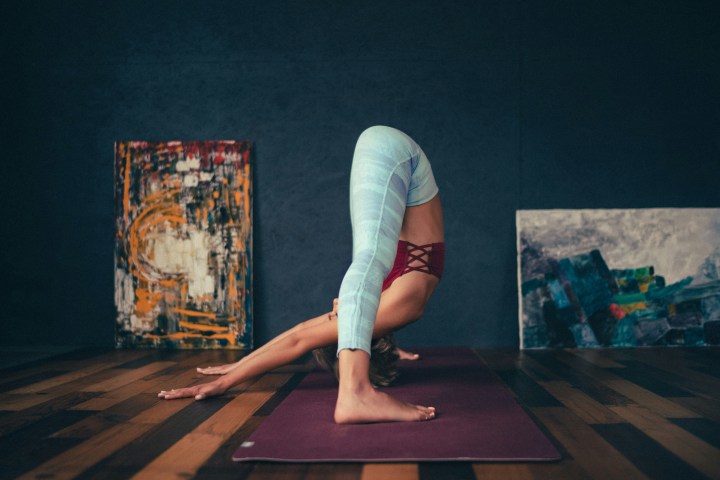
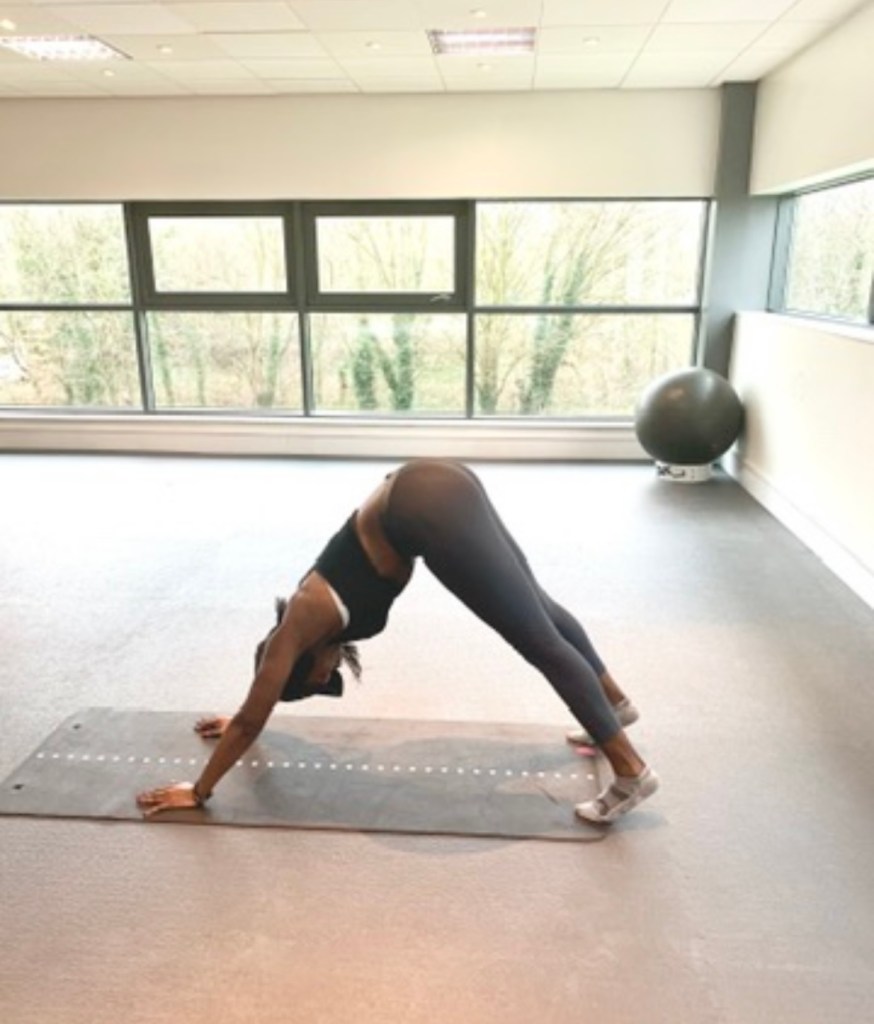
Flexibility: The heat can help muscles warm up, allowing for deeper poses, improves flexibility, balance and strengthens the muscles.

(Photo Credit: Carl-Barcelo)

Mental health: The heat helps with mental clarity and concentration, and can help relieve stress. Yoga, in general, can help reduce stress levels and reduces anxiety.

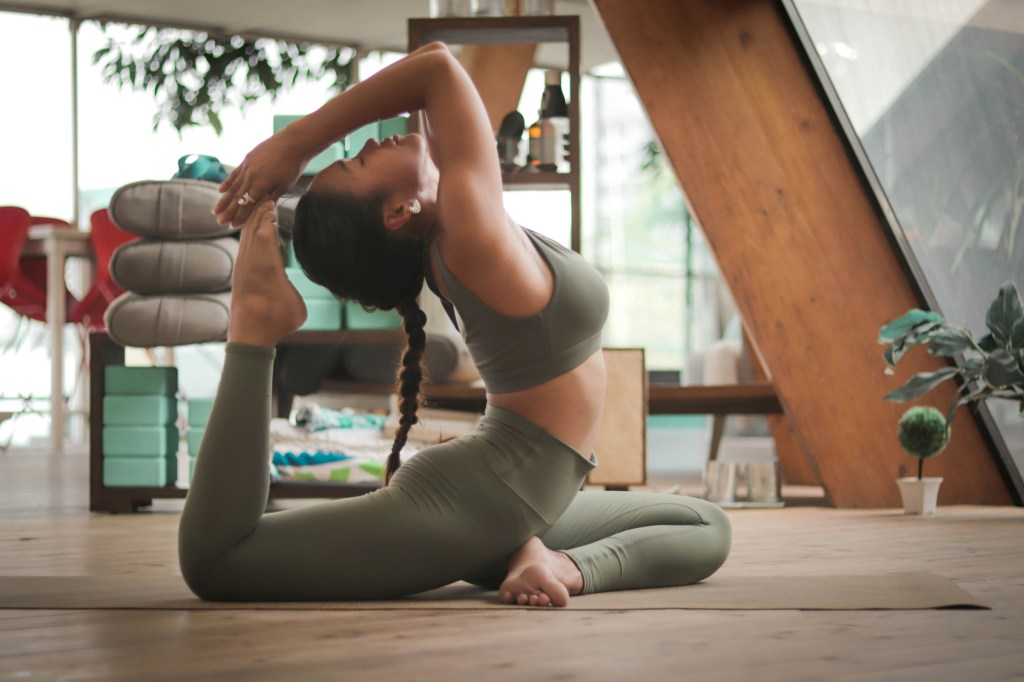
Cardio health: The heat can increase heart rate, which may help improve cardiovascular health and endurance. The high temperature in hot yoga can make it more intense than a traditional yoga class. It makes the heart, muscles, and lungs work harder and boosts metabolism.

(Photo Credit: Zen-Bear-Yoga)

Improves skin: Sweating can improve blood flow which helps deliver nutrients to the skin cells. The heat can increase circulation and help the skin glow.

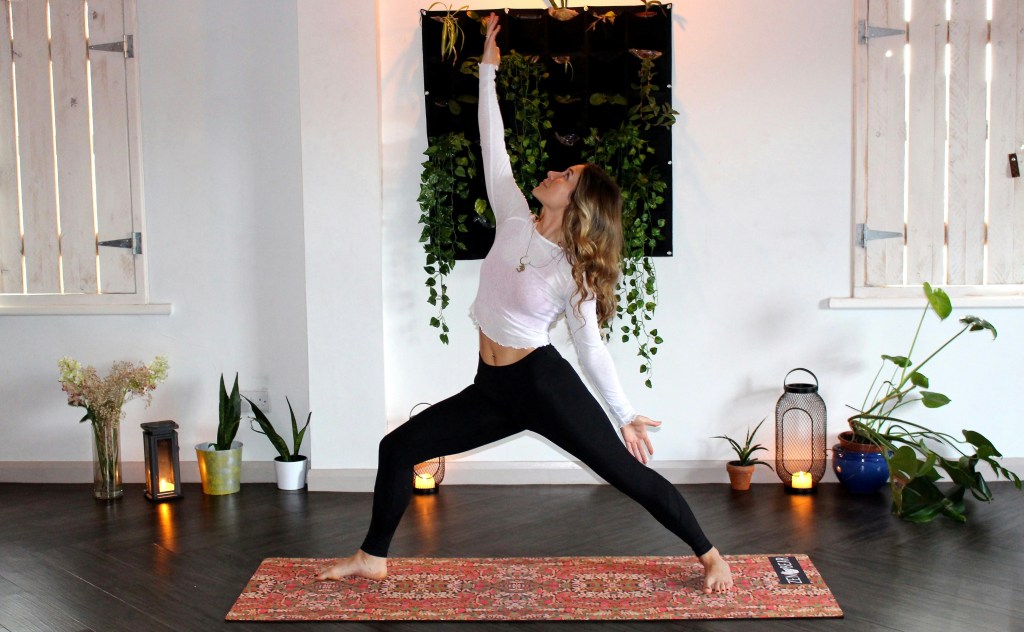
Burns more calories: The heat and the time a person holds challenging poses can help you burn more calories in hot yoga than in traditional yoga.

(Photo Credit: JD-Mason)

Always remember to keep a bottle of water nearby. Due to the high heat, it’s crucial to stay hydrated before, during, and after a hot yoga class. 

Shelley & Michelle xx

The Importance Of Self-Care

The Importance Of Self-Care

Self-care means taking the time to do things that help you live well and improve both your physical health and mental health. This can help you manage stress, lower your risk of illness, and increase your energy. Even small acts in your daily life can have a big impact. There are various forms of self-care. Take a look at a few tips below.

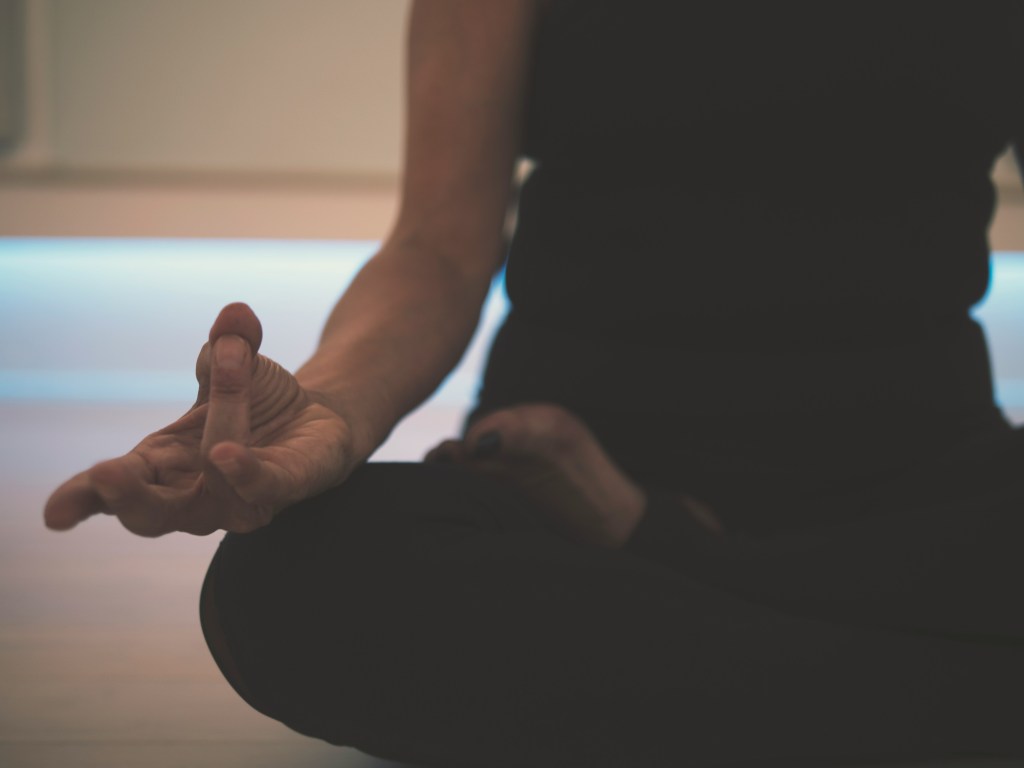
Try a relaxing activity: Explore relaxation, wellness programmes or apps, which may incorporate meditation, muscle relaxation, or breathing exercises. Schedule regular times for these and other healthy activities you enjoy, such as listening to music, reading, spending time in nature, and engaging in low-stress hobbies.

(Photo credit: Kaylee Garrett)

Set goals and priorities: Decide what must get done now and what can wait. Learn to say “no” to new tasks if you start to feel like you’re taking on too much. Try to appreciate what you have accomplished at the end of the day.

Practice gratitude: Remind yourself daily of things you are grateful for. Be specific. Write them down or replay them in your mind. Try to focus on positive things, and if that seems difficult at times, Identify and challenge the negative and unhelpful thoughts.

(Photo credit: Carli Jeen)

Regular exercise, eating healthy and staying hydrated: Of course we would include exercise! Just 30 minutes of walking every day can boost your mood and improve your health. Small amounts of exercise add up. A balanced diet and plenty of water can improve your mood, energy and focus throughout the day.

(Photo credit: Frank Holleman)

Surround yourself with positive people: Choose to spend time with people who make you feel good, that have great energy, and learn to love yourself!

(Photo credit: Annie-Spratt)

Shelley & Michelle xx

The importance of warming up and cooling down

The importance of warming up and cooling down

Warming up and cooling down plays such an important role in your fitness routine, and may offer help in reducing the risk of injury and improving your athletic performance. Before you jump on the treadmill or lift those weights, do a short warm up first. And try following your workout with a quick cool down session. A warm up and cool down may add a few minutes to your exercise routine. But might also lower stress on the heart and other muscles.

Why you should warm up and cool down: Warm ups and cool downs generally mean doing your activity at a slower pace and lowered intensity. It helps get the body ready for aerobic activity. A warm up literally does what it says on the tin! It’s intended to prepare the body for the physical activity you are about to complete. This might be a gym session, cardio exercise, a sports training session or a competitive match. A warm up should always include some low-intensity aerobic exercise and stretching. To prepare your body for exercise a warm up should last from 5-10 minutes.

The cool down after your workout is all about lowering the body temperature and heart rate back to normal. A cool down will normally include very light aerobic activity and stretching. It will help the muscles to further relax and return back to their normal range of movement.

(Photo Credit: Luemen Rutkowski)

How to warm up and cool down: Warm up right before you workout. Focus on large muscle groups, such as the hamstrings. Then you can do exercises more specific to your sport or activity. Start at a low, slow pace that slowly builds in speed and intensity. A warmup may cause a little sweat, but generally won’t leave you tired.

(Photo Credit: Liveology Yoga Magazine)

Cooling down is similar to warming up. You generally keep doing your workout session for five minutes or so. But you go at a slower pace and lower intensity. Always cool down straight after your workout

Finding time for regular aerobic workouts plus warming up and cooling down can be hard. But with a little creativity, you can probably fit it all in. For example, you can walk to and from the gym for your warm up and cool down…depending on how far your gym is of course!

Shelley & Michelle xx
5 benefits of weight training

5 benefits of weight training

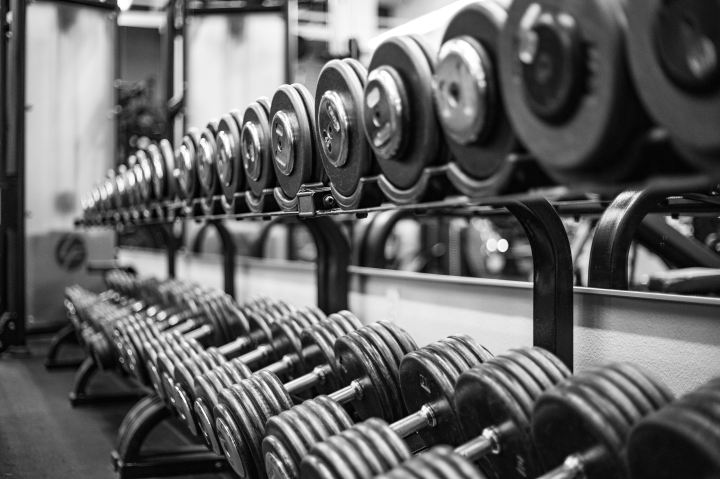
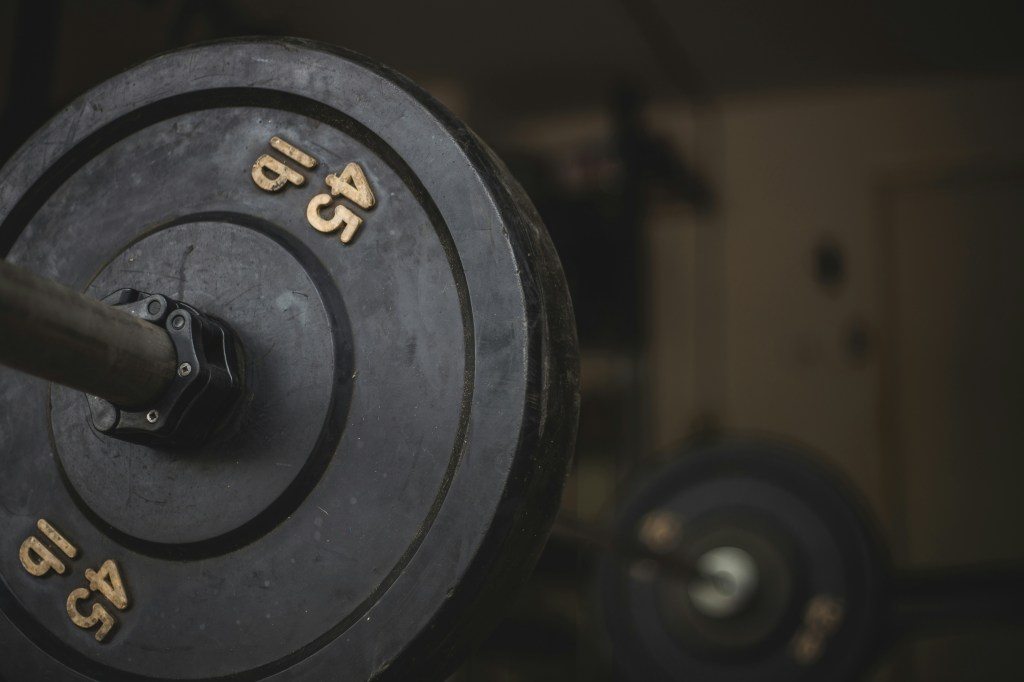
If you want to improve your health It is said that weight training is a way to achieve this. It involves using one or more muscle groups. Weight training is also known as strength training, resistance training, and muscular training. The definition of strength training is any physical movement in which you use your body weight such as, lifting weights, dumbbells, resistance bands or circuit training. This builds muscle mass, strength and endurance.

Makes you stronger: Strength training helps you become stronger. It helps improve performance in sports that require speed, power, and strength. Gaining strength allows you to perform everyday tasks much easier, such as carrying heavy shopping bags or running / walking up a flight of stairs.

Makes your bones stronger: Weight-bearing exercises put temporary stress on your bones, sending a message to bone-building cells to take action and rebuild bones stronger. Having strong bones reduces your risk of osteoporosis, fractures, and falls, especially as you age. The great news is, you can reap the bone-strengthening benefits of strength training at any age.

Improves your mood: It is said that regular weight training may boost your mood and improve your mental health such as reduce anxiety. The great thing about exercise is that it releases endorphins, which can put you in a great and positive mood.

(Photo credit: Delaney-Van)

Can help you appear leaner: When building more muscle and losing fat, you will appear leaner. Losing body fat and building stronger and larger muscles will achieve more muscle definition, creating a stronger and leaner appearance.

(Photo credit: Alexandra Tran)

Boosts your self-esteem: Strength training can add a boost to your self-confidence. It helps you overcome challenges, work towards a goal, and appreciate your body’s strength. It can increase your self-efficacy, the belief that you’re able to succeed at or perform a task which can improve your confidence.

Shelley & Michelle xx
EIGHT REASONS TO STRETCH BEFORE AND AFTER EXERCISE

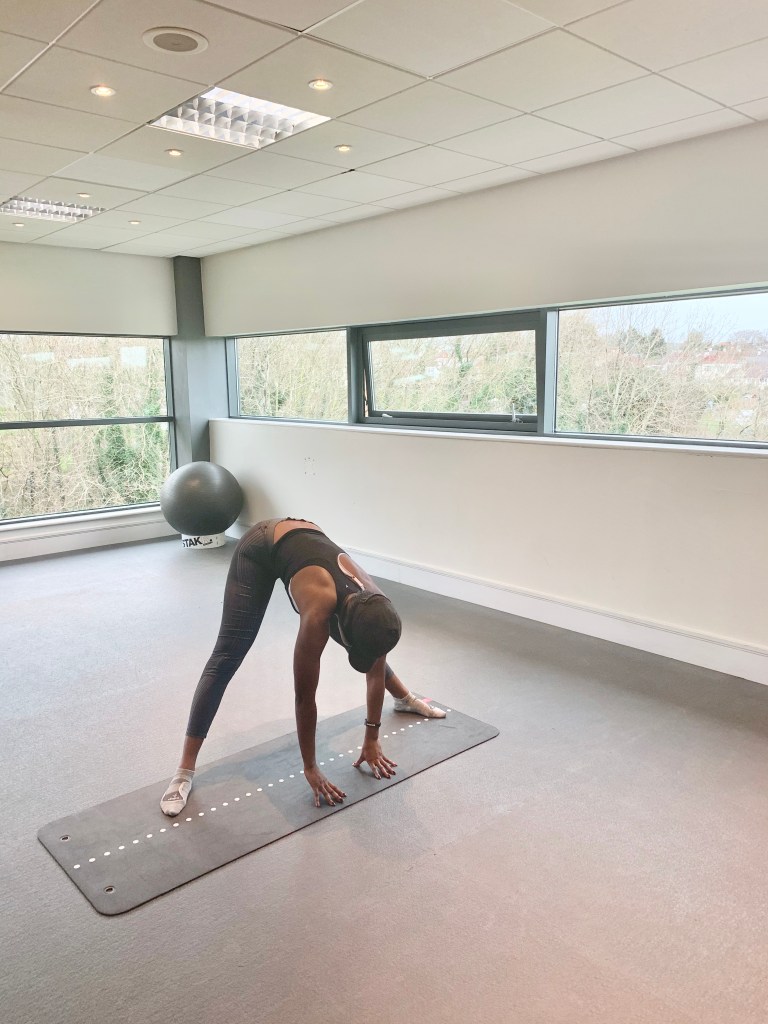
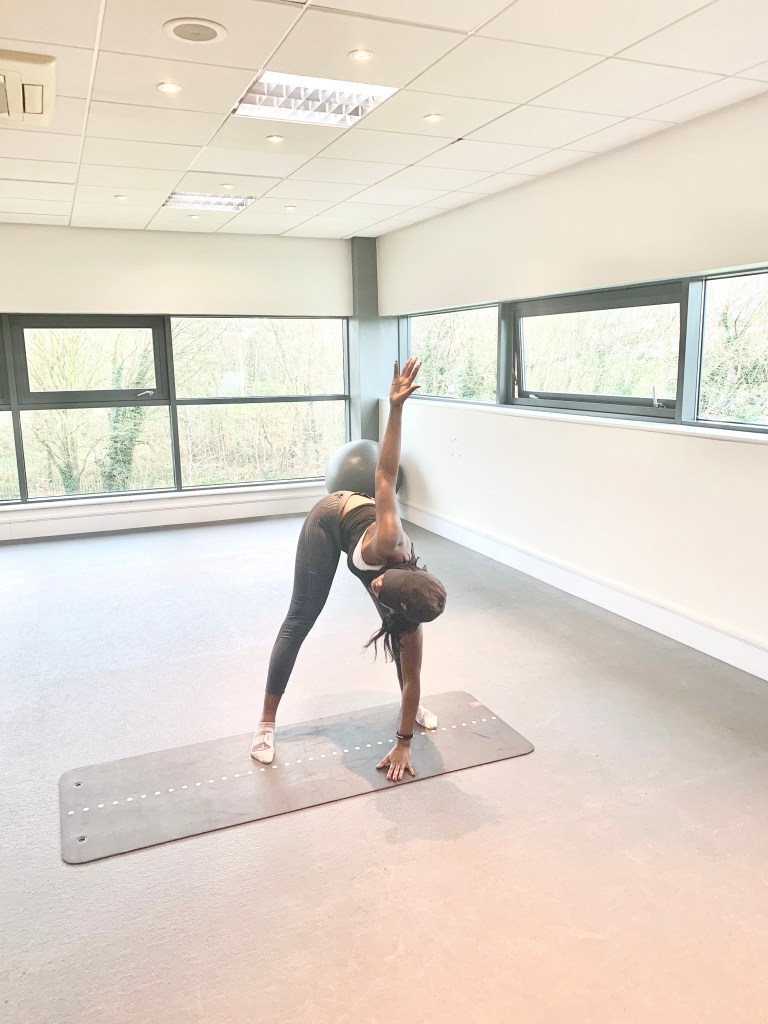
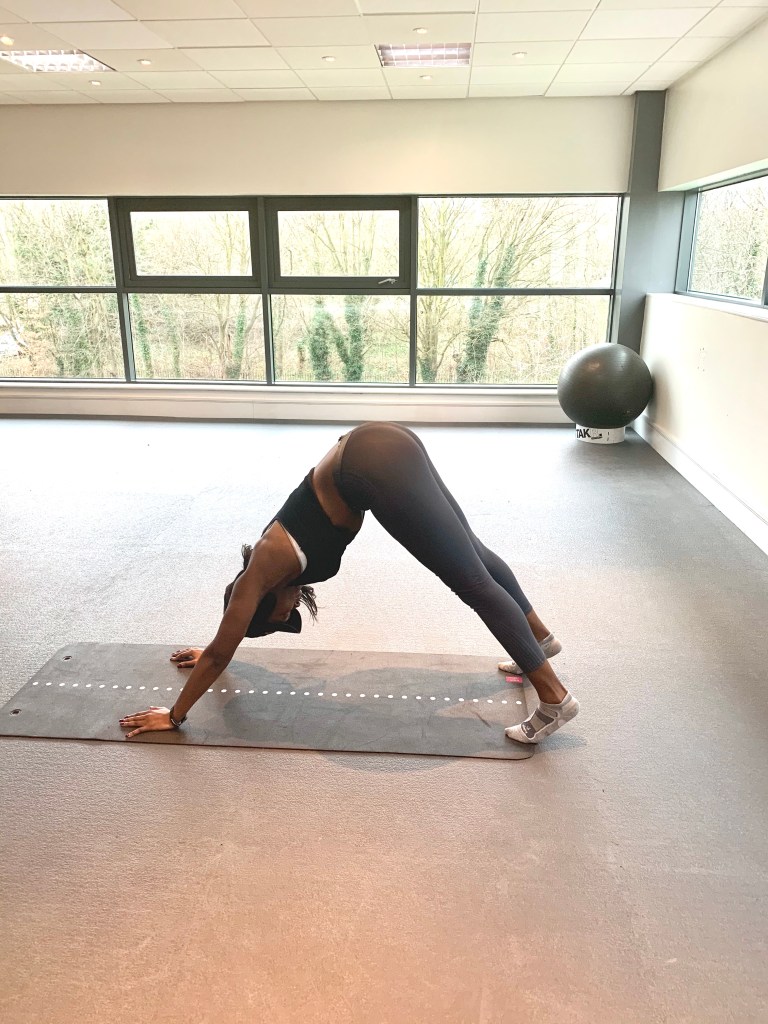
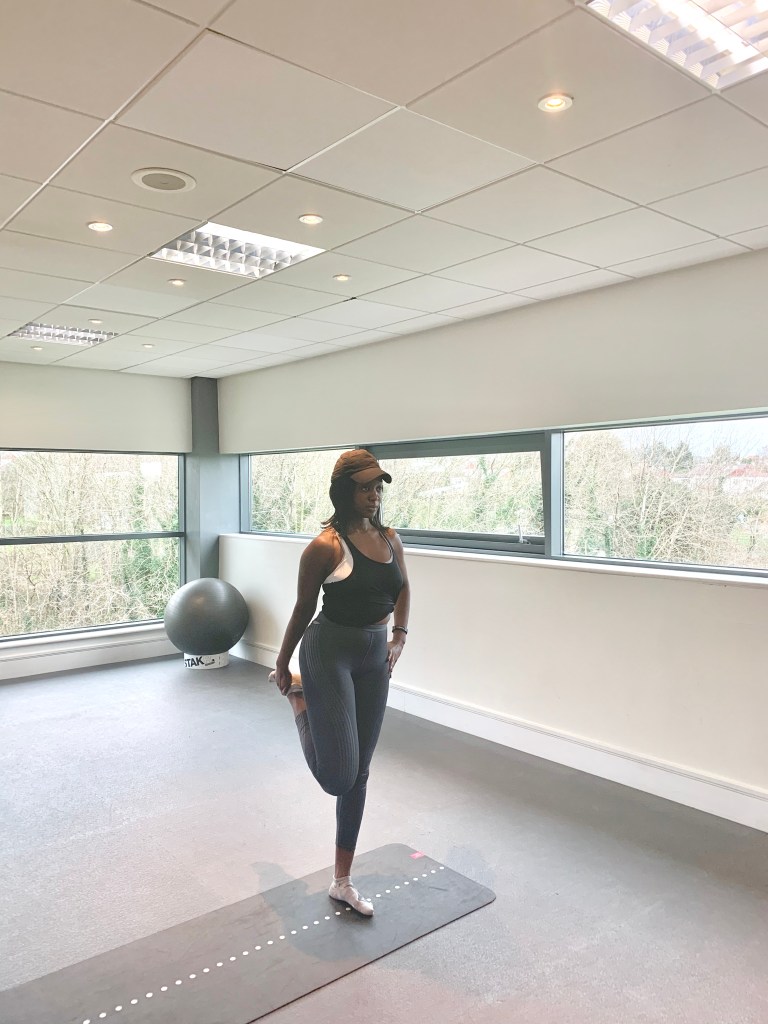
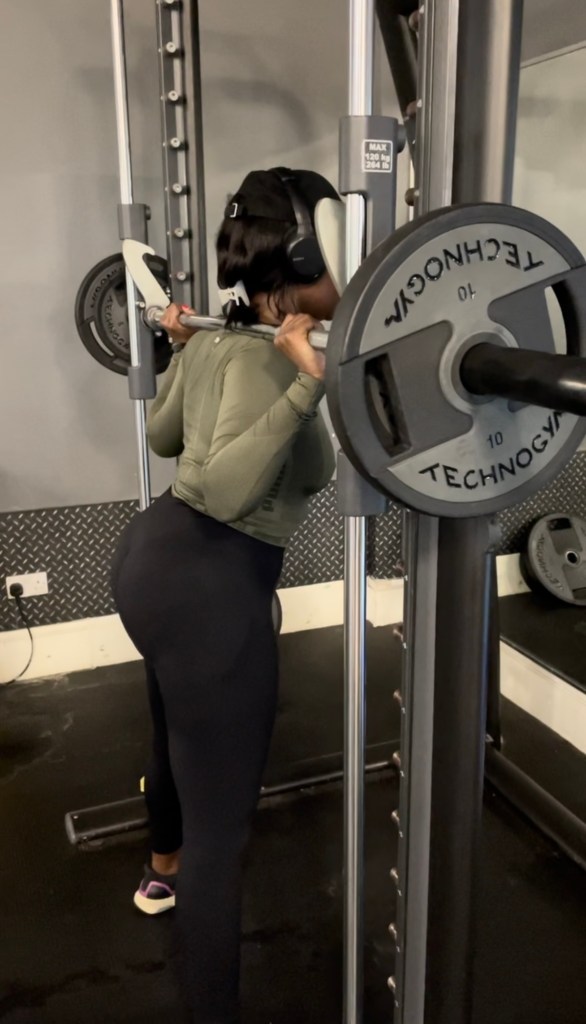
Whilst working out over the years we’ve noticed there are people that don’t stretch before or after working out. This is one of the worst things you can do when exercising as it can result in muscle tear and injury.

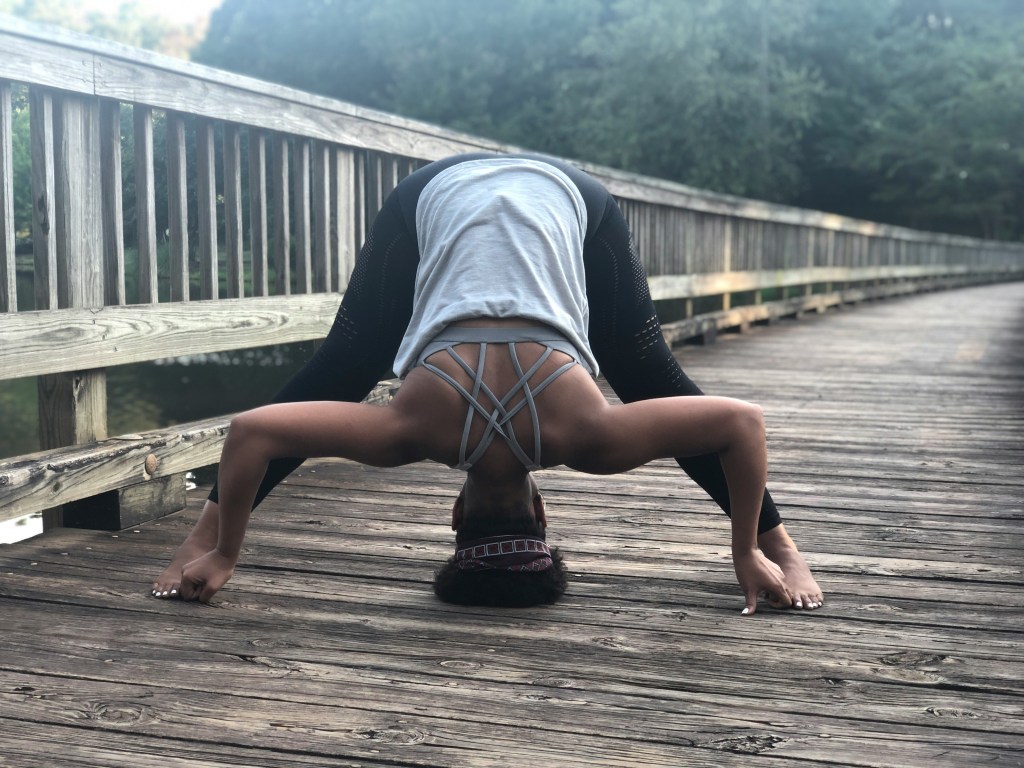
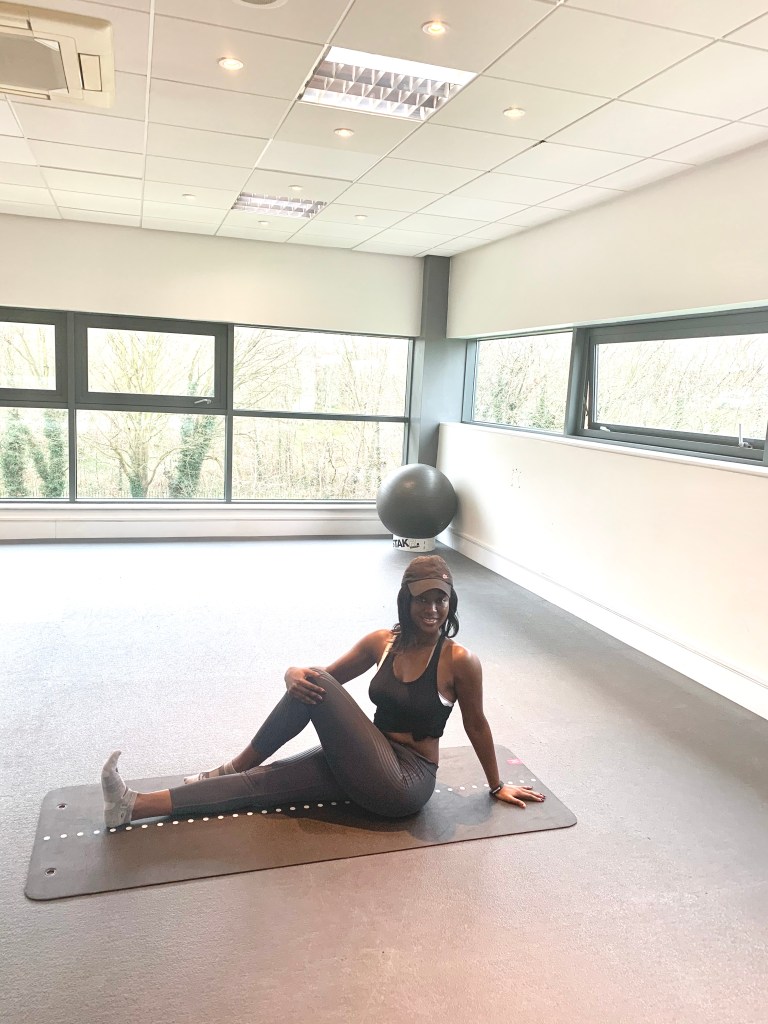
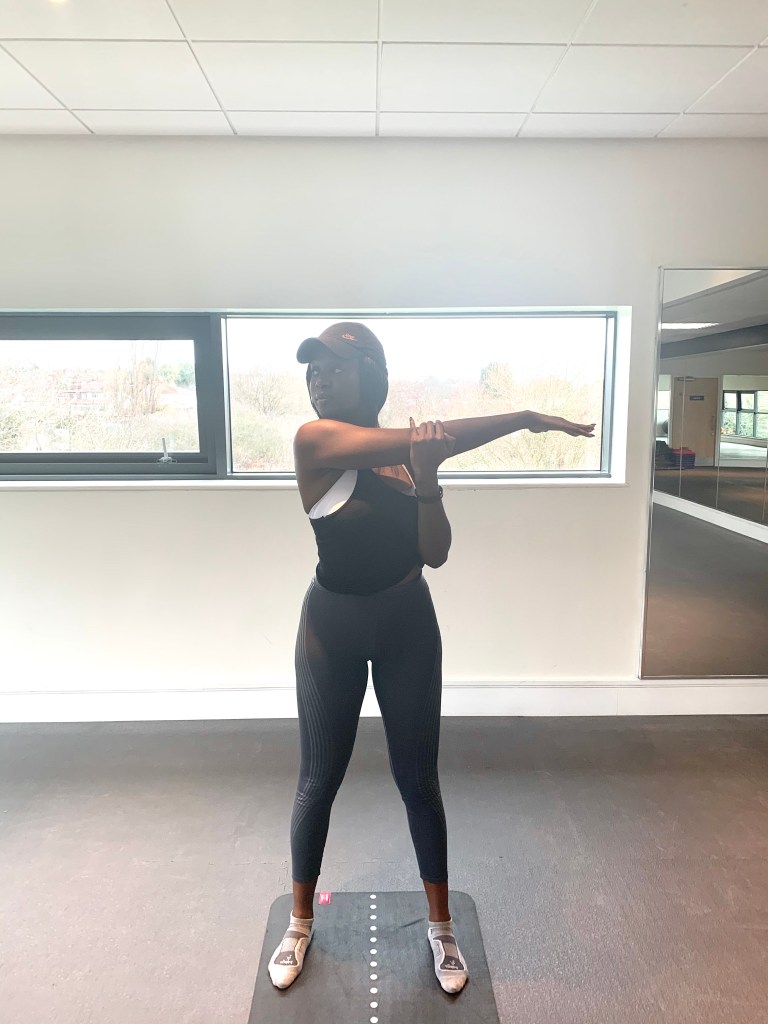
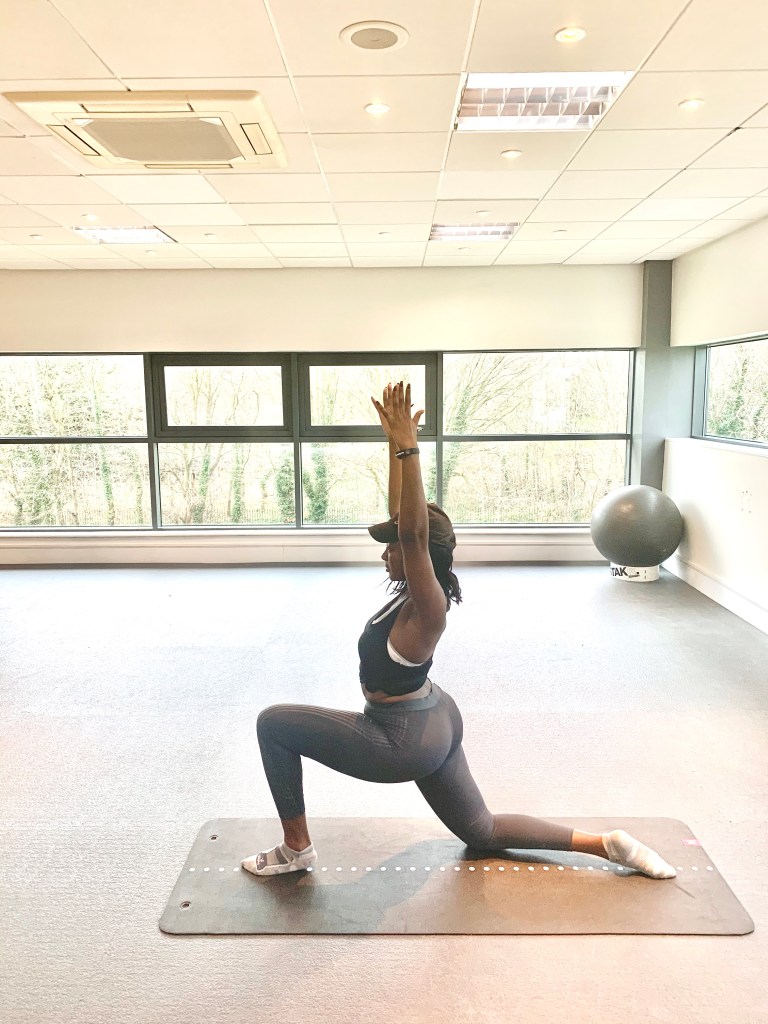
Stretching should be an essential part of your every day workout. Below we have listed reasons why you should always take the time to stretch.

1. Stretching before exercise allows your muscles to loosen and prepares your body to take on the impact of exercise you have chosen to do.

2. Your muscles are less likely to become injured by sudden movement when undergoing an activity. Whilst stretching you reduce the risk of injury.

3. After working out, stretching your muscles helps loosen the tightness effect that can lead to post-workout aches and pains.

4. Stretching actually improves your posture. When you stretch the shoulders, lower back and chest it helps keep your back in alignment which will improve your posture.

5. Tense muscles can cut off circulation which can result in a lack of oxygen and essential nutrients. Stretching allows your muscles to relax and increases blood supply to your muscles and joints.

6. Stretching reduces and manages stress. Well-stretched muscles hold less tension and can help you feel less stressed.

7. Regular stretching routines can help prevent future back pain by strengthening your back muscles and reducing the risk of muscle strain.

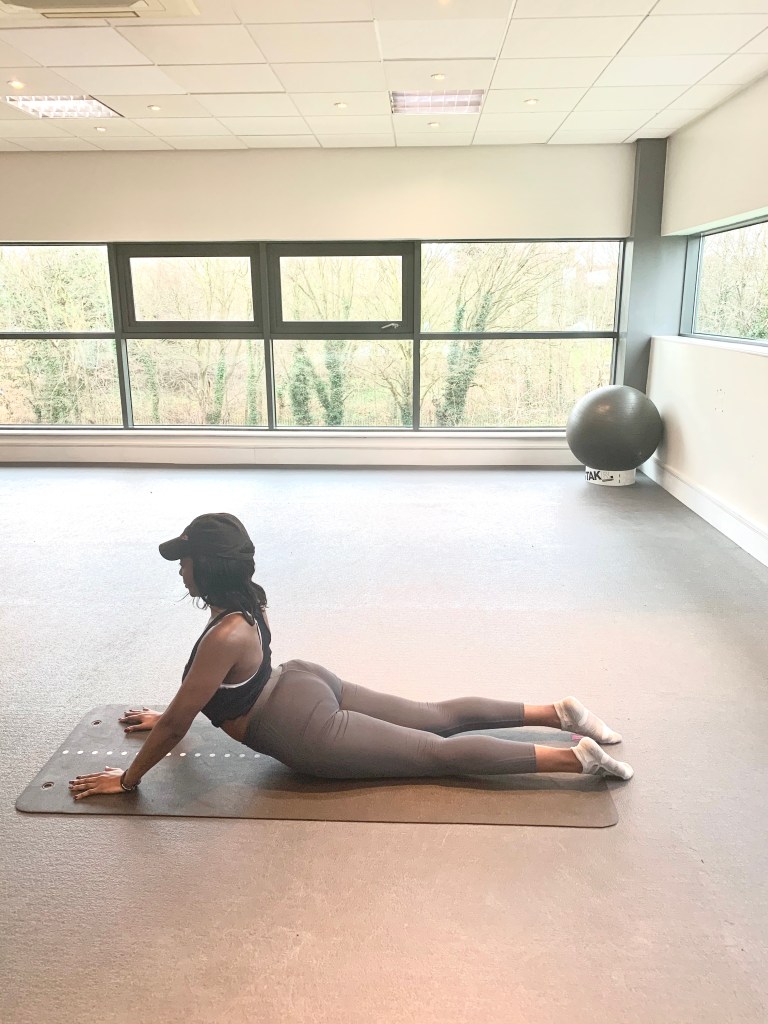
8. Stretching not only increases flexibility, but can also calm the mind. When stretching focus on mindfulness and meditation exercises which is done during yoga and pilates.

You can follow us on Twitter here

Shelley & Michelle xx
OUR GO TO GYM WORKOUTS

Exercise is great for your health and fitness and is also a good way to clear the mind. If you make new year resolutions and one goal of yours is to keep fit and healthy, then to stick to it is to not be in the gym from January 1st and give up by March. The best thing is to wean yourself into working out slowly and mix up your workouts so you don’t get bored. It’s always great to push yourself. So if you start by going to the gym once a week, the next week try twice a week, then three times a week and see how you get on.

Below are a few of our favourite gym workouts. We hope you enjoy and Happy New Year!

Boxing

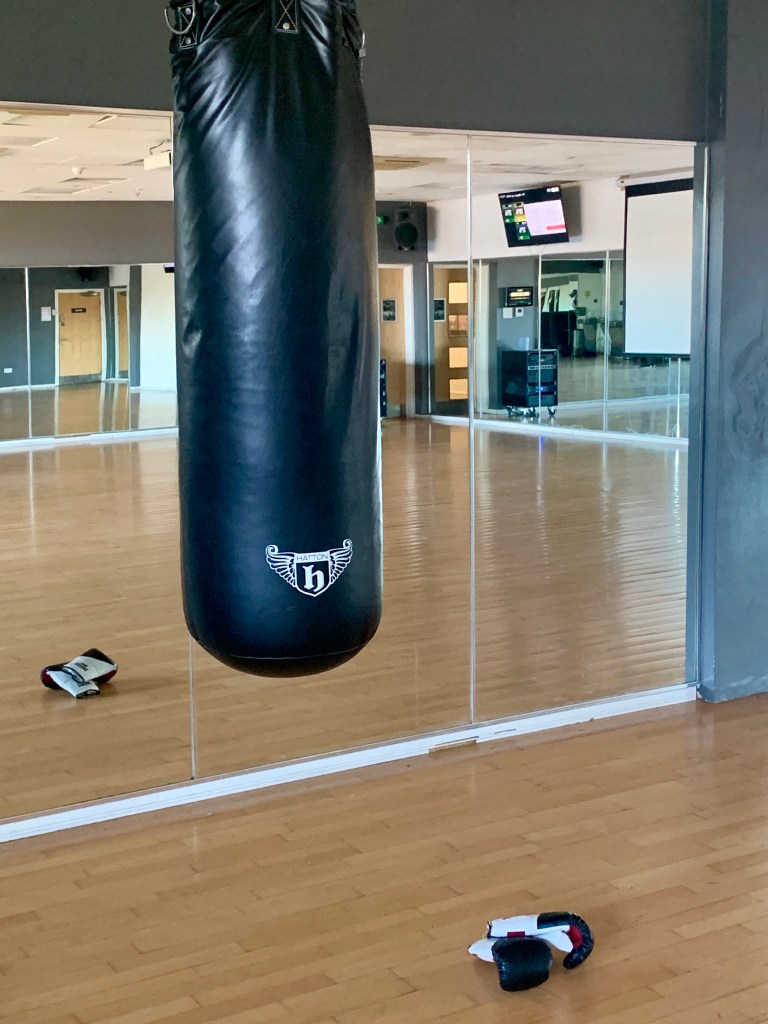
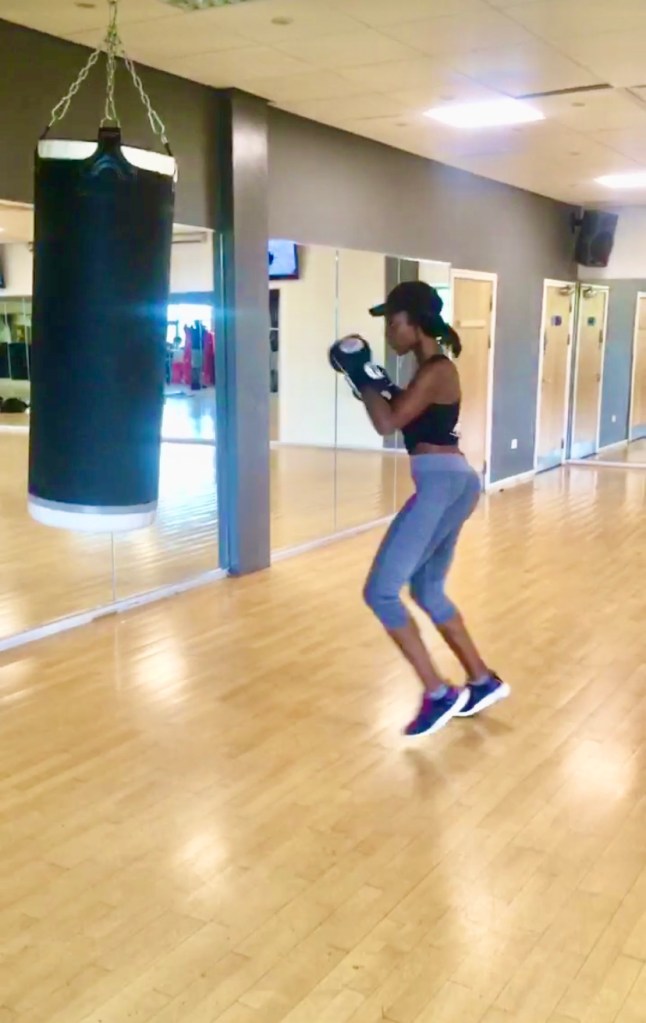
If you want to have fun whilst working out and change up your routine then boxing is the one for you. Boxing requires strength, endurance and power. Boxing isn’t just for the hard-core athletes, it’s a great way to strengthen and tone the entire body.

Running Machine

Running outside or on a running machine is a good way to strengthen and tone your legs and glutes. If running is too much for you then begin walking, jogging and gradually start to run.

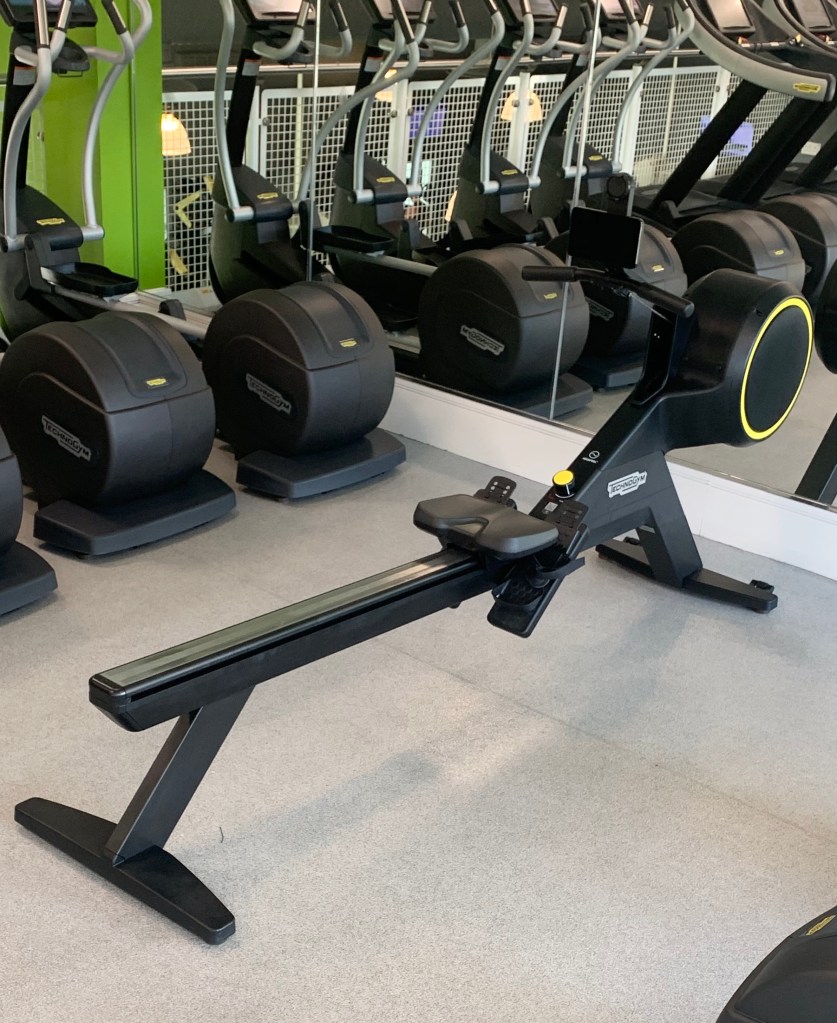
Seated Cable Row Machine

The Seated Cable Row develops the muscles of the back and the forearms. It is an excellent all-around exercise for developing mainly the middle back while offering useful arm work as well.

Air Walker Machine

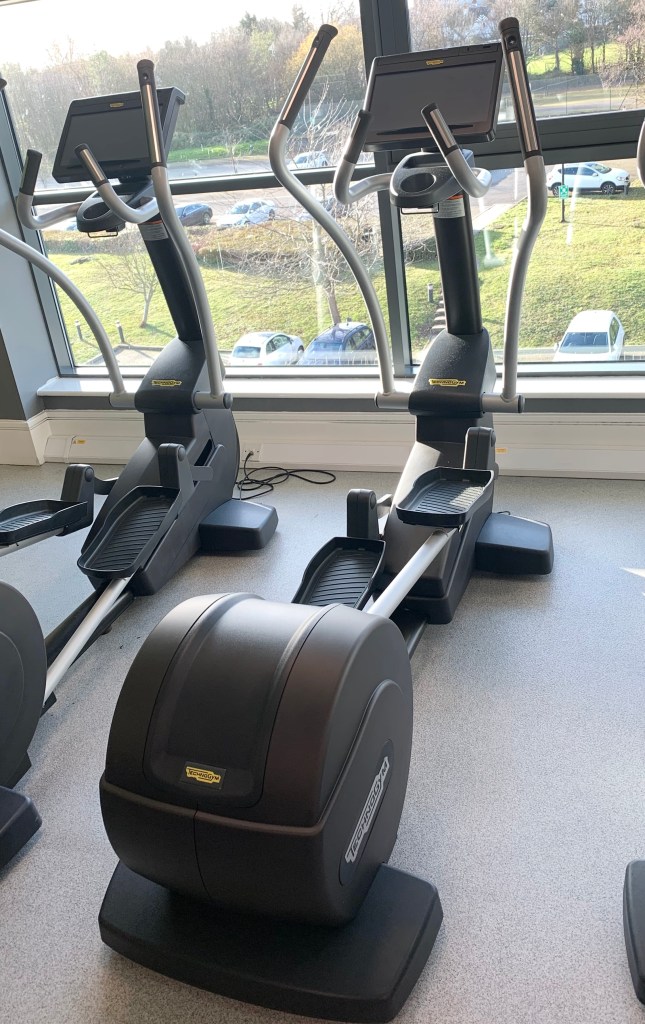
The Air Walker Machine provides a total body, calorie-burning workout that is low-impact and is a great aerobic exercise. The machine is an alternative to walking or jogging. This form of low-impact aerobic exercise can burn a surprising amount of calories.

Skipping

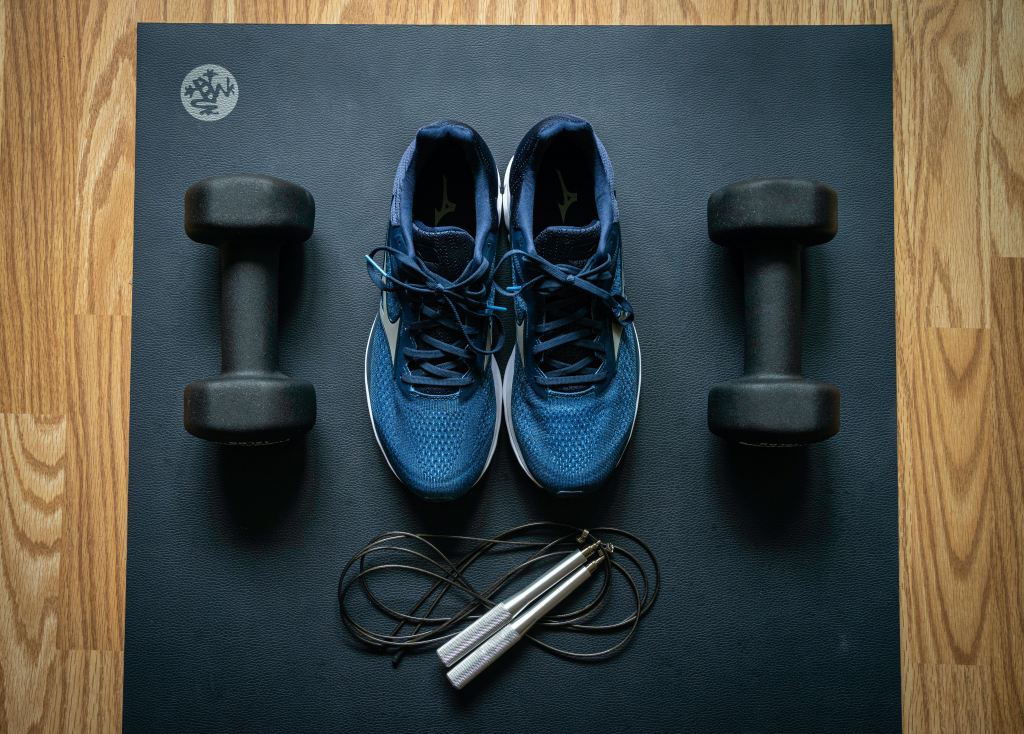
Who would have thought that a skipping rope had so much benefits. Skipping is simple, easy and a whole lot of fun, plus you get to burn a lot of calories while doing so. It’s one of the best ways to shed fat as well as improving your heart rate and building stamina.

Exercise Ball

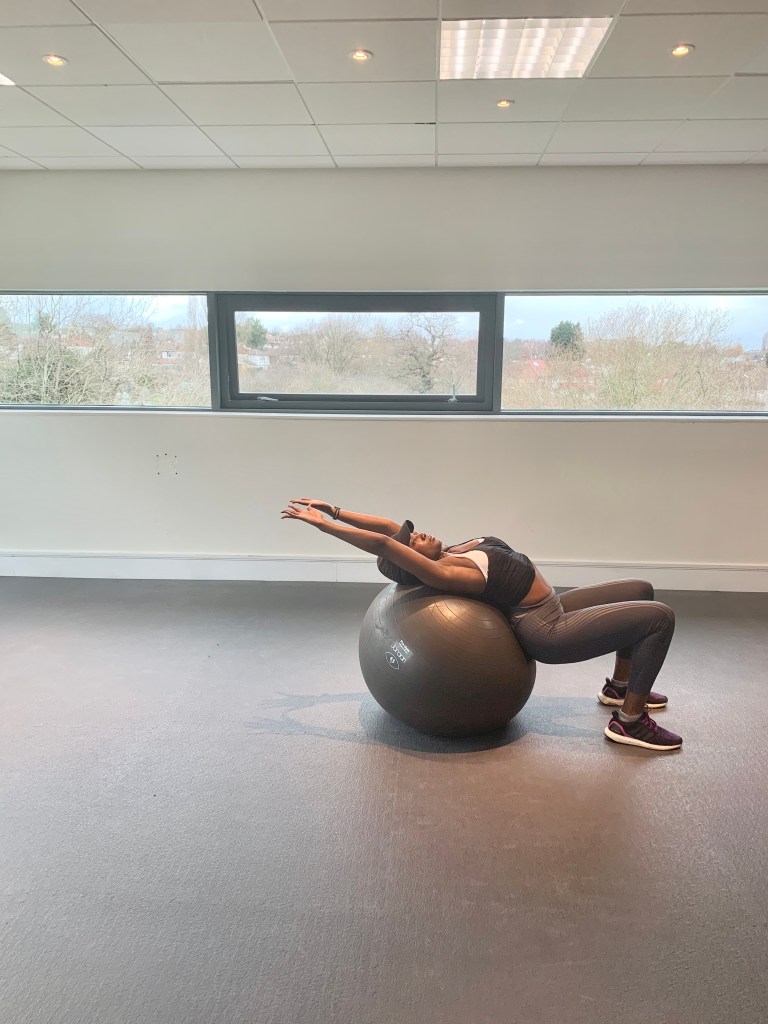
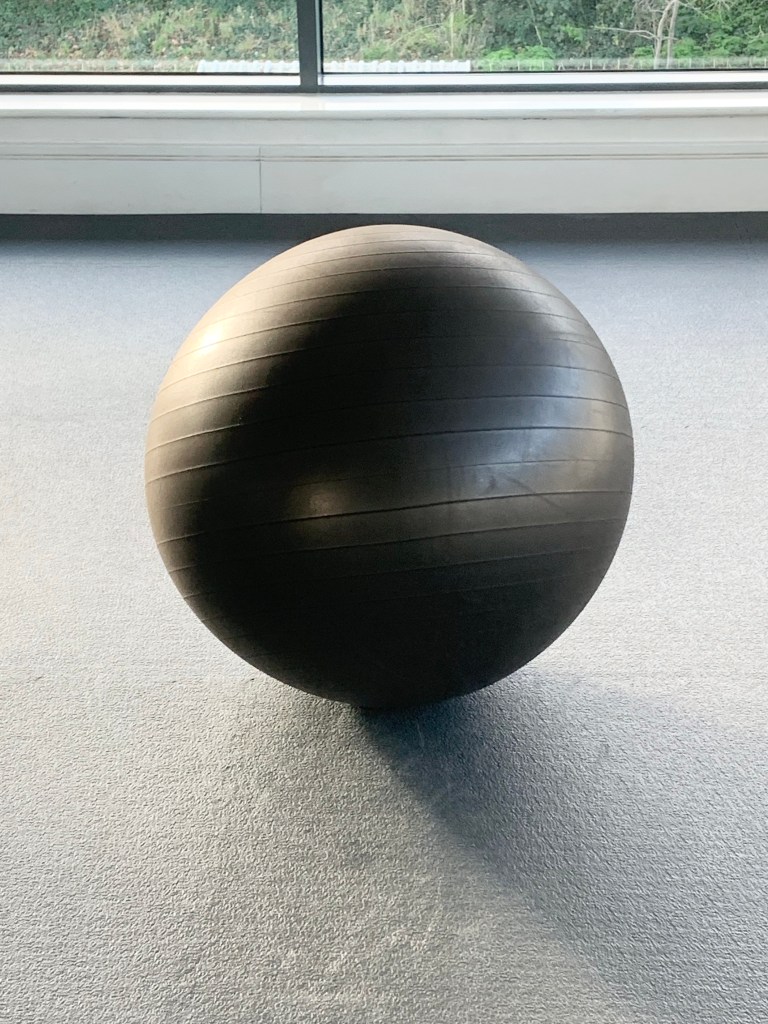
There’s nothing quite like stretching your spine on an exercise ball after a strenuous work out. The benefits of using an exercise ball is to improve back and spine health, core stability, posture and muscle balance. Training with an exercise ball, whether during Pilates, yoga or simple stretching is an excellent way to work your abdominal, back and lower-back muscles.

You can follow us on Twitter here

Shelley & Michelle xx
Our Favourite Three Workouts

We enjoy working out, it’s part our weekly routine lol. It can be difficult trying to squeeze in a workout whilst balancing a busy lifestyle, but we’ve realised after exercising you never say to yourself ‘I wish I didn’t work out today’. Exercising clears the mind, makes you feel more energised as well as feeling fit. Working out 2-3 times a week for us is ideal, as we don’t like to overdo our workouts.

It’s always good to mix up your workout routine. We like to work up a sweat and enjoy high intensity cardio workouts for e.g. Spin and Legs, Bums and Tums (LBT). There is nothing quite like taking part in a high energy exercise class and getting those endorphin’s flowing, its a feel good factor. We do love a good stretch though. You find after a strenuous work out your muscles can tighten up. Always stretch before and after working out. Yoga or Pilates is a great way to stretch. Pilates not only relaxes the body but also relaxes the mind. Below we have put together the health benefits from our favourite three workouts.

SPIN

The benefits from spin are mind blowing. Spin is a great way to burn calories, they say you can burn at least 500 to 700 calories from a single spinning class. Not only is Spin a good exercise to help tone and lose weight its a great stress reliever. Having a great instructor who motivates you whilst playing the best tunes helps. Spin is a good way of keeping your heart healthy, your heart is the most important muscle in your body so keeping the heart in tip top condition is key.

 LBT

You can’t go wrong with Legs, Bums & Tums which concentrates on giving you that full body aerobic and toning workout. This class has a variety of workouts such as squats, lunges, hamstring curls, planks, crunches, curl-ups and many more. LBT has been a go to exercise class since the early 90’s and is still going strong. You can burn around 250-400 calories in just one class and is great for toning and tightening. LBT increases your stamina and endurance, builds strength increases energy levels as well as increasing your flexibility and mobility.

PILATES

If you want to improve your physical strength and flexibility. Then you will find Pilates is the workout for you. This form of exercise improves posture, balance, muscle tone and joint mobility. Pilates is great for the relief of stress and tension and focuses on strengthening your core. Pilates helps with the balance between your mind and body and gives you a sense of well-being. This exercise is beneficial if you suffer from lower back pain.


You can follow Shelley on Instagram here
You can follow Michelle on Twitter  here

Shelley & Michelle xx