5 Hot Yoga Benefits For A Healthier Mind And Body

5 Hot Yoga Benefits For A Healthier Mind And Body

Hot yoga is a type of yoga practiced in a heated room, usually between 32–40°C. The heat and humidity can cause those taking part to sweat a lot. The heat is designed to promote deeper stretches and sweating by raising your core body temperature. Some hot yoga practices seek to replicate the heat and humidity of India where yoga originated.

We tried hot yoga recently and it is intense due to the added heat, which increases your heart rate and makes it more challenging to hold poses, compared to regular yoga practiced at room temperature, but you feel amazing afterwards. We always like to dig a little deeper into the new hobbies we take on. Below we’ve listed the incredible benefits from a hot yoga workout.

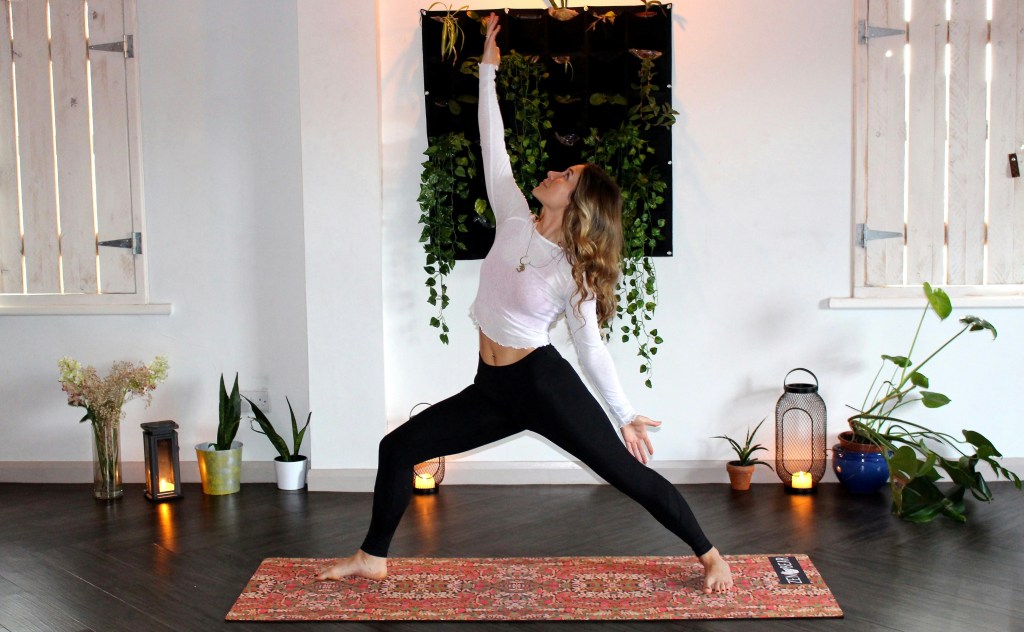
Flexibility: The heat can help muscles warm up, allowing for deeper poses, improves flexibility, balance and strengthens the muscles.

(Photo Credit: Carl-Barcelo)

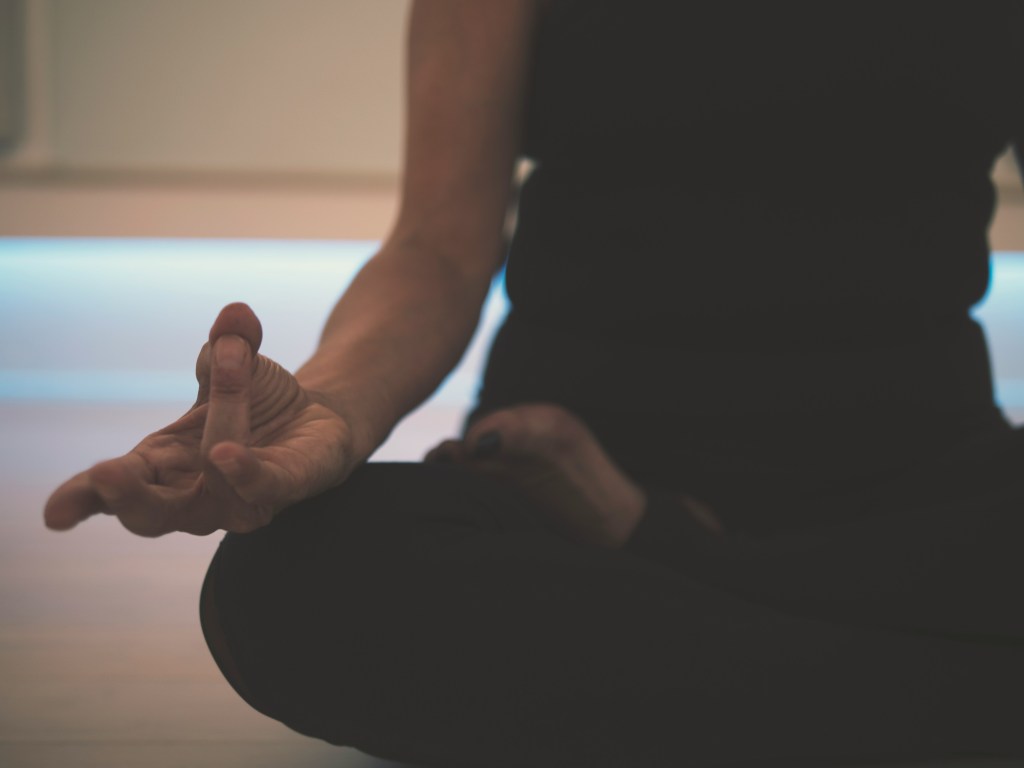
Mental health: The heat helps with mental clarity and concentration, and can help relieve stress. Yoga, in general, can help reduce stress levels and reduces anxiety.

Cardio health: The heat can increase heart rate, which may help improve cardiovascular health and endurance. The high temperature in hot yoga can make it more intense than a traditional yoga class. It makes the heart, muscles, and lungs work harder and boosts metabolism.
(Photo Credit: Zen-Bear-Yoga)

Improves skin: Sweating can improve blood flow which helps deliver nutrients to the skin cells. The heat can increase circulation and help the skin glow.

Burns more calories: The heat and the time a person holds challenging poses can help you burn more calories in hot yoga than in traditional yoga.
(Photo Credit: JD-Mason)

Always remember to keep a bottle of water nearby. Due to the high heat, it’s crucial to stay hydrated before, during, and after a hot yoga class. 

Shelley & Michelle xx
The Power Of Sound Baths

The Power Of Sound Baths

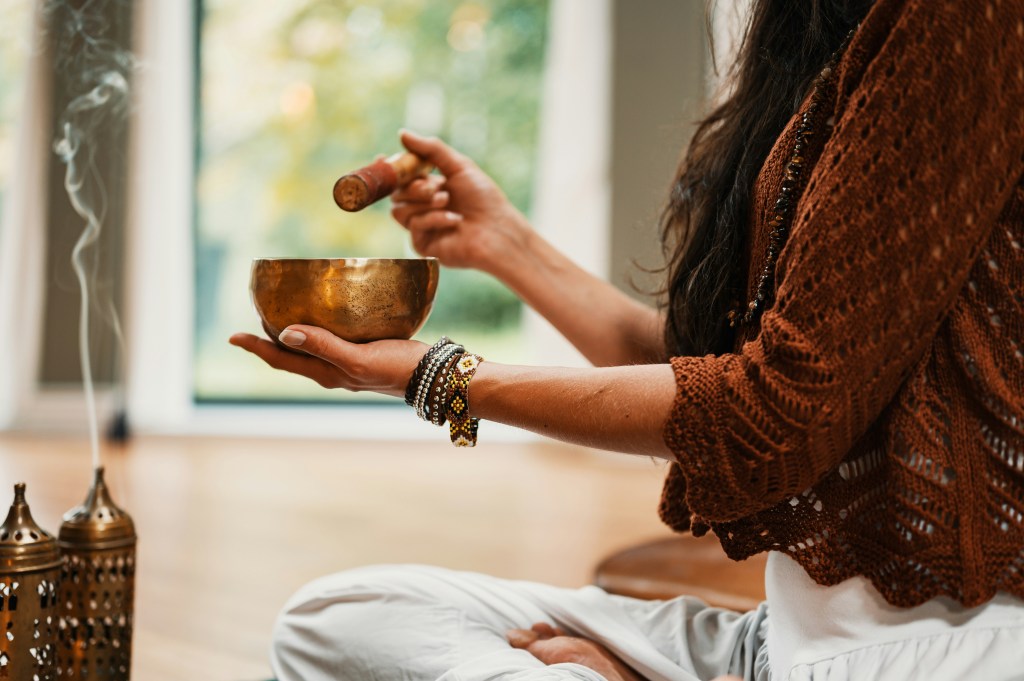
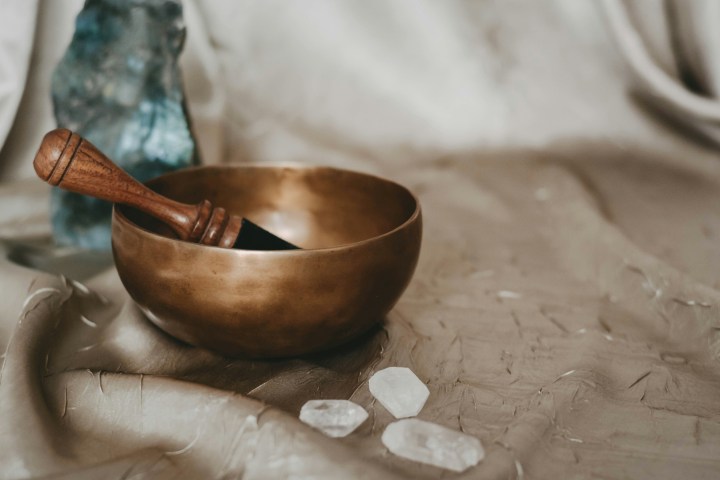
We meditate often and have recently taken our much-needed zen time more deeper with sound baths. The practice of healing bodies through sound is technically thousands of years old with deep roots in cultures across the world. A sound bath is a meditative experience where those who attend a session are “bathed” in sound waves. These waves are produced by various sources, including healing instruments such as gongs, singing bowls, percussion, chimes, rattles, tuning forks, and even the human voice itself.

(Photo credit: Magic-Bowls)

This “spiritual, cleansing music” varies according to place and culture, but it can be as simple as chanting an om following your yoga session or as complex as an hour-long experience in a dedicated space with a sound practitioner.

(Photo credit: Susanna-Marsiglia)

During the sound bath, you often lie on your back and get as comfortable as possible, with a pillow and blanket wrapped over you making the experience as cosy and relaxed as can be.

The different frequencies emitted by gongs, chimes and Tibetan bowls work to soothe the mind and heal the body, stimulating the brainwave frequencies associated with total relaxation and switching on the nervous system’s repair mode.

(Photo credit: Julio-Lopez)

This ancient practice has numerous physical and mental health benefits too, including better sleep, improved mood, reduced stress and unblocking chakras. Chakras are centers of spiritual energy or power, a concept that comes from Hinduism. It may also help treat conditions, such as depression and anxiety.

(Photo credit: Conscious-Design)

After a sound bath, you may be advised to move slowly when transitioning to a seated position. Other advice after a sound bath ends can include staying hydrated, getting rest, and staying relaxed.

(Photo credit: Frames-For-Your-heart)

There are many locations in the UK and around the world that do sound bath sessions. Or if you prefer to take part in the comfort of your own home, you can always listen to a sound bath recording on YouTube, or there are a number of sound bath apps which you can download.

Shelley & Michelle xx

Ginger, the ultimate winter spice

Ginger, the ultimate winter spice

As we are now into the colder months, we are more prone to catching colds, and of course want to keep those germs at bay. It’s important that our immune systems are given that extra boost and ginger does just that, it is the spice that holds many benefits.

Ginger is one of the first spices to have been exported from Asia, arriving in Europe  with the spice trade, and was used by ancient Greeks and Romans. Ginger has also been used in traditional medicine in China, India and Japan for centuries.

(Photo credit: Conscious-Design)

Boosts Immunity: Loaded with antioxidants, ginger strengthens the immune system, helping to keep off seasonal illnesses like colds and flu that often takes over our bodies in winter.

Blood Circulation: Ginger promotes better blood circulation, which is crucial during winter and as we tend to feel colder. Improved circulation helps maintain warmth throughout the body.

(Photo credit: Bluebird-Provisions)

Helps the digestive system: Ginger is said to be a trusted remedy for digestive issues. Its soothing properties help alleviate nausea, indigestion, and bloating.

Respiratory Support: The warming effect of ginger helps clear congestion and soothes respiratory discomfort. Ginger tea with honey can offer relief from coughs and sore throats, providing comfort during cold weather.

(Photo credit: Hilary-Hahn-Lc)

Pregnancy: Ginger can help with morning sickness, nausea, and vomiting. 

Arthritis and joint pain: Antioxidants and other nutrients in ginger root may help prevent or treat arthritis, inflammation, and various types of infection. Ginger is also said to help relieve joint pain.

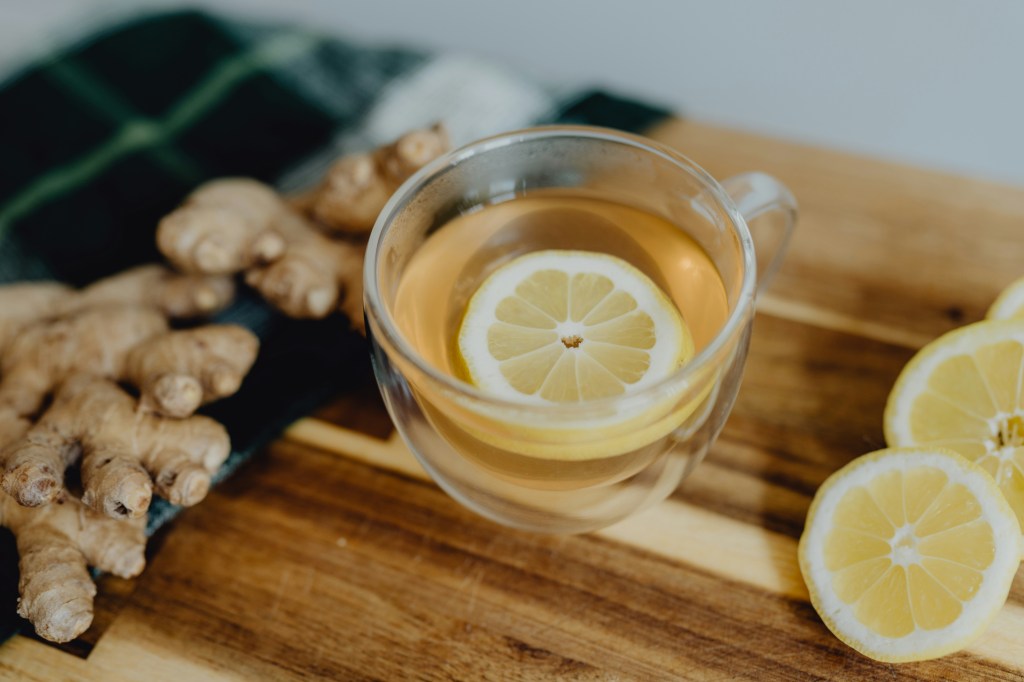
Ways to Incorporate Ginger into your diet: Ginger Tea – Brew fresh ginger slices in hot water, add a squeeze of lemon and honey for a soothing and warming tea.

(Photo credit: J-A-Uppendahl)

Add grated or sliced ginger to soups, stews, curries, and stir-fries for a flavorful twist and added health benefits.

Create ginger-infused water or drinks by adding ginger slices to water, allowing it to infuse overnight for a refreshing and health-boosting beverage.

(Photo credit: Kelly-Sikkema)

Ginger Shots can kickstart your day. Blend ginger with drops of lemon, this will definitely give you the boost you need first thing!

Shelley & Michelle xx

The Importance Of Self-Care

The Importance Of Self-Care

Self-care means taking the time to do things that help you live well and improve both your physical health and mental health. This can help you manage stress, lower your risk of illness, and increase your energy. Even small acts in your daily life can have a big impact. There are various forms of self-care. Take a look at a few tips below.

Try a relaxing activity: Explore relaxation, wellness programmes or apps, which may incorporate meditation, muscle relaxation, or breathing exercises. Schedule regular times for these and other healthy activities you enjoy, such as listening to music, reading, spending time in nature, and engaging in low-stress hobbies.

(Photo credit: Kaylee Garrett)

Set goals and priorities: Decide what must get done now and what can wait. Learn to say “no” to new tasks if you start to feel like you’re taking on too much. Try to appreciate what you have accomplished at the end of the day.

Practice gratitude: Remind yourself daily of things you are grateful for. Be specific. Write them down or replay them in your mind. Try to focus on positive things, and if that seems difficult at times, Identify and challenge the negative and unhelpful thoughts.

(Photo credit: Carli Jeen)

Regular exercise, eating healthy and staying hydrated: Of course we would include exercise! Just 30 minutes of walking every day can boost your mood and improve your health. Small amounts of exercise add up. A balanced diet and plenty of water can improve your mood, energy and focus throughout the day.

(Photo credit: Frank Holleman)

Surround yourself with positive people: Choose to spend time with people who make you feel good, that have great energy, and learn to love yourself!

(Photo credit: Annie-Spratt)

Shelley & Michelle xx
The importance of warming up and cooling down

The importance of warming up and cooling down

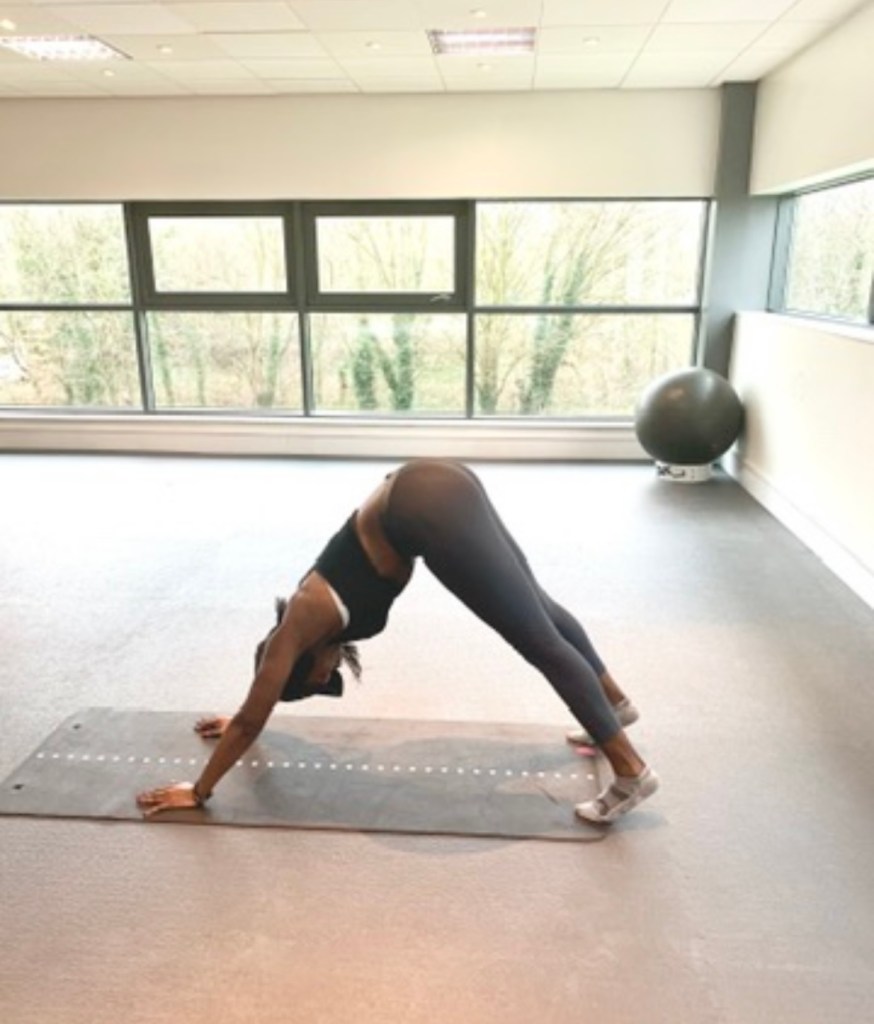
Warming up and cooling down plays such an important role in your fitness routine, and may offer help in reducing the risk of injury and improving your athletic performance. Before you jump on the treadmill or lift those weights, do a short warm up first. And try following your workout with a quick cool down session. A warm up and cool down may add a few minutes to your exercise routine. But might also lower stress on the heart and other muscles.

Why you should warm up and cool down: Warm ups and cool downs generally mean doing your activity at a slower pace and lowered intensity. It helps get the body ready for aerobic activity. A warm up literally does what it says on the tin! It’s intended to prepare the body for the physical activity you are about to complete. This might be a gym session, cardio exercise, a sports training session or a competitive match. A warm up should always include some low-intensity aerobic exercise and stretching. To prepare your body for exercise a warm up should last from 5-10 minutes.

The cool down after your workout is all about lowering the body temperature and heart rate back to normal. A cool down will normally include very light aerobic activity and stretching. It will help the muscles to further relax and return back to their normal range of movement.

(Photo Credit: Luemen Rutkowski)

How to warm up and cool down: Warm up right before you workout. Focus on large muscle groups, such as the hamstrings. Then you can do exercises more specific to your sport or activity. Start at a low, slow pace that slowly builds in speed and intensity. A warmup may cause a little sweat, but generally won’t leave you tired.

(Photo Credit: Liveology Yoga Magazine)

Cooling down is similar to warming up. You generally keep doing your workout session for five minutes or so. But you go at a slower pace and lower intensity. Always cool down straight after your workout

Finding time for regular aerobic workouts plus warming up and cooling down can be hard. But with a little creativity, you can probably fit it all in. For example, you can walk to and from the gym for your warm up and cool down…depending on how far your gym is of course!

Shelley & Michelle xx

Ways To Detox Your Body

Ways To Detox Your Body

There’s no better way than feeling healthy and full of energy. At the start of the year we decided to have a month of pure detoxification which involved cutting out fizzy drinks, red meats, alcohol and snacks, including sweet treats and crisps. It wasn’t the easiest thing to take on in January, but we are happy to say that we stuck to it and feeling great!

If you are thinking of getting healthier this year, or need more of an insight into doing so, take a look at a few tips below.

Drinking more water: Water does so much more than quench your thirst. It regulates your body temperature, aids digestion and nutrient absorption, and detoxifies your body by removing waste products. Water transports waste products, removing them through urination, breathing, or sweating. So staying properly hydrated is important for detoxification. It is said that the daily water intake for most adults is about 2 to 2.5 litres which is around 8 glasses. You may need more or less depending on your diet or your activity level. To make water that little bit more tastier, we add a slice of lemon and mint!

(Photo credit: Mariah-Hewines)

Focus on sleep: Getting quality sleep each night supports your body’s health. Sleeping allows your brain to recharge itself. Not getting enough sleep can lead to stress, anxiety, high blood pressure, heart disease, type 2 diabetes, and obesity. It is said that we should regularly sleep 7 to 9 hours per night to help gain and maintain good health. If you have difficulties staying or falling asleep at night, try to relax before bed by taking a hot bath, reading a book or stick to a sleep schedule and limit using your phone before bed.

(Photo credit: Toa-Heftiba)

Limit your intake of sugar and processed foods: Even thought this can be so difficult at times, but you can keep your body’s detoxification system healthy by consuming less junk food. You can limit junk food by just leaving it on the shop shelf. Not having it in your kitchen takes away the temptation altogether, and replacing junk food with healthier choices like fruits and vegetables is also a healthy way to reduce consumption.

(Photo credit: Vinicius-Amnx-Amano)

Gut health: Gut health is so important for keeping your detoxification system healthy. Prebiotics is a type of fibre that feeds the good bacteria in your gut. Eating foods rich in prebiotics can keep your immune and detoxification systems healthy. Good food sources of prebiotics include tomatoes, artichokes, bananas, asparagus, onions, garlic, and oats.

(Photo credit: Cleo-Stracuzza)

Shelley & Michelle xx