The Power Of Sound Baths

The Power Of Sound Baths

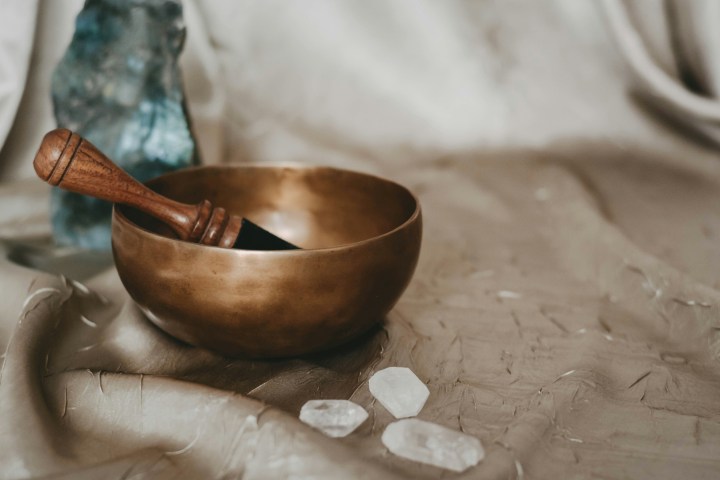
We meditate often and have recently taken our much-needed zen time more deeper with sound baths. The practice of healing bodies through sound is technically thousands of years old with deep roots in cultures across the world. A sound bath is a meditative experience where those who attend a session are “bathed” in sound waves. These waves are produced by various sources, including healing instruments such as gongs, singing bowls, percussion, chimes, rattles, tuning forks, and even the human voice itself.

(Photo credit: Magic-Bowls)

This “spiritual, cleansing music” varies according to place and culture, but it can be as simple as chanting an om following your yoga session or as complex as an hour-long experience in a dedicated space with a sound practitioner.

(Photo credit: Susanna-Marsiglia)

During the sound bath, you often lie on your back and get as comfortable as possible, with a pillow and blanket wrapped over you making the experience as cosy and relaxed as can be.

The different frequencies emitted by gongs, chimes and Tibetan bowls work to soothe the mind and heal the body, stimulating the brainwave frequencies associated with total relaxation and switching on the nervous system’s repair mode.
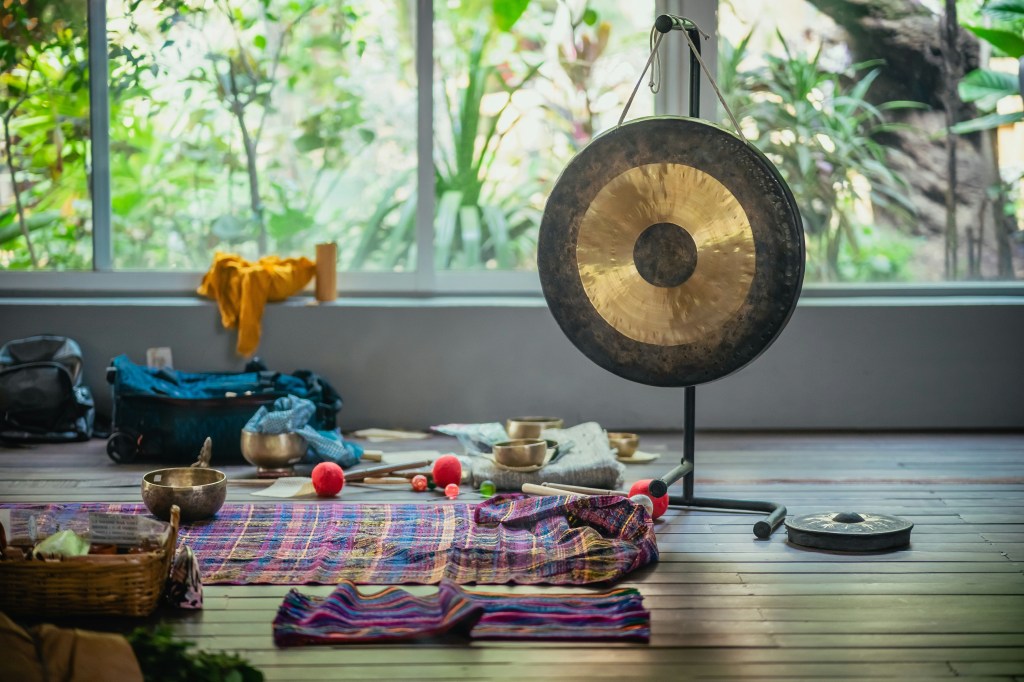
(Photo credit: Julio-Lopez)

This ancient practice has numerous physical and mental health benefits too, including better sleep, improved mood, reduced stress and unblocking chakras. Chakras are centers of spiritual energy or power, a concept that comes from Hinduism. It may also help treat conditions, such as depression and anxiety.
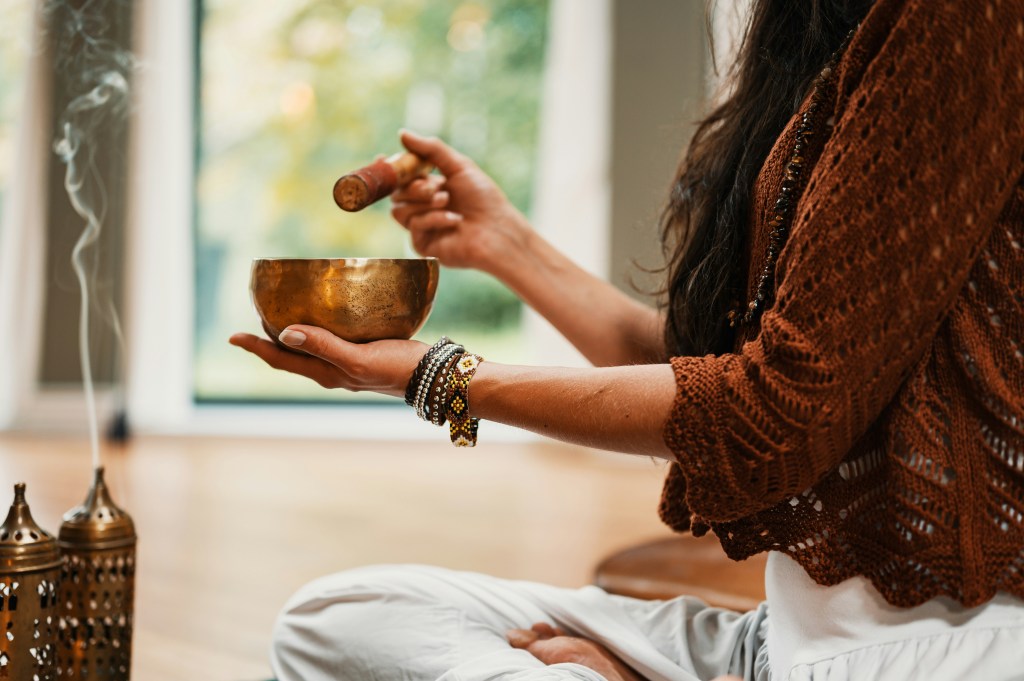
(Photo credit: Conscious-Design)

After a sound bath, you may be advised to move slowly when transitioning to a seated position. Other advice after a sound bath ends can include staying hydrated, getting rest, and staying relaxed.

(Photo credit: Frames-For-Your-heart)

There are many locations in the UK and around the world that do sound bath sessions. Or if you prefer to take part in the comfort of your own home, you can always listen to a sound bath recording on YouTube, or there are a number of sound bath apps which you can download.

Shelley & Michelle xx
The Importance Of Self-Care

The Importance Of Self-Care

Self-care means taking the time to do things that help you live well and improve both your physical health and mental health. This can help you manage stress, lower your risk of illness, and increase your energy. Even small acts in your daily life can have a big impact. There are various forms of self-care. Take a look at a few tips below.

Try a relaxing activity: Explore relaxation, wellness programmes or apps, which may incorporate meditation, muscle relaxation, or breathing exercises. Schedule regular times for these and other healthy activities you enjoy, such as listening to music, reading, spending time in nature, and engaging in low-stress hobbies.

(Photo credit: Kaylee Garrett)

Set goals and priorities: Decide what must get done now and what can wait. Learn to say “no” to new tasks if you start to feel like you’re taking on too much. Try to appreciate what you have accomplished at the end of the day.

Practice gratitude: Remind yourself daily of things you are grateful for. Be specific. Write them down or replay them in your mind. Try to focus on positive things, and if that seems difficult at times, Identify and challenge the negative and unhelpful thoughts.

(Photo credit: Carli Jeen)

Regular exercise, eating healthy and staying hydrated: Of course we would include exercise! Just 30 minutes of walking every day can boost your mood and improve your health. Small amounts of exercise add up. A balanced diet and plenty of water can improve your mood, energy and focus throughout the day.

(Photo credit: Frank Holleman)

Surround yourself with positive people: Choose to spend time with people who make you feel good, that have great energy, and learn to love yourself!

(Photo credit: Annie-Spratt)

Shelley & Michelle xx

Ways to clear your mind

Ways to clear your mind

There are many things we need to tackle daily. Emails, meetings, errands, making meals. The list is endless. Clearing your mind is a great way to reinvigorate yourself and complete your tasks to the best of your ability. Anxiety usually rises when we’re weighed down with worries, thoughts and upcoming projects. And to be completely honest life itself can be full of many challenges. Making time for yourself and your mind should be the number one go too. If your mind is not a 100% how can you be your best self.

It’s ok to say no: There are always things happening constantly in our day to day lives. Catching up with friends, family and work commitments. As the days go by it is easy to get caught up, and when you eventually stop you realise half of the year has gone by already. In life we have to prioritise and make decisions and you can’t always say yes. It’s ok to put your needs first and it’s ok to say no, especially if you are feeling rundown and overwhelmed. Saying no will reduce your stress, leave your mind clearer and leave you with valuable time for yourself. You can’t help others if you don’t take care of yourself first.

Take a break: Stepping away from phones, computer screens and what you’re currently working on will help you find space for whatever types of rest you need throughout the day. Plus, it will enhance your attention when you return to it. Take a deep breath when you can, do a short guided meditation, go out into the fresh air for a walk or run, read a chapter from your book, listen to music or take a nap. These are great ways to get things off your mind and improve memory.

(Photo credit: Jessica-Lewis)

Make a to-do list: Writing down what you need to accomplish in a day and even in life will help you stay organised and on track. Doing this lets you empty your thoughts on paper, freeing up space in your mind. By writing things down, that thought will no longer pop into your head every few days or hours.

(Photo credit: priscilla-du-preez)

Vocalise how you feel: We all need a little extra help from time to time. Even If you need to speak to someone other than friends and family, seek medical advice from a doctor or a therapist. Be honest about what you’re experiencing — to yourself, and others, too. If you’re feeling overwhelmed say so. Acknowledging and vocalising how you’re feeling will keep your mind at ease.

Shelley & Michelle xx

Benefits From A Pilates Workout

Benefits From A Pilates Workout

Pilates is a form of exercise which concentrates on strengthening the body with an emphasis on core strength. It helps to improve general fitness and overall well-being. Similar to Yoga, Pilates concentrates on posture, balance and flexibility. This form of exercise was developed by Joseph Pilates in Germany, who believed that physical and mental health were closely connected.

Although there are similarities between yoga and Pilates as they both focus on the mind-body connection, yoga tends to focus more on spiritual well being. It is a more relaxing form of exercise whereas Pilates is more physical and focuses on toning and strengthening.

Photo credit: Ginny Rose Stewart

Practicing Pilates on a regular basis provides plenty of well-rounded benefits. The great thing is that Pilates can be enjoyed by anyone and at any age. If you’re a beginner you can start with the more easier exercises and then once you’ve mastered those, you can work on the advanced moves. Always check with your health professional if you haven’t exercised for a while, are older or pregnant, or have health problems.

  • Good posture – Pilates will teach you to gain and maintain good posture. The exercises require that your body is always in alignment. This is especially beneficial if you suffer from lower back pain.
  • Clears the mind and improves your mood – Pilates focuses on providing balance between your mind and body, it gives you an overall sense of well-being. Pilates can improve your mood as physical activity causes endorphins to be released and causes a positive feeling in the body. Some scientists believe that being active can enhance wellbeing as it brings about a sense of better self-confidence and self-control.
  • Muscle Tone – The exercises involve the use of muscles that you may not use on a daily basis. After the initial soreness, you’ll find that your muscles will be much more toned.
  • Flat abdominal muscles – As Pilates focuses on strengthening your core which includes your abdominal muscles, you’ll find that one of the benefits of Pilates is that it will result in a flat stomach.
  • Flexibility – As we age we tend to lose the flexibility we had when we were younger. Pilates is said to restore your flexibility. After a while you’ll be amazed at how much more flexible your body has become.
  • Improves your balance – Through the mind-body connection, you will become much more aware of how your body moves and performs. Pilates not only improves your physical balance through correct posture but will also restore your mind-body balance.
  • Reduces stress – When doing the exercises, you’ll be in the moment and won’t be able to think about all those responsibilities that weigh you down on a day to day basis. You’ll be more focused on your breathing and on the moves that you are making with your body. This is one of the best ways to relieve stress.
Photo credit: Elena Kloppenburg

Shelley & Michelle xx