Walking on an incline benefits

Walking on an incline benefits

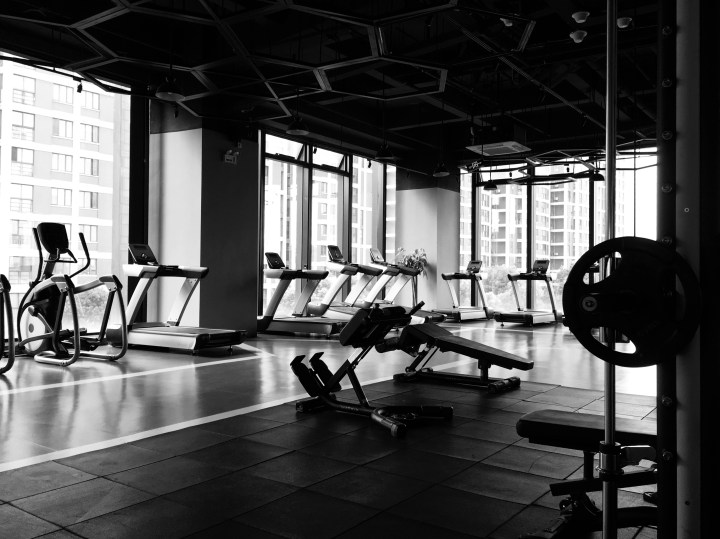
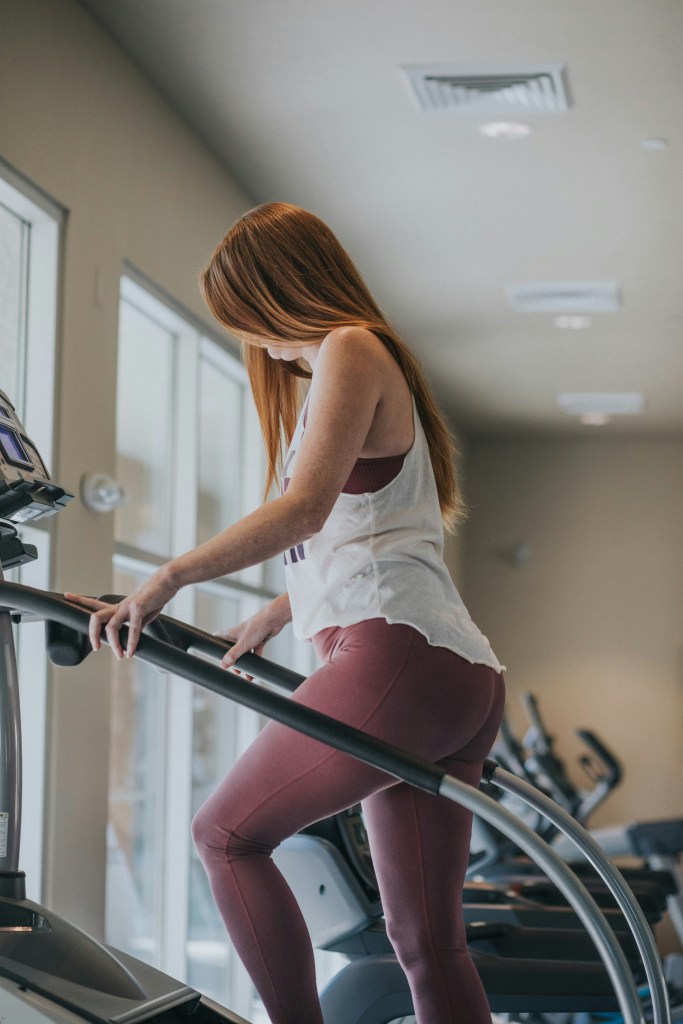
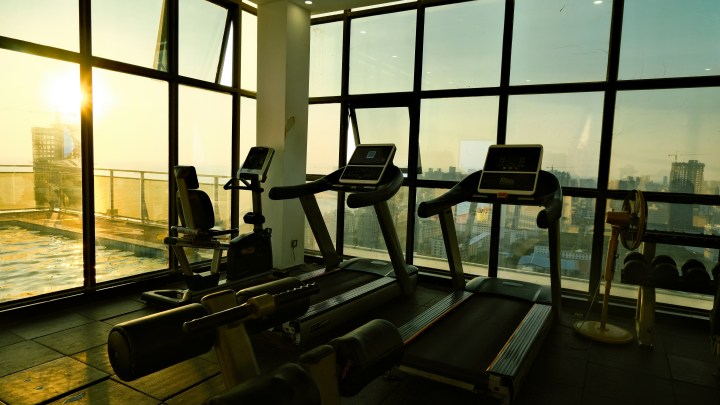
We have introduced so many fitness workouts into our routine over the years, and are currently hooked on walking on an incline at a steady pace. Try walking on a level 12 incline at a 3-mile per hour speed for 30 minutes… If you don’t break a sweat doing this we can’t help you! lol. When you walk on a treadmill with an incline, posterior muscles like your glutes, hamstrings, calves, and back are getting to work. It’s a form of resistance training, and you’re building strength in your glutes, hamstrings, back, and core muscles.

On top of that, the speed adds more difficulty. Three mph might not sound that fast, but combined with the incline, you will definitely feel the burn. Your heart rate will also rise since you’re working harder walking uphill at a quicker pace, and although the workout may feel super tough at first but if you’re consistent, over time your body will adjust as your body adapts to its “new normal” working capacity.
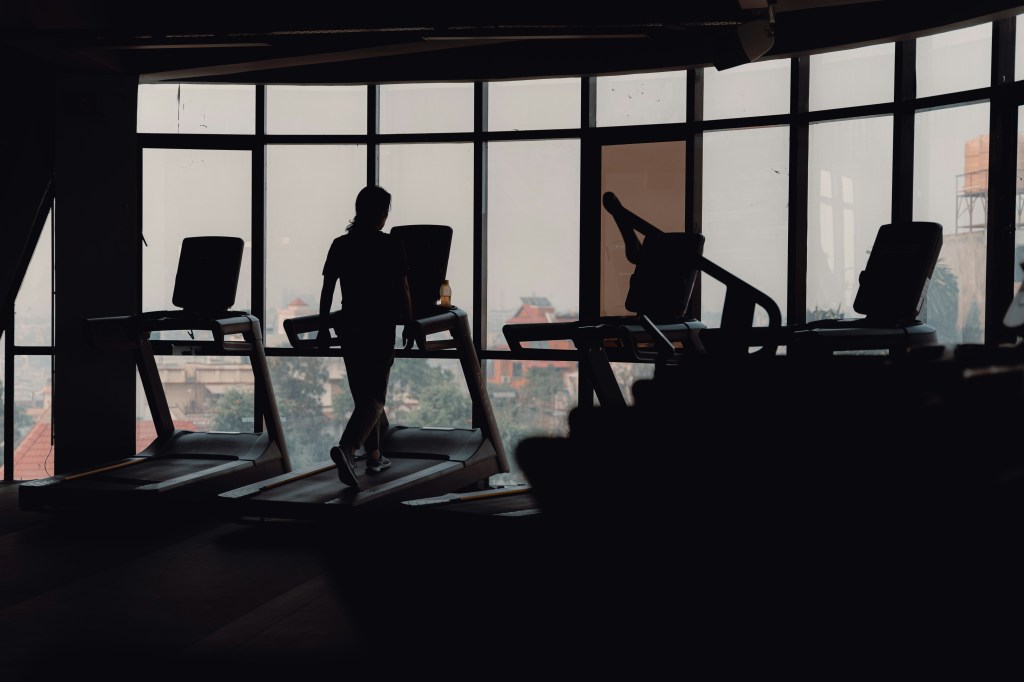
(Photo Credit: Gold-S-Gym-Nepal)

Beneficial for your bones: Incline walking is a weight-bearing exercise, so with the resistance the body creates, you naturally strengthen your bone density.

May help with weight loss—if you’re consistent: It’s important to note that weight loss is determined by many factors from calorie intake to moving your body regularly, any potential weight loss from doing this workout will vary from person to person. If you’re trying the workout specifically to lose weight, the key is to stay consistent.
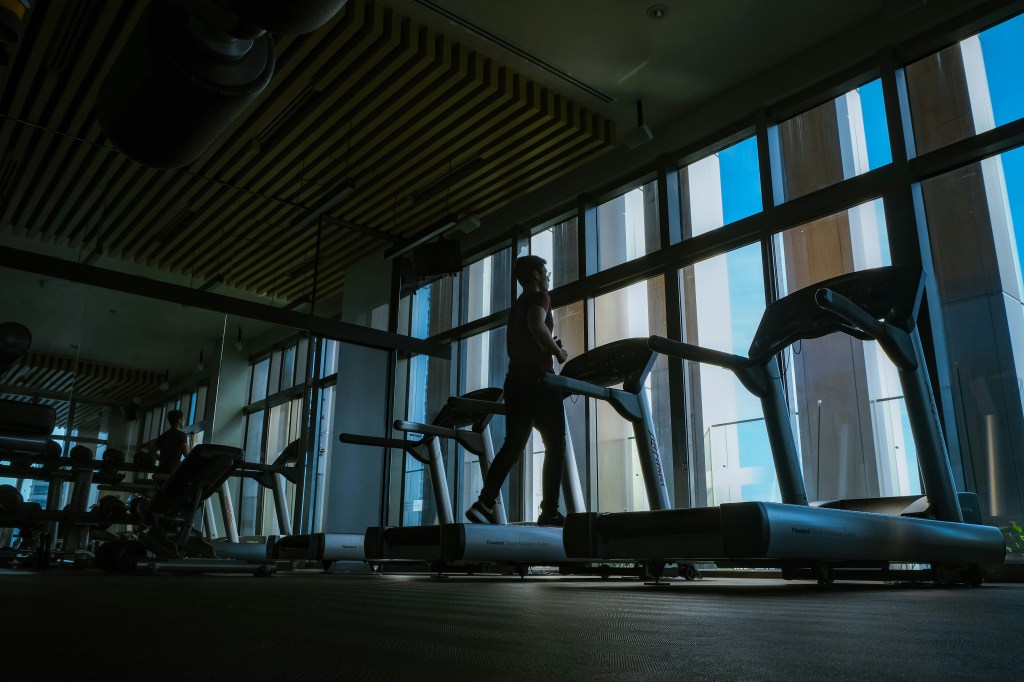
(Photo Credit: Ridhwan-Nordin)

Helps your heart: This workout could be a helpful addition to build endurance and boost cardiovascular health. Moderate-intensity walking, three to five times per week for three months is said to lower blood pressure.

Calorie Burn! This workout sesh can burn anywhere from over 180 calories to over 300 calories, depending on factors like incline, speed, and the individual’s weight and fitness level. 

If you enjoyed this post feel free to like, follow, share and comment!

Shelley & Michelle xx
Reasons why you should add skipping to your workout routine

Reasons why you should add skipping to your workout routine

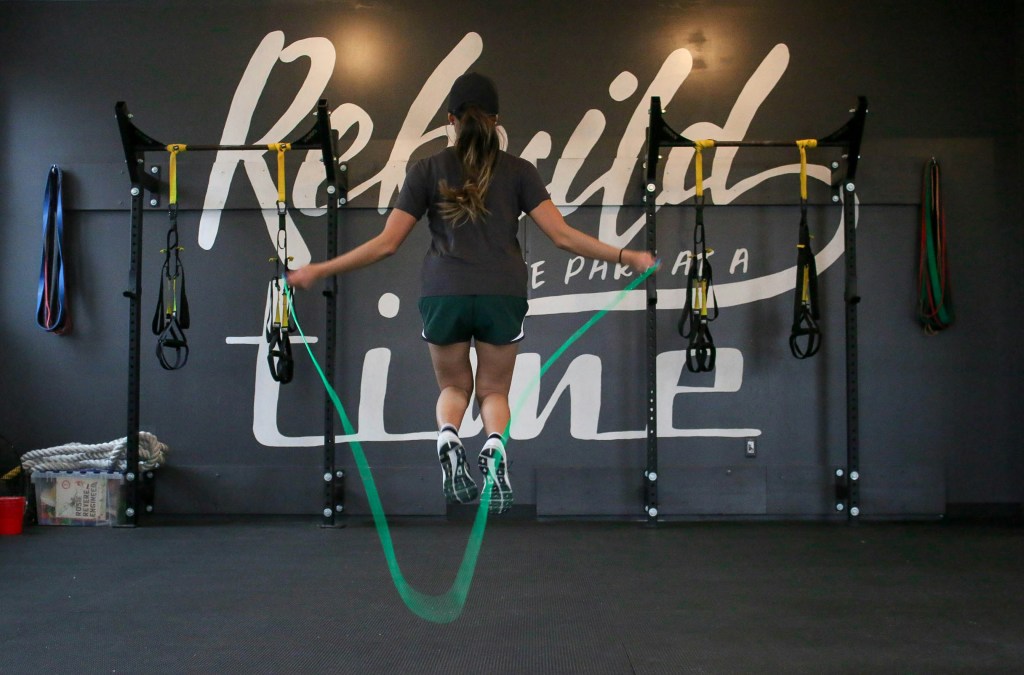
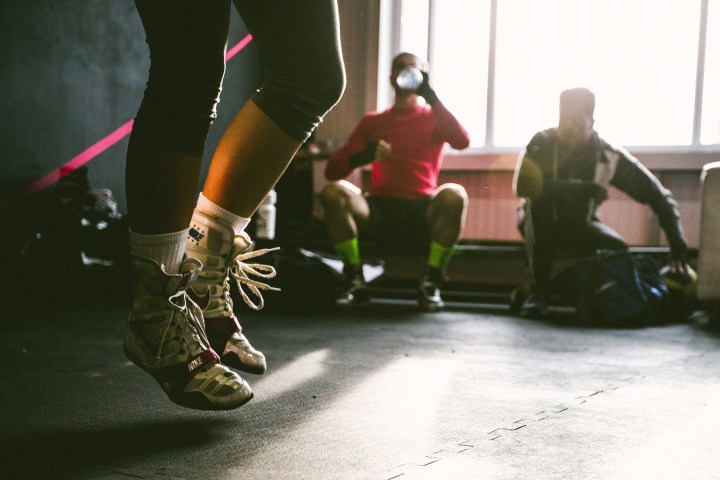
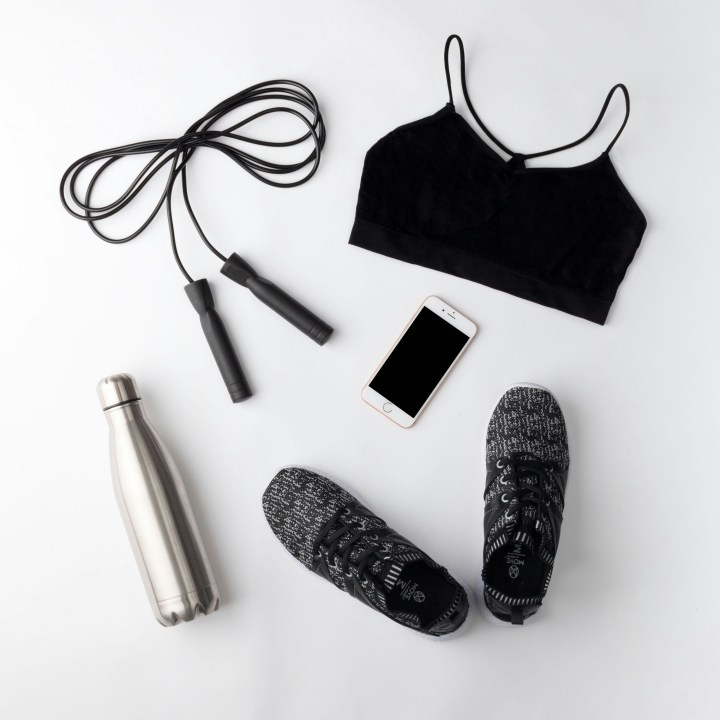
As kids, most of us spent our time skipping rope in the garden with our siblings and family members, or at the school playground with friends. It was so much fun we didn’t even realise it’s such a good way to get in some exercise, and of course we had loads more energy back then! A skipping rope workout is one of the most effective and underrated exercises for full-body fitness. Whether your goal is fat loss, endurance, strength, or agility, skipping is one of the best ways of training. It’s easy to start, highly effective, and requires minimal space making it the perfect workout for busy lifestyles and the best part is, you can incorporate skipping into your routine at anytime.

(Photo Credit: Element5-Digital)

Can improve coordination and balance: Adding skipping to your workout routine can be a great way to improve your balance and coordination. Learning to skip rope involves the coordination of your arms, legs, and torso while also keeping a constant rhythm. You decide how fast you’re jumping and rotating the rope, which means you can slowly build your coordination and balance based on your needs.

Improves cardio fitness: Skipping is great for improving your cardio fitness. Jumping continuously for a period of time increases your heart and respiratory rate. Over time, this can strengthen your heart and improve your lung capacity, allowing you to exercise for longer.

Strengthens muscles: Skipping rope relies on your lower body muscles such as your calves, thighs, and bottom. And upper body including your shoulders, biceps and abdominal muscles. This not only helps improve muscle strength but also muscular endurance, which allows your muscles to exercise for longer.

(Photo Credit: Kelly-Sikkema)

Apart from helping improve your coordination, getting your heart rate going and burning calories. Another benefit is that it’s an easy and affordable way to get some cardio in. So buy a skipping rope and get skipping! It can be done almost anywhere – just try to avoid knocking over your furniture.

Shelley & Michelle xx


5 Hot Yoga Benefits For A Healthier Mind And Body

5 Hot Yoga Benefits For A Healthier Mind And Body

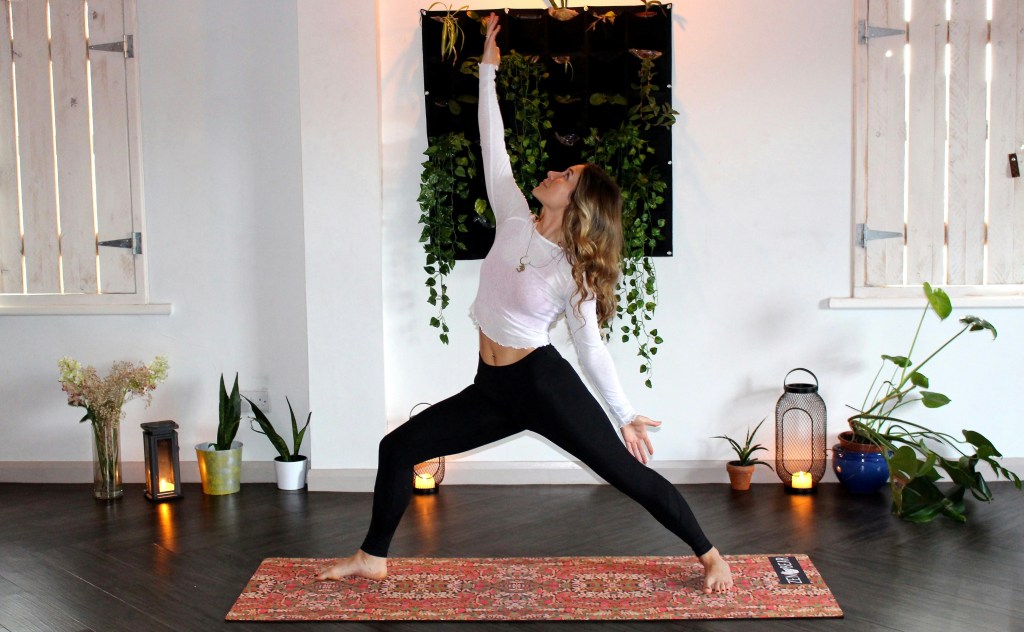
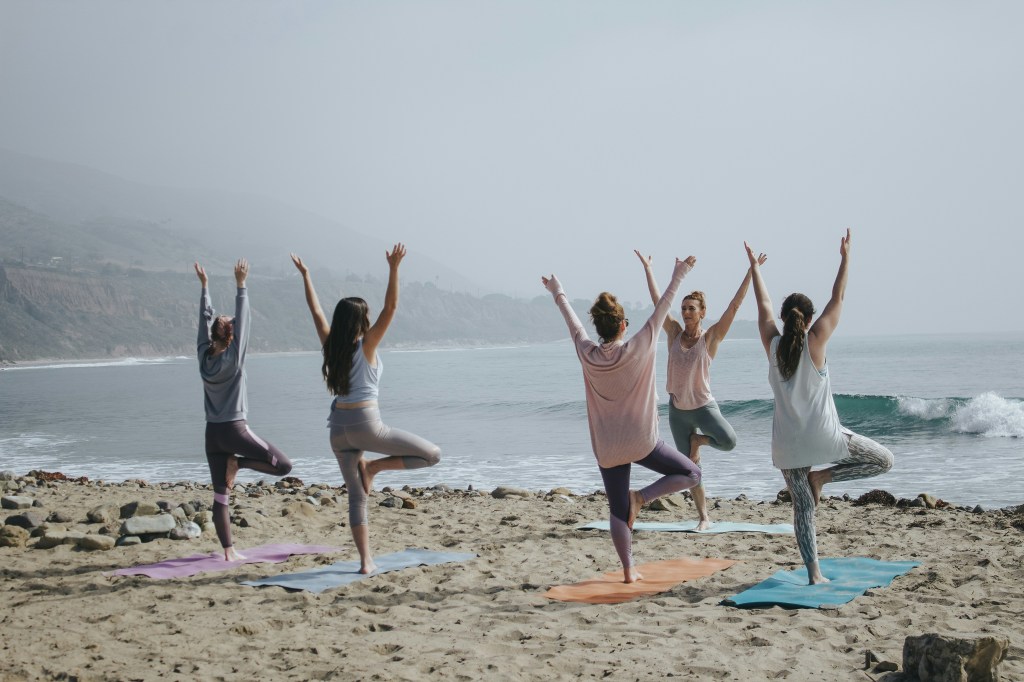
Hot yoga is a type of yoga practiced in a heated room, usually between 32–40°C. The heat and humidity can cause those taking part to sweat a lot. The heat is designed to promote deeper stretches and sweating by raising your core body temperature. Some hot yoga practices seek to replicate the heat and humidity of India where yoga originated.

We tried hot yoga recently and it is intense due to the added heat, which increases your heart rate and makes it more challenging to hold poses, compared to regular yoga practiced at room temperature, but you feel amazing afterwards. We always like to dig a little deeper into the new hobbies we take on. Below we’ve listed the incredible benefits from a hot yoga workout.

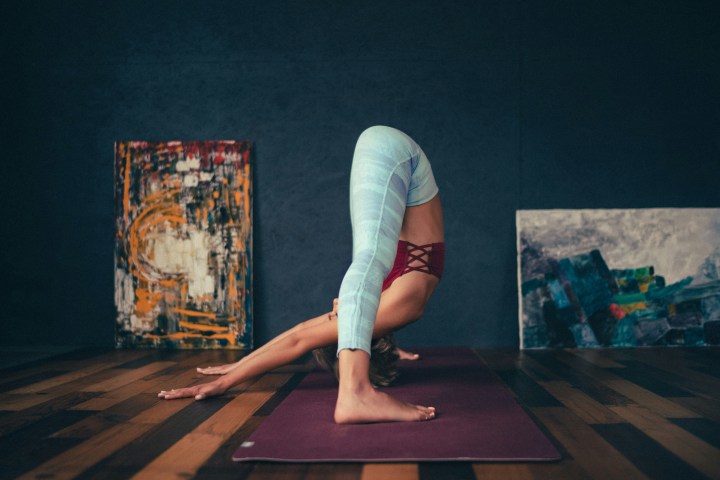
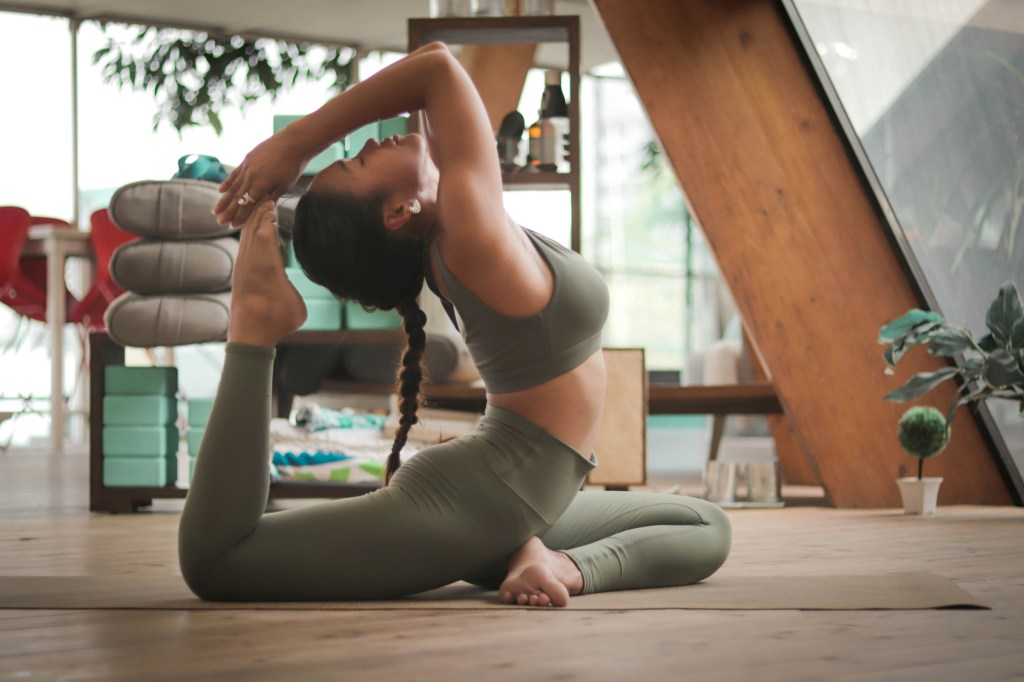
Flexibility: The heat can help muscles warm up, allowing for deeper poses, improves flexibility, balance and strengthens the muscles.

(Photo Credit: Carl-Barcelo)

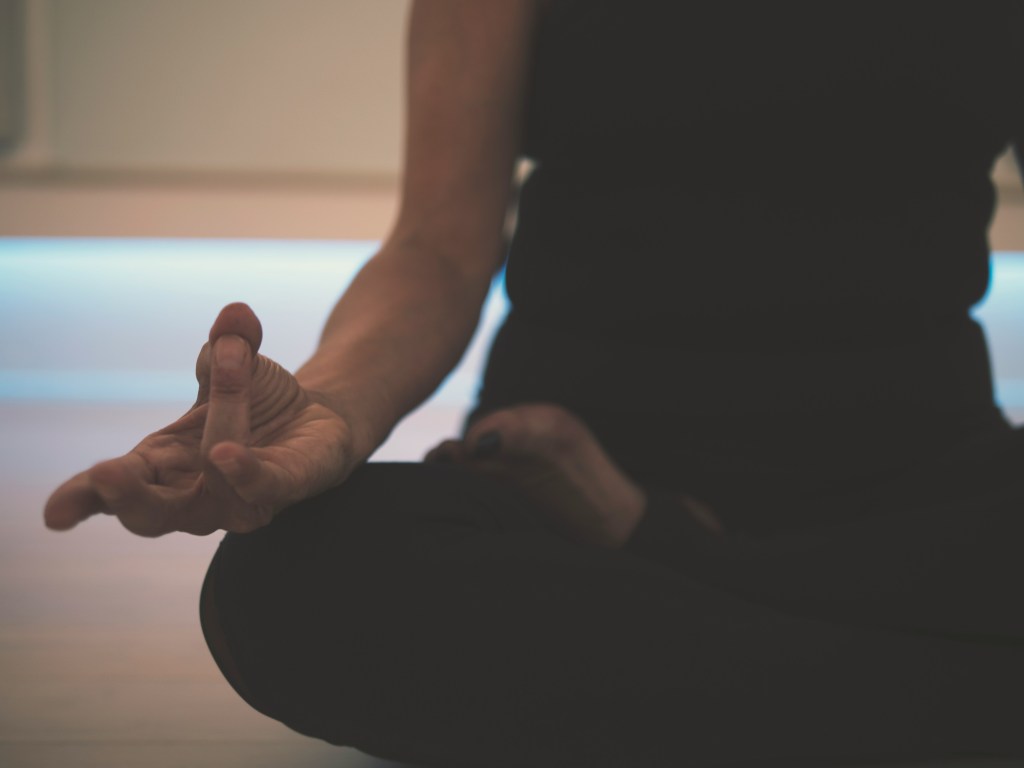
Mental health: The heat helps with mental clarity and concentration, and can help relieve stress. Yoga, in general, can help reduce stress levels and reduces anxiety.

Cardio health: The heat can increase heart rate, which may help improve cardiovascular health and endurance. The high temperature in hot yoga can make it more intense than a traditional yoga class. It makes the heart, muscles, and lungs work harder and boosts metabolism.

(Photo Credit: Zen-Bear-Yoga)

Improves skin: Sweating can improve blood flow which helps deliver nutrients to the skin cells. The heat can increase circulation and help the skin glow.

Burns more calories: The heat and the time a person holds challenging poses can help you burn more calories in hot yoga than in traditional yoga.

(Photo Credit: JD-Mason)

Always remember to keep a bottle of water nearby. Due to the high heat, it’s crucial to stay hydrated before, during, and after a hot yoga class. 

Shelley & Michelle xx

What is Reiki?

What is Reiki?

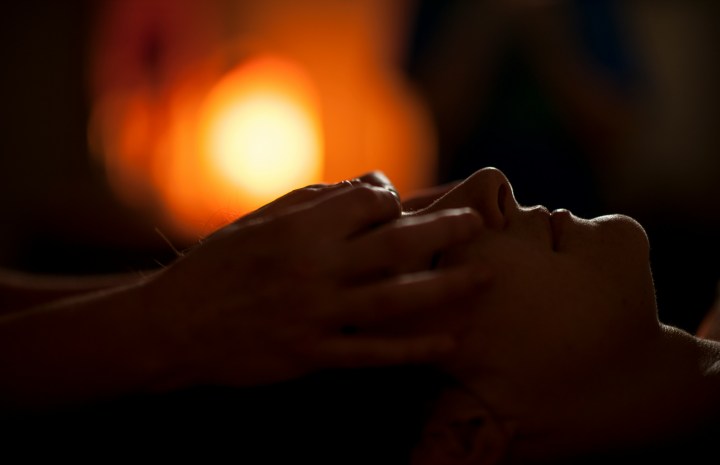
Reiki is a Japanese healing technique that uses gentle touch to promote relaxation and well-being. A reiki practitioner places their hands just above your body to help guide energy within in a way that leads to balance and healing. Reiki is often used to reduce stress and anxiety, and is intended to help people feel more relaxed and peaceful.

Founded by Mikao Usui in the early 1900s who originated the practice in Japan. It is said that Usui taught his system of reiki to more than 2,000 people during his lifetime.

(Photo credit: Jeremy-Yap)

The term comes from two Japanese words: “rei,” which means universal, and “ki,” which translates to a flow of a lifeforce of energy that happens in all living things.

Reiki is a complementary or alternative health approach. It does not directly cure an illness or get rid of any health conditions and it’s not a medical treatment. Health benefits of reiki may include: reduction of pain and fatigue levels, depression, anxiety, and stress relief, improved sleep quality, pre-surgery anxiety, fear, pain relief, emotional healing and blood pressure management.

(Photo credit: Conscious-Design)

Reiki is considered a form of energy healing and sessions usually last about 60 to 90 minutes to make time for relaxing deeply and energy flow.

We had our first Reiki session last year and left feeling so relaxed, we’ll definitely book in for a second session!

Shelley & Michelle xx

The Power Of Sound Baths

The Power Of Sound Baths

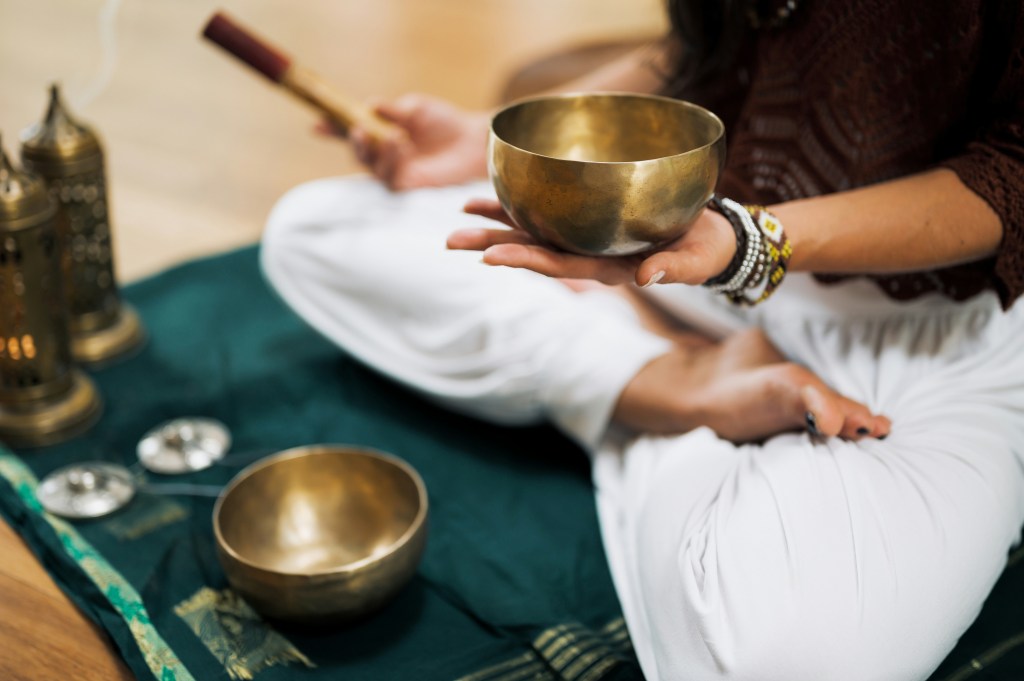
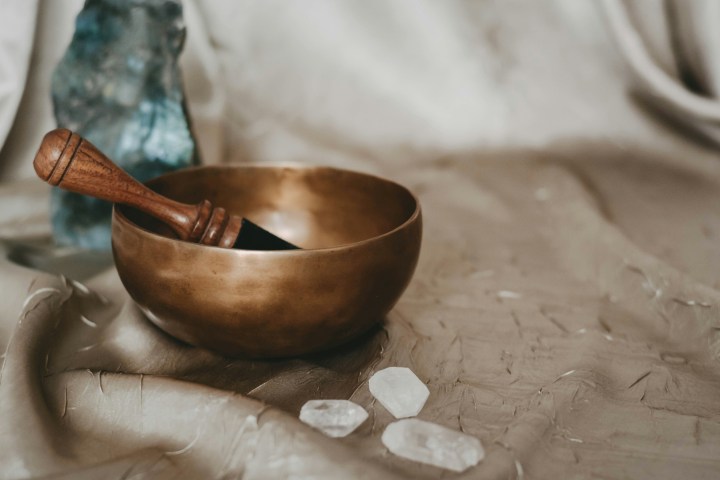
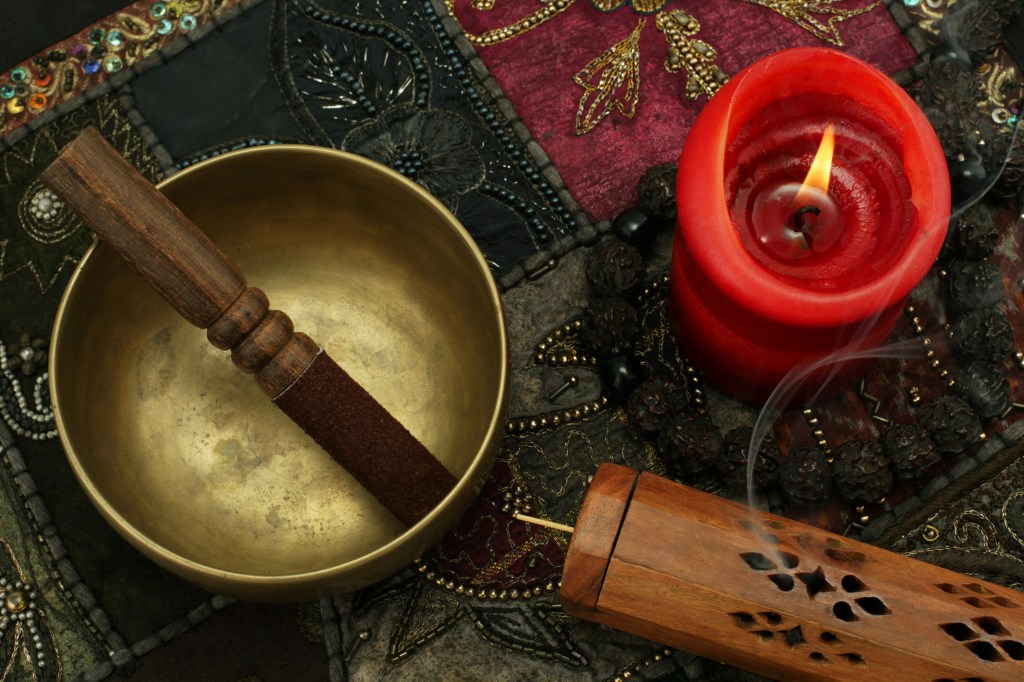
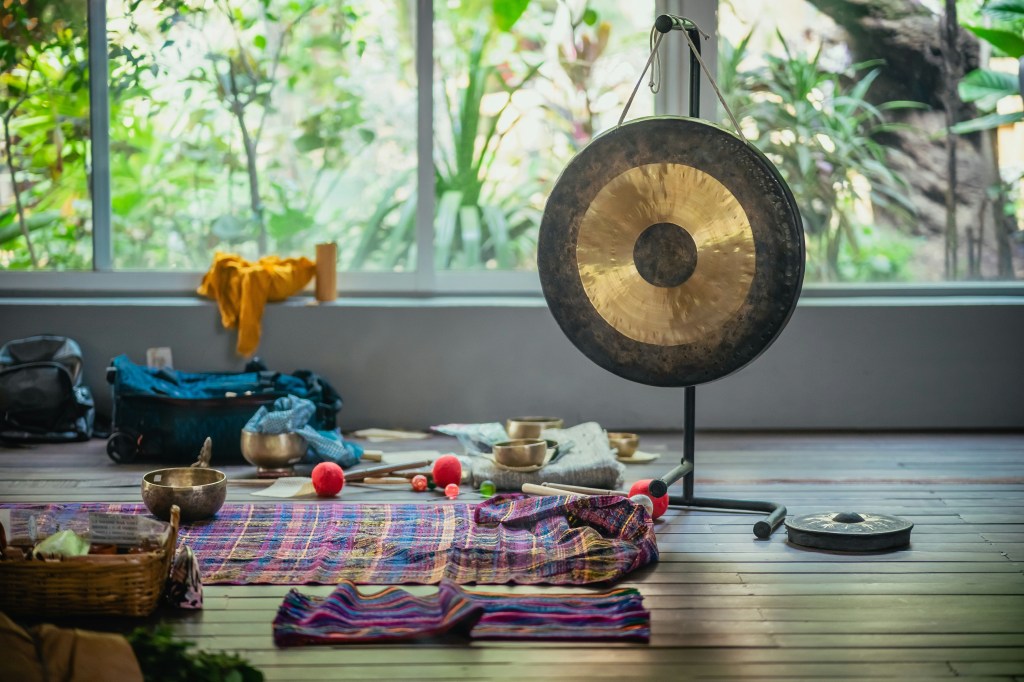
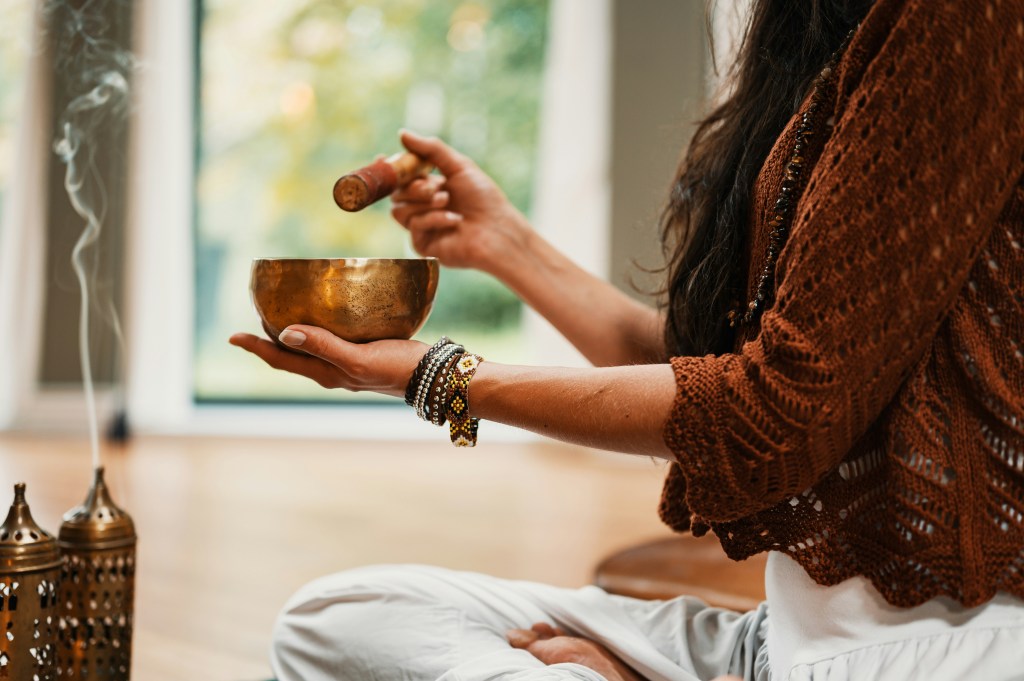
We meditate often and have recently taken our much-needed zen time more deeper with sound baths. The practice of healing bodies through sound is technically thousands of years old with deep roots in cultures across the world. A sound bath is a meditative experience where those who attend a session are “bathed” in sound waves. These waves are produced by various sources, including healing instruments such as gongs, singing bowls, percussion, chimes, rattles, tuning forks, and even the human voice itself.

(Photo credit: Magic-Bowls)

This “spiritual, cleansing music” varies according to place and culture, but it can be as simple as chanting an om following your yoga session or as complex as an hour-long experience in a dedicated space with a sound practitioner.

(Photo credit: Susanna-Marsiglia)

During the sound bath, you often lie on your back and get as comfortable as possible, with a pillow and blanket wrapped over you making the experience as cosy and relaxed as can be.

The different frequencies emitted by gongs, chimes and Tibetan bowls work to soothe the mind and heal the body, stimulating the brainwave frequencies associated with total relaxation and switching on the nervous system’s repair mode.

(Photo credit: Julio-Lopez)

This ancient practice has numerous physical and mental health benefits too, including better sleep, improved mood, reduced stress and unblocking chakras. Chakras are centers of spiritual energy or power, a concept that comes from Hinduism. It may also help treat conditions, such as depression and anxiety.

(Photo credit: Conscious-Design)

After a sound bath, you may be advised to move slowly when transitioning to a seated position. Other advice after a sound bath ends can include staying hydrated, getting rest, and staying relaxed.

(Photo credit: Frames-For-Your-heart)

There are many locations in the UK and around the world that do sound bath sessions. Or if you prefer to take part in the comfort of your own home, you can always listen to a sound bath recording on YouTube, or there are a number of sound bath apps which you can download.

Shelley & Michelle xx
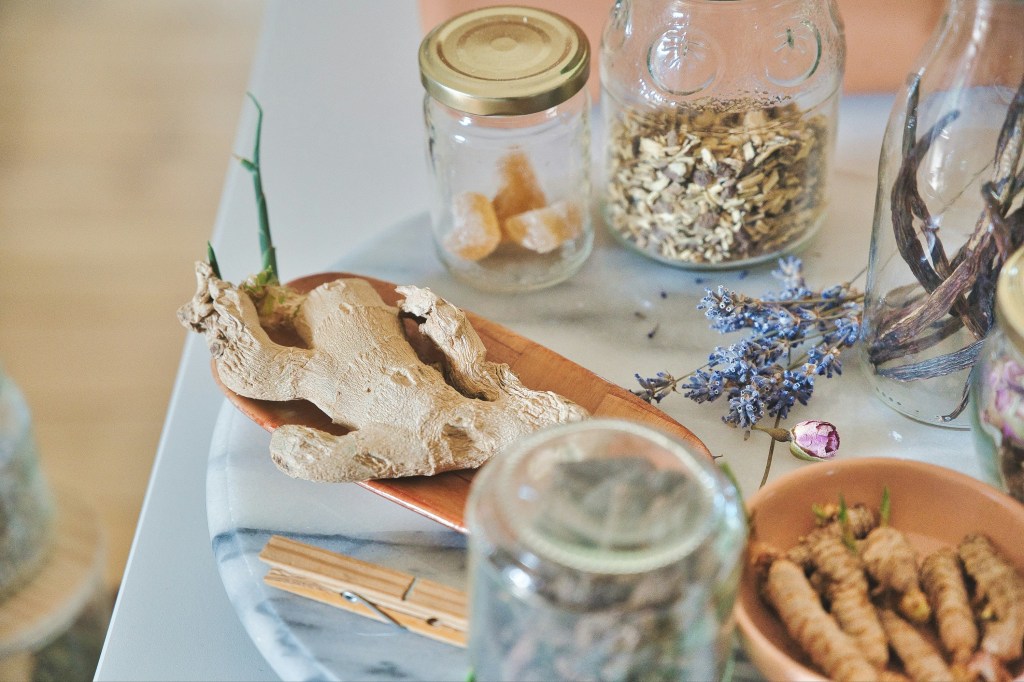
Ginger, the ultimate winter spice

Ginger, the ultimate winter spice

As we are now into the colder months, we are more prone to catching colds, and of course want to keep those germs at bay. It’s important that our immune systems are given that extra boost and ginger does just that, it is the spice that holds many benefits.

Ginger is one of the first spices to have been exported from Asia, arriving in Europe  with the spice trade, and was used by ancient Greeks and Romans. Ginger has also been used in traditional medicine in China, India and Japan for centuries.

(Photo credit: Conscious-Design)

Boosts Immunity: Loaded with antioxidants, ginger strengthens the immune system, helping to keep off seasonal illnesses like colds and flu that often takes over our bodies in winter.

Blood Circulation: Ginger promotes better blood circulation, which is crucial during winter and as we tend to feel colder. Improved circulation helps maintain warmth throughout the body.

(Photo credit: Bluebird-Provisions)

Helps the digestive system: Ginger is said to be a trusted remedy for digestive issues. Its soothing properties help alleviate nausea, indigestion, and bloating.

Respiratory Support: The warming effect of ginger helps clear congestion and soothes respiratory discomfort. Ginger tea with honey can offer relief from coughs and sore throats, providing comfort during cold weather.

(Photo credit: Hilary-Hahn-Lc)

Pregnancy: Ginger can help with morning sickness, nausea, and vomiting. 

Arthritis and joint pain: Antioxidants and other nutrients in ginger root may help prevent or treat arthritis, inflammation, and various types of infection. Ginger is also said to help relieve joint pain.

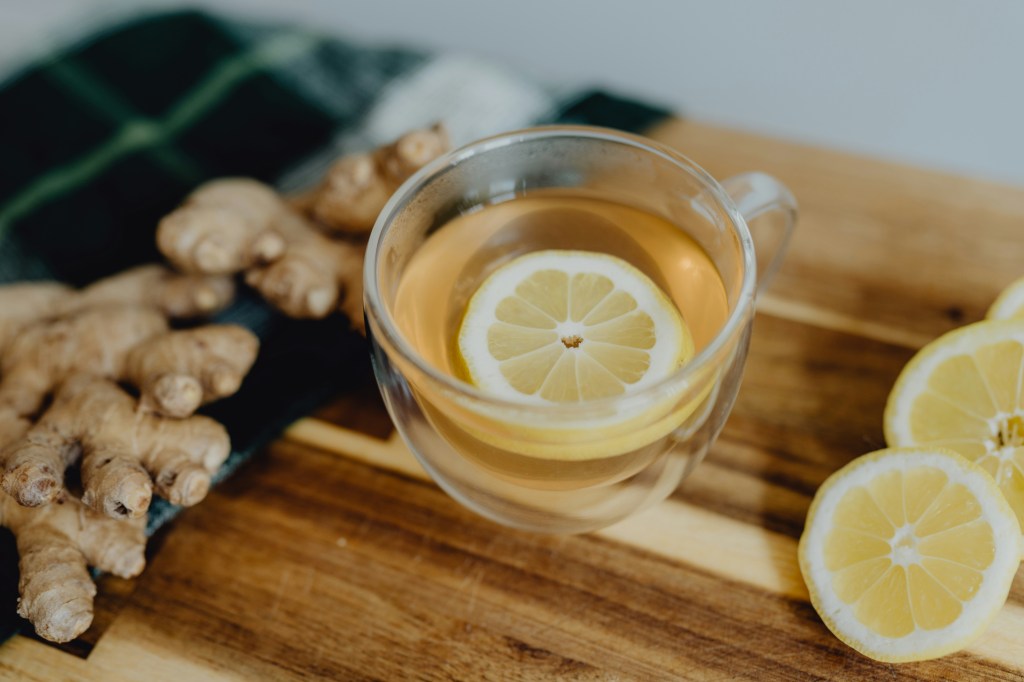
Ways to Incorporate Ginger into your diet: Ginger Tea – Brew fresh ginger slices in hot water, add a squeeze of lemon and honey for a soothing and warming tea.

(Photo credit: J-A-Uppendahl)

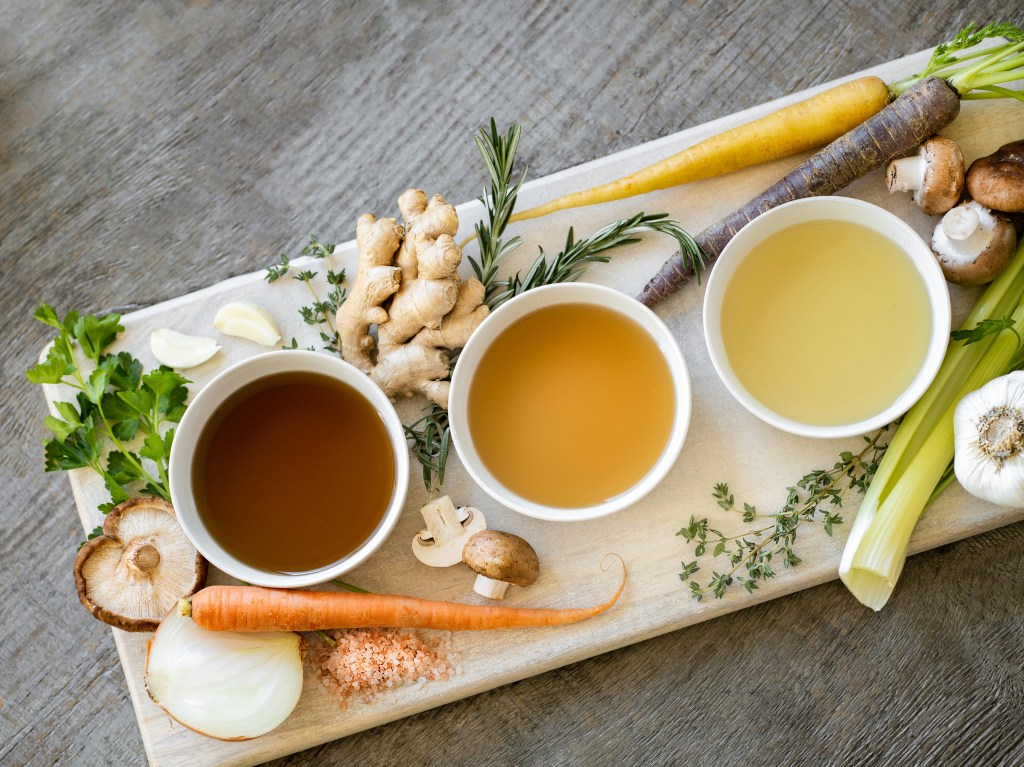
Add grated or sliced ginger to soups, stews, curries, and stir-fries for a flavorful twist and added health benefits.

Create ginger-infused water or drinks by adding ginger slices to water, allowing it to infuse overnight for a refreshing and health-boosting beverage.

(Photo credit: Kelly-Sikkema)

Ginger Shots can kickstart your day. Blend ginger with drops of lemon, this will definitely give you the boost you need first thing!

Shelley & Michelle xx
5 Benefits Of The StairMaster

5 Benefits Of The StairMaster

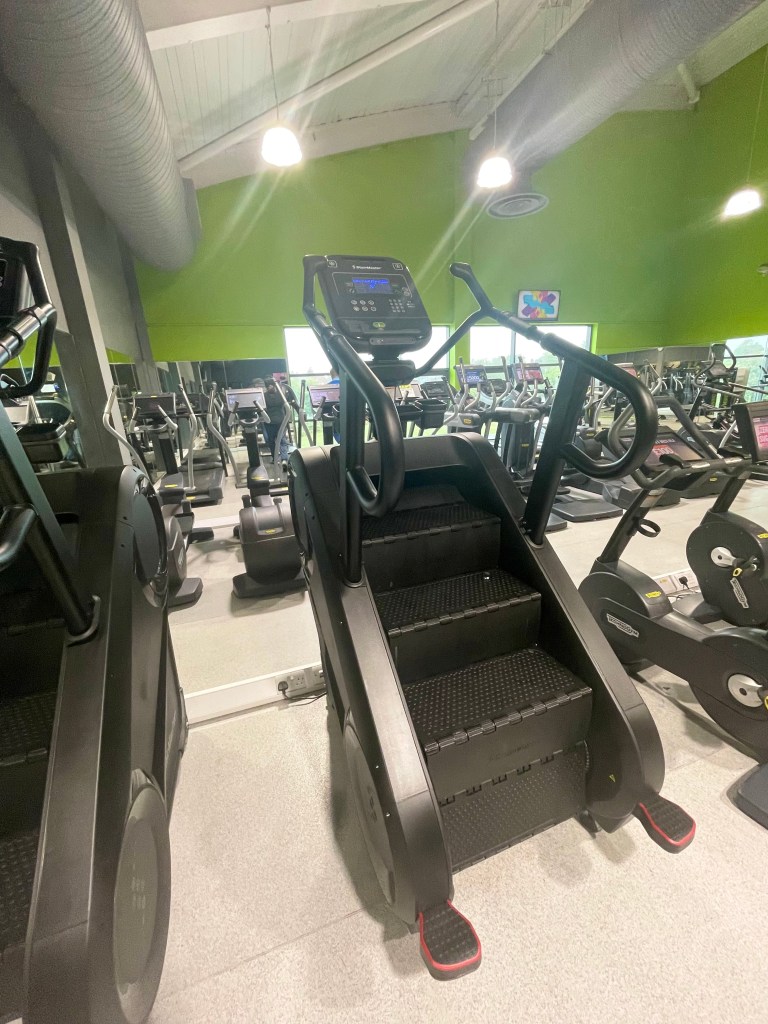
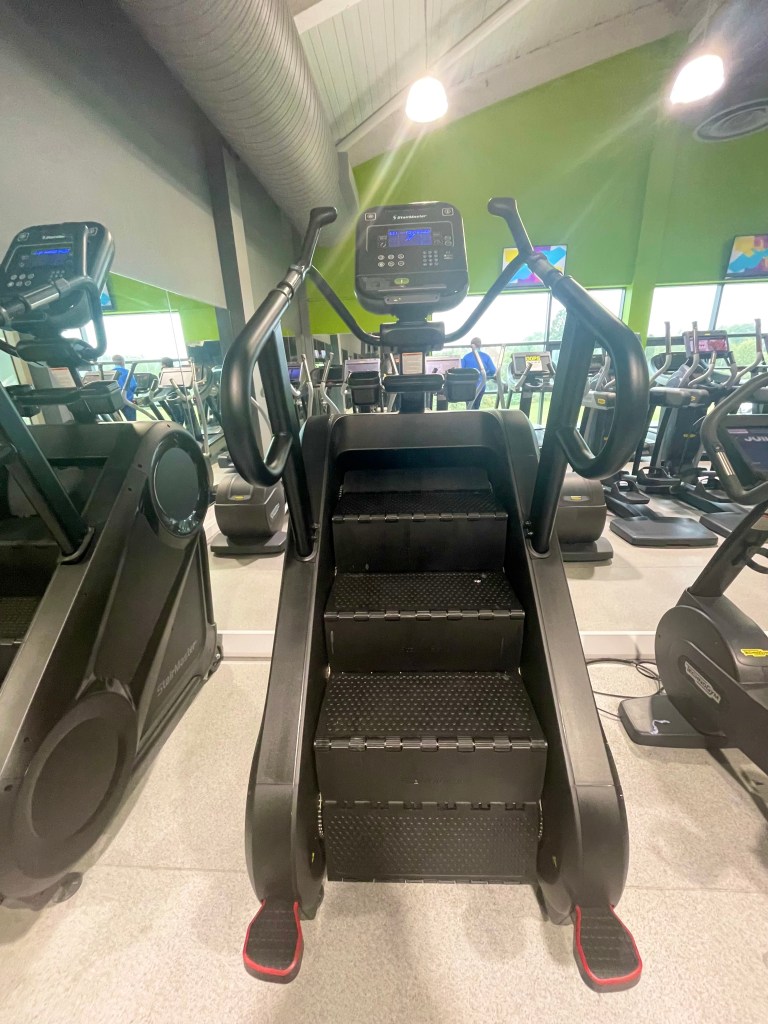
The StairMaster is a cardio machine that mimics stair climbing. It provides a low-impact, high-intensity workout that targets the lower body and several muscle groups. A session on the StairMaster is a great way to burn calories and build strength. It’s a great choice for people of all fitness levels. Like treadmills, a StairMaster has a variety of settings to mix up your workouts. You can adjust the speed and select the duration by programming the number of minutes you want to exercise. If you’re just starting out, you can set the machine to go for 5 or 10 minutes and work up from there. Stair-climbing on a StairMaster helps your body release endorphins. So although you may feel exhausted at the end of your stair-climbing sesh, mentally, you’ll feel ready to take on anything!

Burns calories: Depending on your weight and how hard you go, you can easily burn hundreds of calories in just one session! The faster you climb and the more stair-climbing sessions you fit into your weekly exercise routine, the more calories you’ll burn. Most machines have a built-in calorie calculator, which will tell you how many calories you’ve burned in each session.

Improves cardio: Climbing those stairs will boost heart health and will get your blood pumping around your body. When stair climbing, your body works harder than when walking on flat ground because it has to push against gravity as it goes up each step.

(Photo credit: Amie-Johnson)

Kinder to your body: Running staircases and hills can be tough on your joints, muscles, and tendons. The StairMaster is more gentle on your body since you are only stepping up and up. Try not to miss your step though, being face down on The StairMaster isn’t the best look!

Strengthens calves and glutes: Each time you lift your legs to climb a stair, you engage your glutes and calves. The glutes is a muscle that help move and support your hips. They’re essential for stair-climbing, as they power each step you take on the stair machine. Your calf muscles are two muscles at the back of your lower legs and stair-climbing helps strengthen them.

Improves overall fitness: Regular stair-climbing helps to improve your overall fitness levels. You’ll burn calories, build strength and power in your legs, increase stamina and speed, and gain better coordination. And you can mix it up with various settings to keep it interesting.

Plus, stair-climbing can provide an escape from day-to-day stressors and help you to relax, especially if your session involves listening to your favourite workout tracks.

Shelley & Michelle xx

A Matcha a day keeps the doctor away

A Matcha a day keeps the doctor away

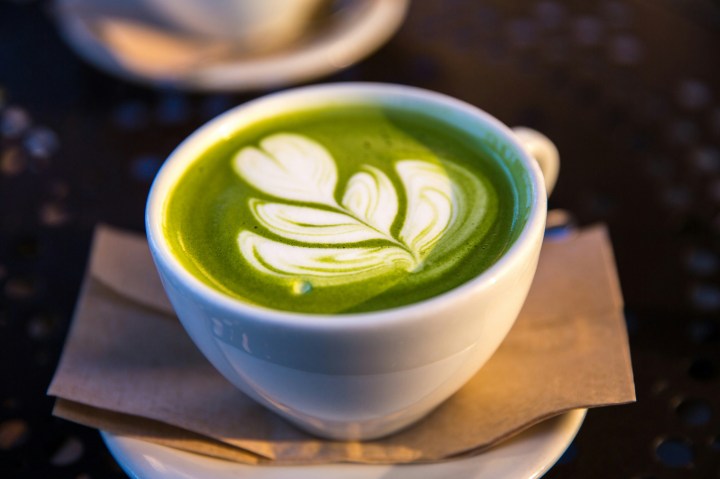
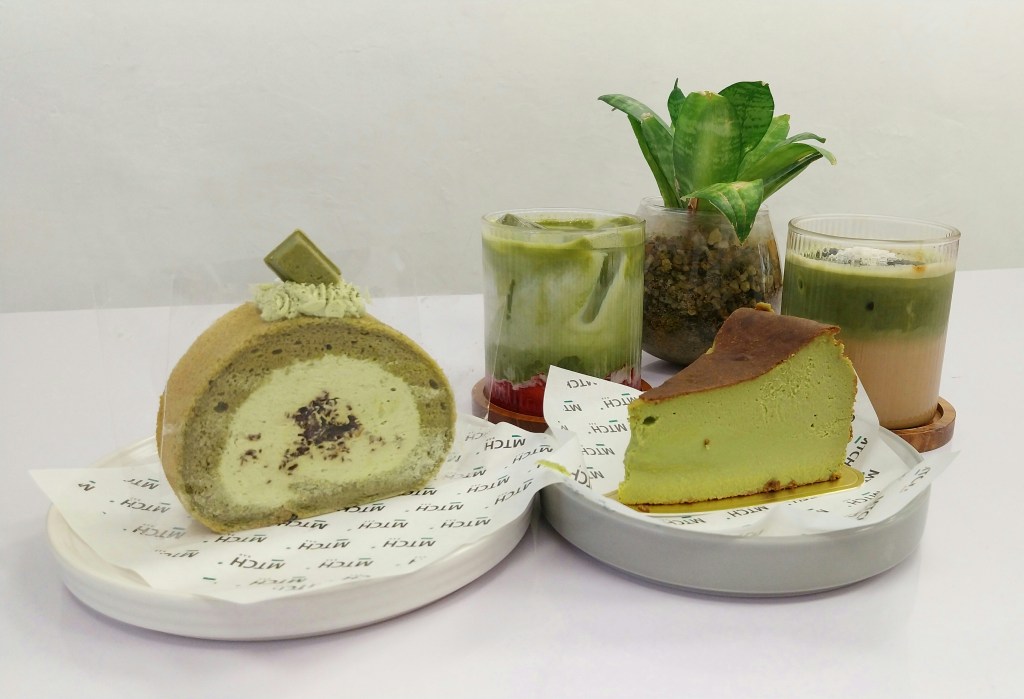
Matcha is a type of green tea, made from the powdered leaves of the Camellia sinensis plant. Originally served at tea ceremonies in Japan, and has been consumed there for more than a thousand years! Matcha tea is a type of green tea, drank by Buddhist monks to promote concentration and energy. Although from the same plant as green tea, matcha is grown differently and as a result has a unique nutrient profile. Drinking one cup of Matcha equals drinking 10 cups of green tea. You can drink it hot or iced, and it has some great health benefits.

Focused Mind: Matcha gives you energy and also promotes focus and relaxation in your mind. Matcha green tea also sharpens your mind, and It is said that matcha powder gives you a Calm Alertness.

(Photo credit: Natasha-T)

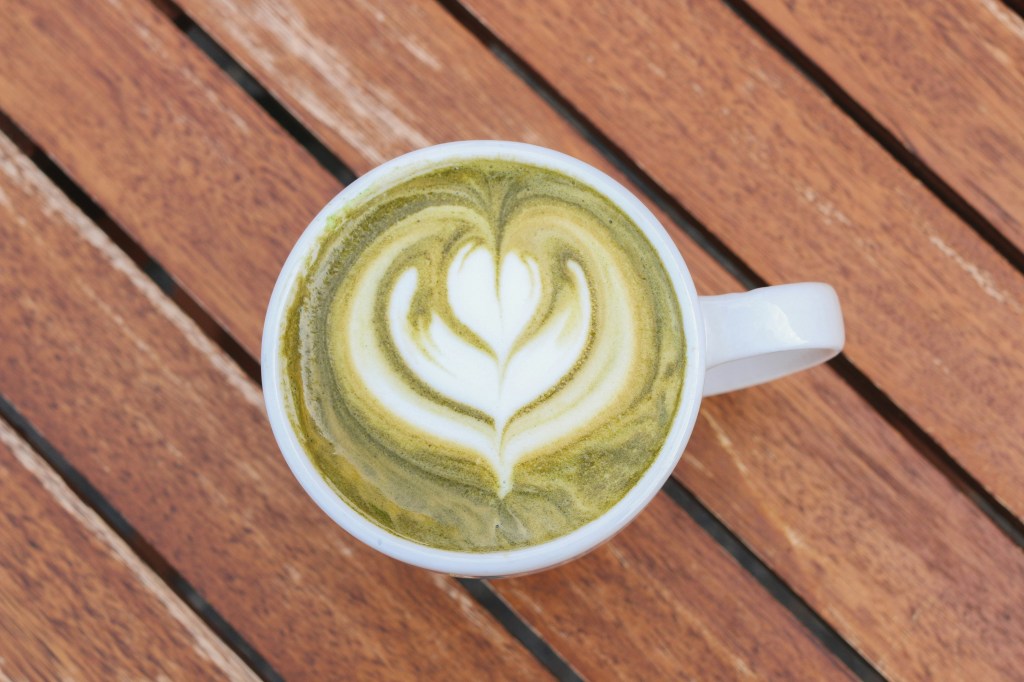
Strengthens Immune System: Matcha helps give you a strong immune system, not just during winter but all year long. So, really one matcha a day does keep the doctor away! The antioxidants in matcha are also good for your oral health.

Burns Fat and Boosts Metabolism: Matcha green tea burns fat and boosts your metabolism. It also detoxes your body.

(Photo credit: Rigel-Dmp)

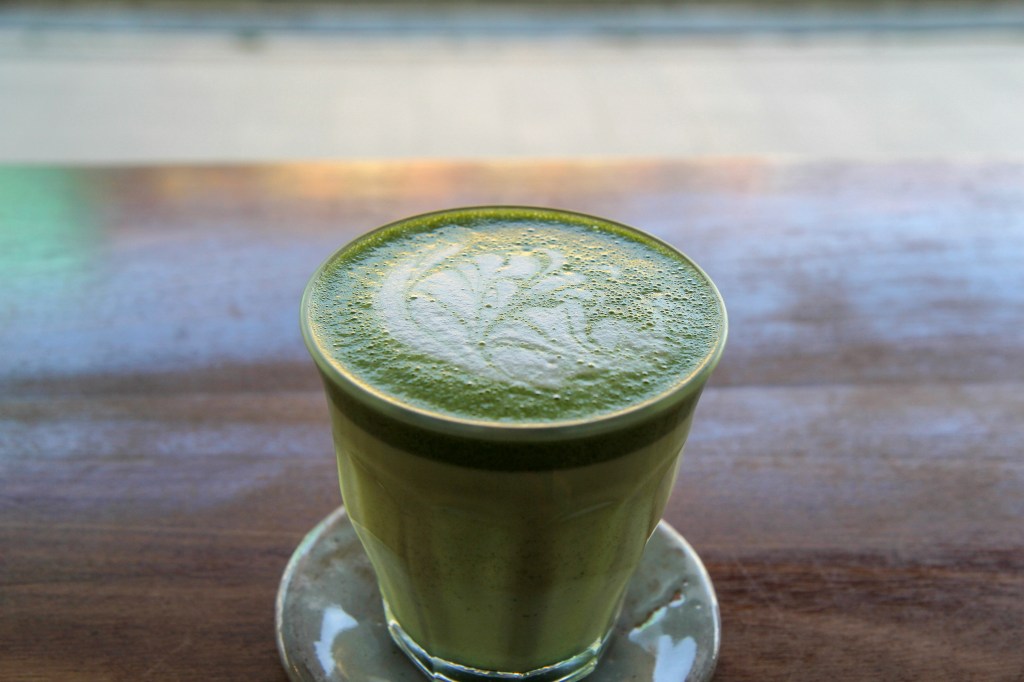
Great for your skin: It’s rich in antioxidants and nutrients and contains compounds that can help you with all kinds of skin problems. From dry or irritated skin to acne-prone skin, all skin types can benefit from the health benefits of matcha. It can even help with premature aging and psoriasis and of course give you a healthy glow!

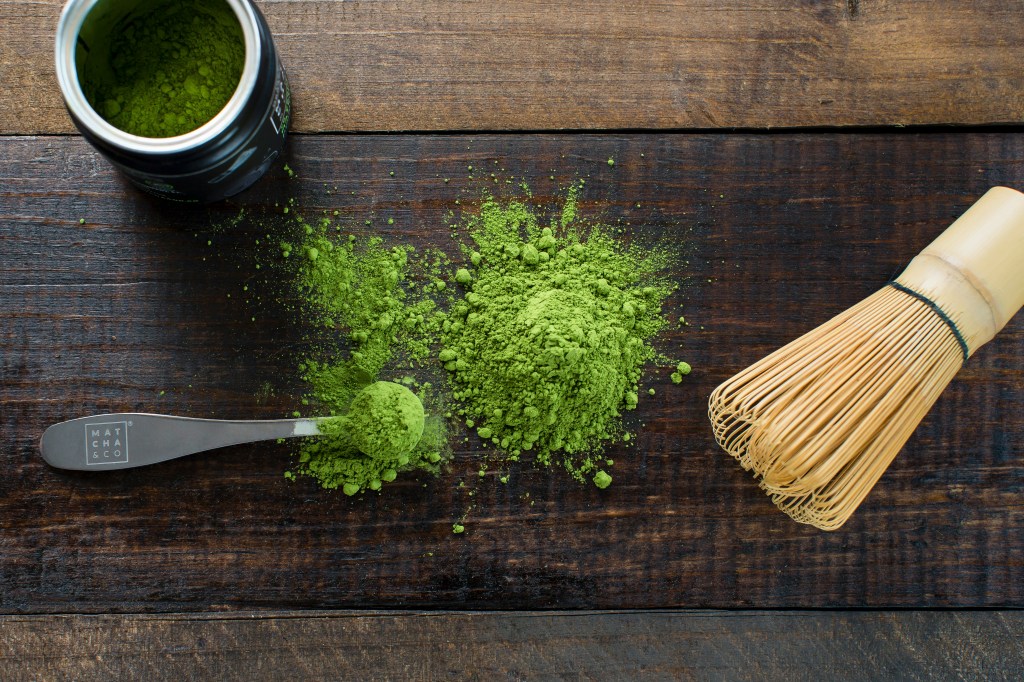
How to prepare matcha tea: You need matcha powder and a small bamboo whisk. Boil water and let it sit for a bit, so it’s not too hot. Add 1 or 2 scoops of matcha powder (depending on how strong you like it). Whisk the tea until it’s frothy. You can add to your iced or hot latte, and it even tastes great in a smoothie. Enjoy!

(Photo credit: Matcha-Co)

Not only is matcha used for tasty beverages, those with a sweet tooth can also use matcha in their ingredients for cookies, cakes, breads, muffins and even ice cream.

(Photo credit: Edwin-Petrus)

Shelley & Michelle xx

The Importance Of Self-Care

The Importance Of Self-Care

Self-care means taking the time to do things that help you live well and improve both your physical health and mental health. This can help you manage stress, lower your risk of illness, and increase your energy. Even small acts in your daily life can have a big impact. There are various forms of self-care. Take a look at a few tips below.

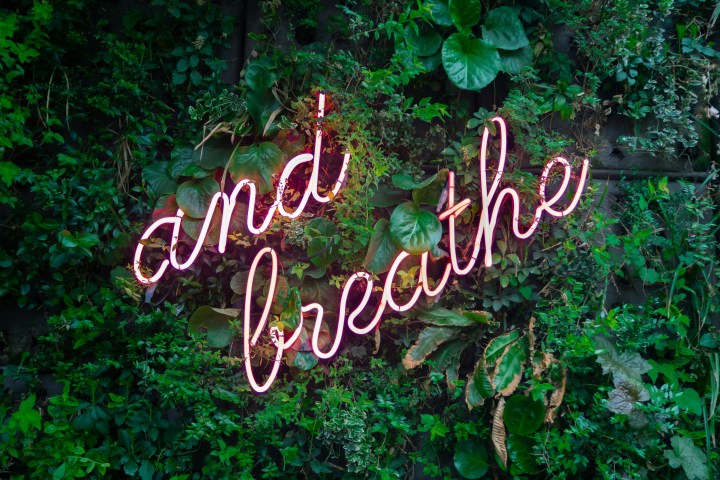
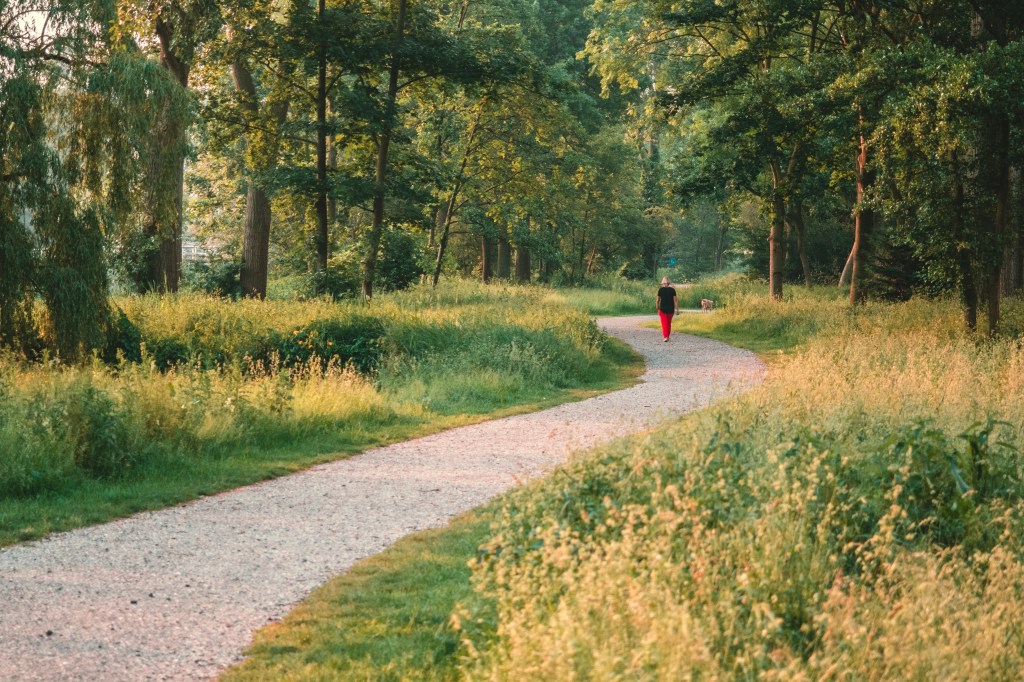
Try a relaxing activity: Explore relaxation, wellness programmes or apps, which may incorporate meditation, muscle relaxation, or breathing exercises. Schedule regular times for these and other healthy activities you enjoy, such as listening to music, reading, spending time in nature, and engaging in low-stress hobbies.

(Photo credit: Kaylee Garrett)

Set goals and priorities: Decide what must get done now and what can wait. Learn to say “no” to new tasks if you start to feel like you’re taking on too much. Try to appreciate what you have accomplished at the end of the day.

Practice gratitude: Remind yourself daily of things you are grateful for. Be specific. Write them down or replay them in your mind. Try to focus on positive things, and if that seems difficult at times, Identify and challenge the negative and unhelpful thoughts.

(Photo credit: Carli Jeen)

Regular exercise, eating healthy and staying hydrated: Of course we would include exercise! Just 30 minutes of walking every day can boost your mood and improve your health. Small amounts of exercise add up. A balanced diet and plenty of water can improve your mood, energy and focus throughout the day.

(Photo credit: Frank Holleman)

Surround yourself with positive people: Choose to spend time with people who make you feel good, that have great energy, and learn to love yourself!

(Photo credit: Annie-Spratt)

Shelley & Michelle xx
5 Benefits of Cardio Training

5 Benefits of Cardio Training

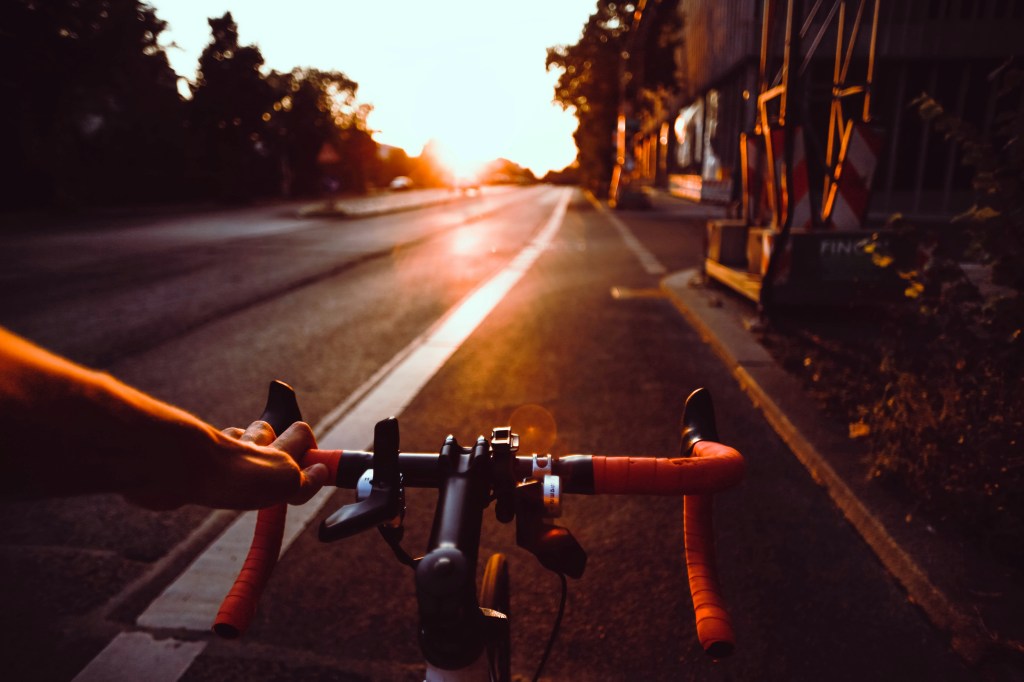
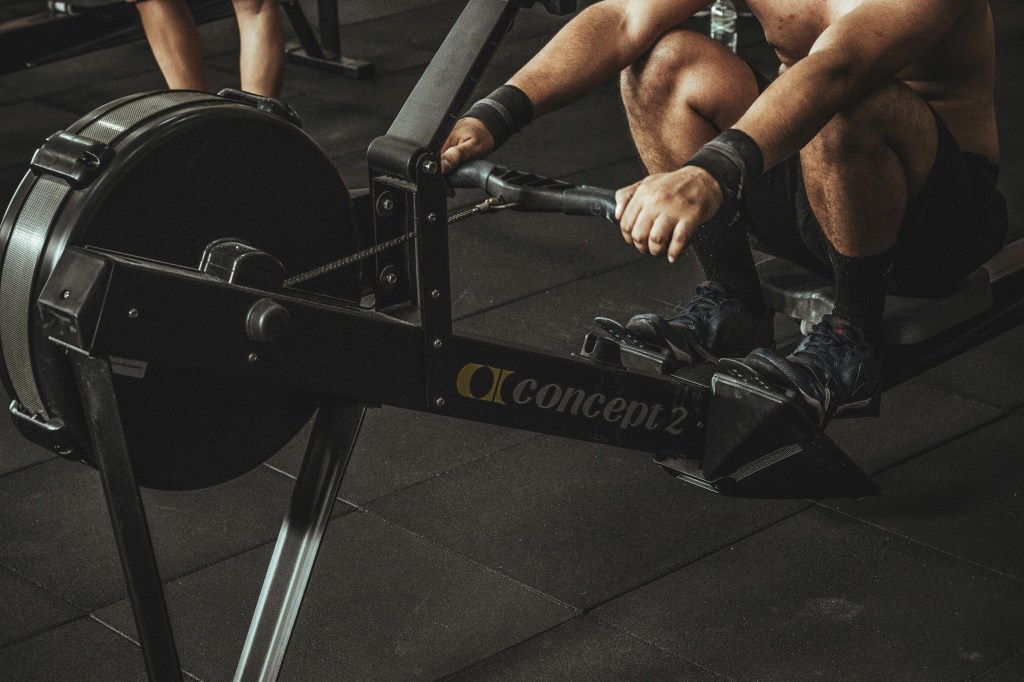
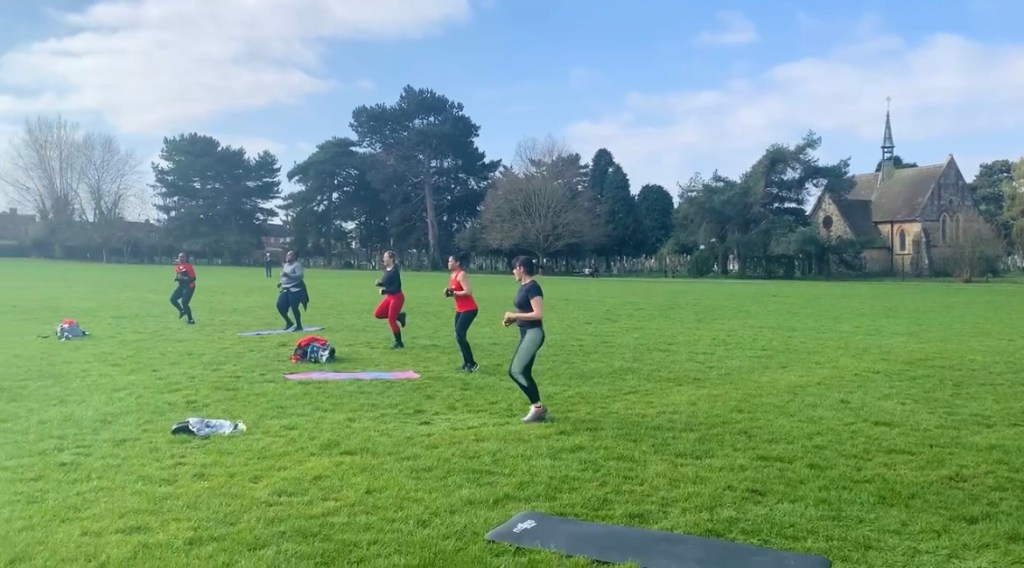
We love to get a sweat on, and we get just that during a cardio workout. Aerobic exercise is also known as cardiovascular fitness. Cardio helps improve heart health, tone muscle, and support weight loss. It is said that regular aerobic activity such as walking, cycling or swimming, can help you live longer and healthier. Cardio is great in getting the blood pumping around your body, and also gets your large muscle groups working.

Photo Credit: Florian-Kurrasch

If you are just starting to get into fitness, or have been inactive for a long time. Always remember to start with small steps and begin exercising slowly. For example take a brisk walk on the treadmill for five minutes, and the next time add another few minutes and pick up the pace a bit. If you do this frequently you will see and feel the benefits.

Increases your stamina, fitness and strength: You may feel tired when you first start regular cardio exercise. But if you keep at it you will enjoy increased stamina and reduced fatigue. Cardio combined with a healthy diet also helps you lose weight and also keep it off.

Photo Credit: Victor-Freitas

Helps with sleep: If you’re having trouble sleeping at night, it is said that regular cardio is an effective treatment for insomnia. Certain studies suggest that moderate-intensity cardio is better than more intense exercise for sleep. Exercising too close to bedtime may make it more difficult to sleep so try to finish your workout at least two hours before bedtime.

Get the kids moving! Cardio is great for most groups of people (when done in a safe way). The exercise is recommended for those who are older and it’s great to get the kids involved in regular exercise that they enjoy, including swimming, running, cycling, skipping and dancing. Aim to get them moving for at least 60 minutes or more each day, three days each week. It will tire them out and give you more of an evening to yourself!

Photo Credit: Mariano-Nocetti-

Affordable and accessible workouts: You really don’t need any fancy equipment or a gym membership to work out. Getting daily exercise can be as easy as taking a walk or going for a run. One of our fave workouts to do at home is browsing Youtube for a 10-20 minute Hiit workout, and if you have the energy push yourself for a longer workout.

Slows aging: Research shows that regular exercise can help slow the body’s aging process. Moderate to intense exercise may even slow aging by 10 years!

Whatever you choose, it’s important to do it consistently. To stay motivated, choose an activity you enjoy or that you can do with a friend. And make exercise a priority by setting aside time for it in your day to day.

Shelley & Michelle xx