Reasons why you should add skipping to your workout routine

Reasons why you should add skipping to your workout routine

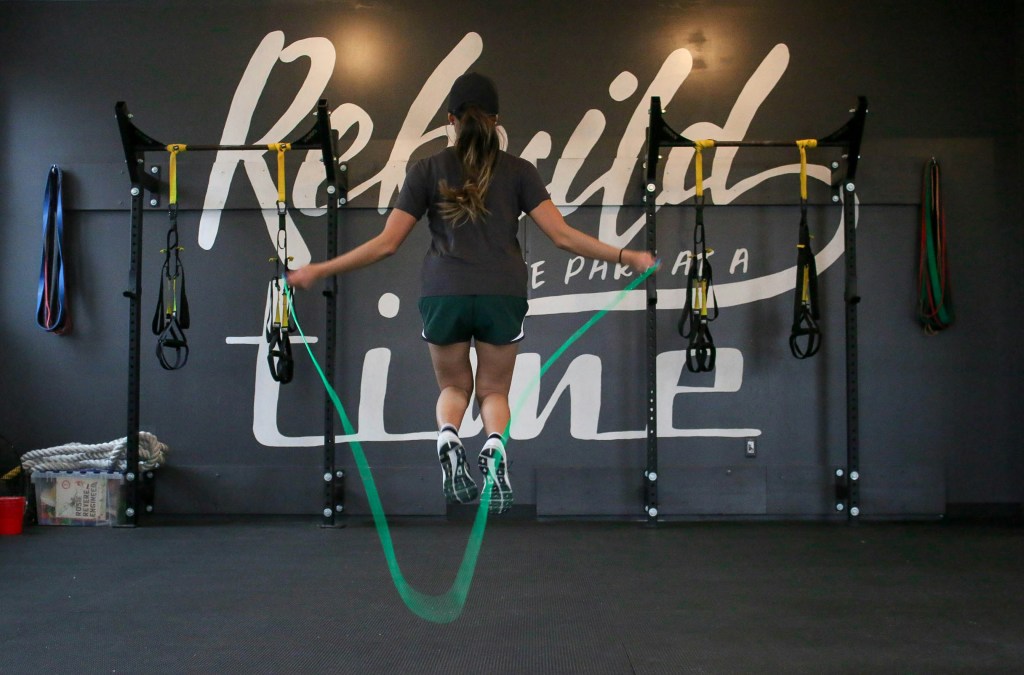
As kids, most of us spent our time skipping rope in the garden with our siblings and family members, or at the school playground with friends. It was so much fun we didn’t even realise it’s such a good way to get in some exercise, and of course we had loads more energy back then! A skipping rope workout is one of the most effective and underrated exercises for full-body fitness. Whether your goal is fat loss, endurance, strength, or agility, skipping is one of the best ways of training. It’s easy to start, highly effective, and requires minimal space making it the perfect workout for busy lifestyles and the best part is, you can incorporate skipping into your routine at anytime.
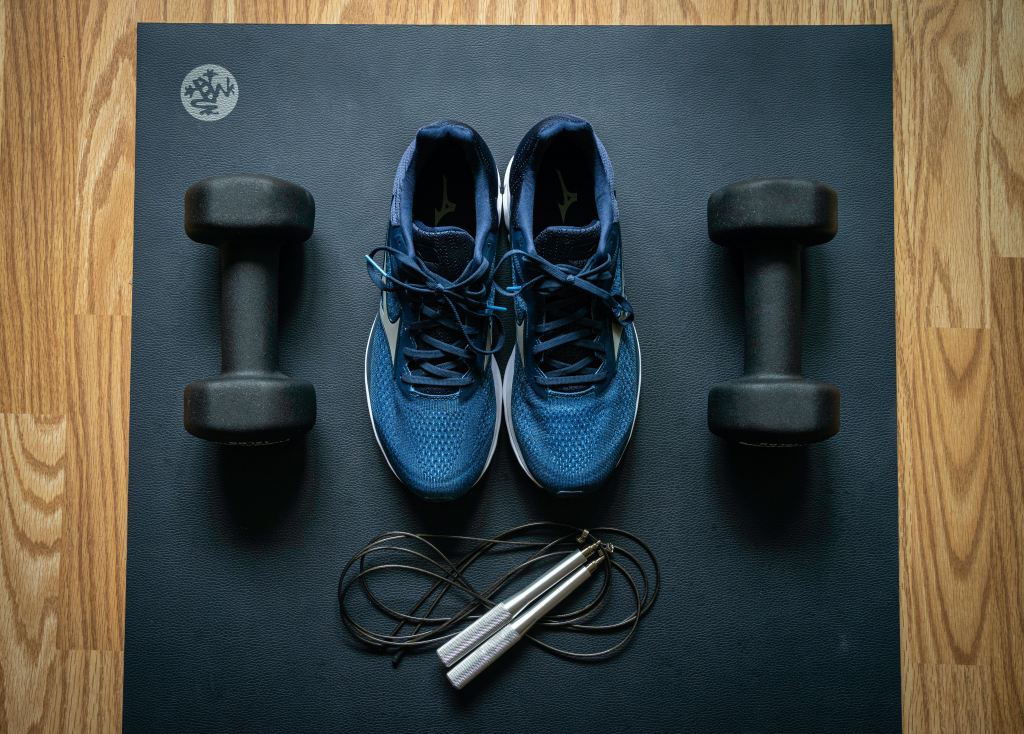
(Photo Credit: Element5-Digital)

Can improve coordination and balance: Adding skipping to your workout routine can be a great way to improve your balance and coordination. Learning to skip rope involves the coordination of your arms, legs, and torso while also keeping a constant rhythm. You decide how fast you’re jumping and rotating the rope, which means you can slowly build your coordination and balance based on your needs.

Improves cardio fitness: Skipping is great for improving your cardio fitness. Jumping continuously for a period of time increases your heart and respiratory rate. Over time, this can strengthen your heart and improve your lung capacity, allowing you to exercise for longer.

Strengthens muscles: Skipping rope relies on your lower body muscles such as your calves, thighs, and bottom. And upper body including your shoulders, biceps and abdominal muscles. This not only helps improve muscle strength but also muscular endurance, which allows your muscles to exercise for longer.

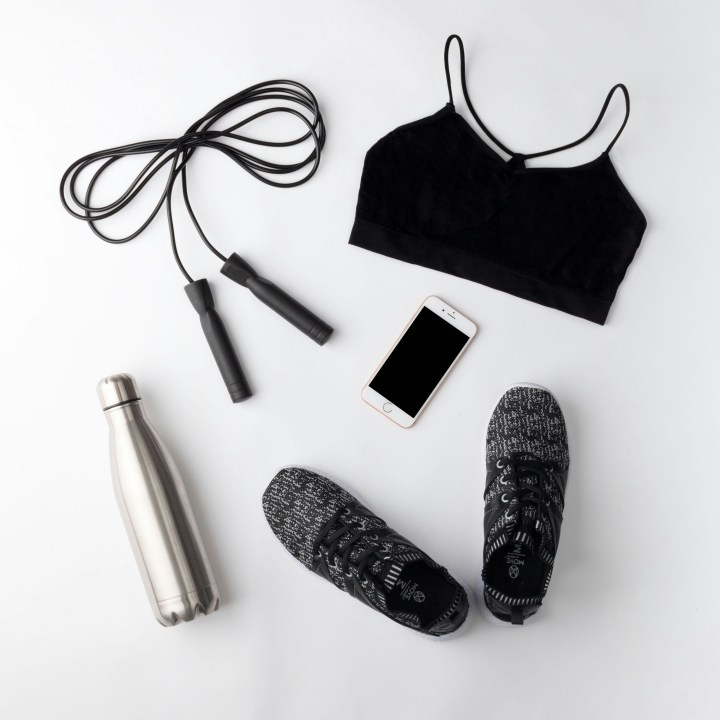
(Photo Credit: Kelly-Sikkema)

Apart from helping improve your coordination, getting your heart rate going and burning calories. Another benefit is that it’s an easy and affordable way to get some cardio in. So buy a skipping rope and get skipping! It can be done almost anywhere – just try to avoid knocking over your furniture.

Shelley & Michelle xx
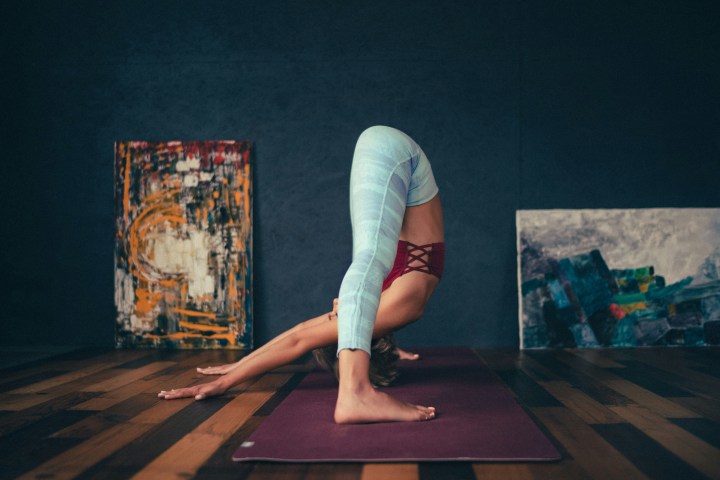

5 Hot Yoga Benefits For A Healthier Mind And Body

5 Hot Yoga Benefits For A Healthier Mind And Body

Hot yoga is a type of yoga practiced in a heated room, usually between 32–40°C. The heat and humidity can cause those taking part to sweat a lot. The heat is designed to promote deeper stretches and sweating by raising your core body temperature. Some hot yoga practices seek to replicate the heat and humidity of India where yoga originated.

We tried hot yoga recently and it is intense due to the added heat, which increases your heart rate and makes it more challenging to hold poses, compared to regular yoga practiced at room temperature, but you feel amazing afterwards. We always like to dig a little deeper into the new hobbies we take on. Below we’ve listed the incredible benefits from a hot yoga workout.

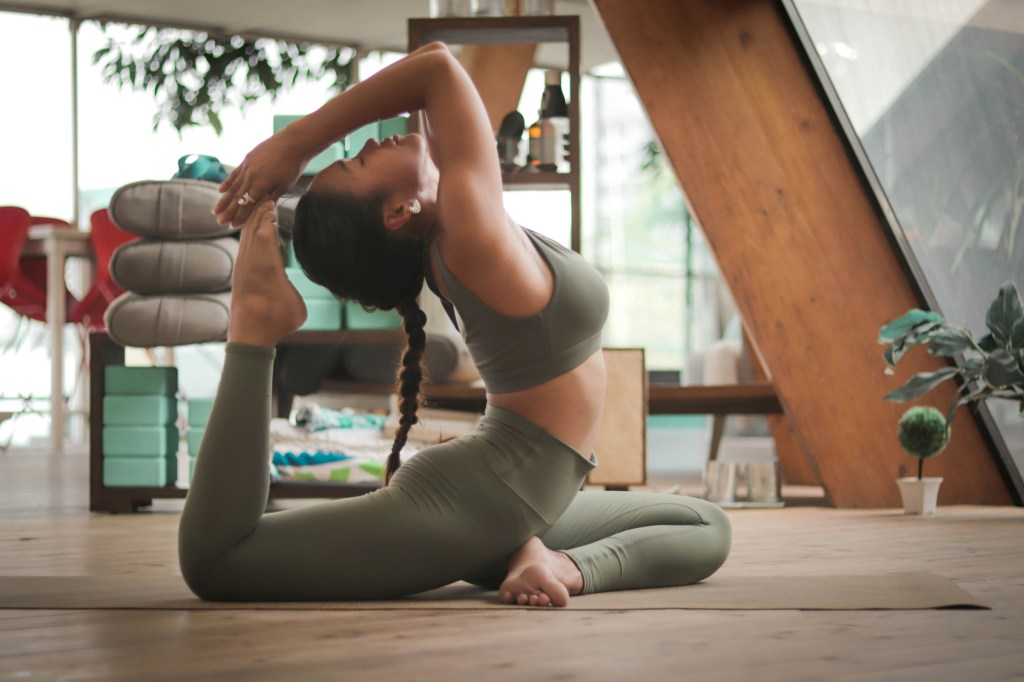
Flexibility: The heat can help muscles warm up, allowing for deeper poses, improves flexibility, balance and strengthens the muscles.

(Photo Credit: Carl-Barcelo)

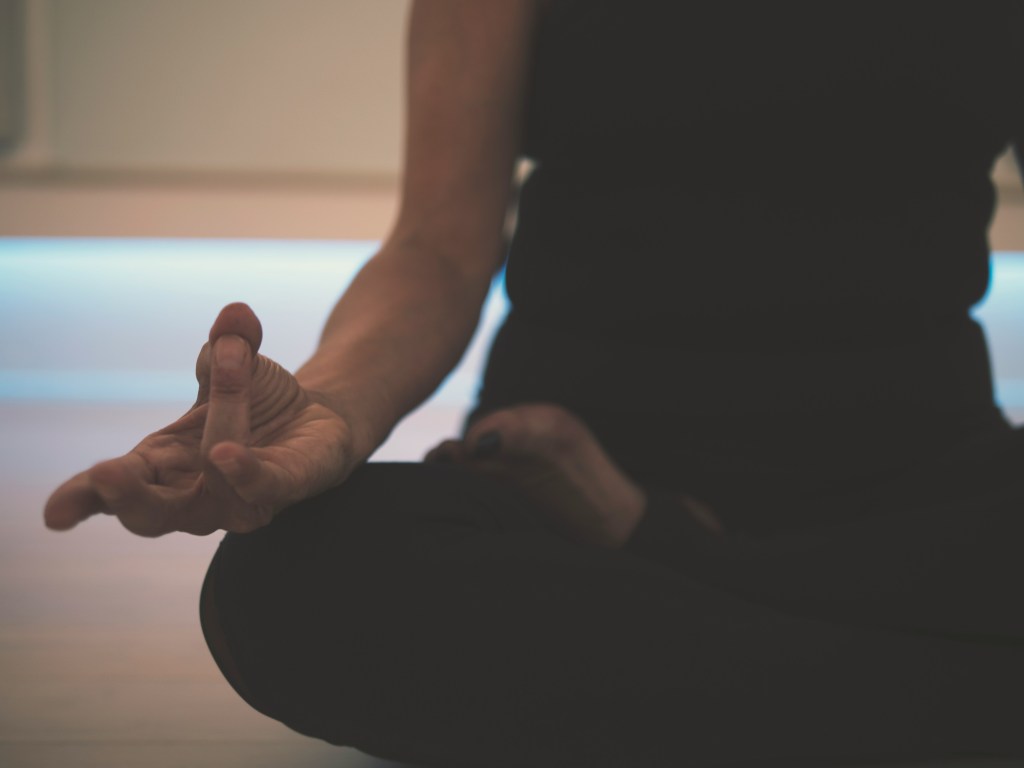
Mental health: The heat helps with mental clarity and concentration, and can help relieve stress. Yoga, in general, can help reduce stress levels and reduces anxiety.

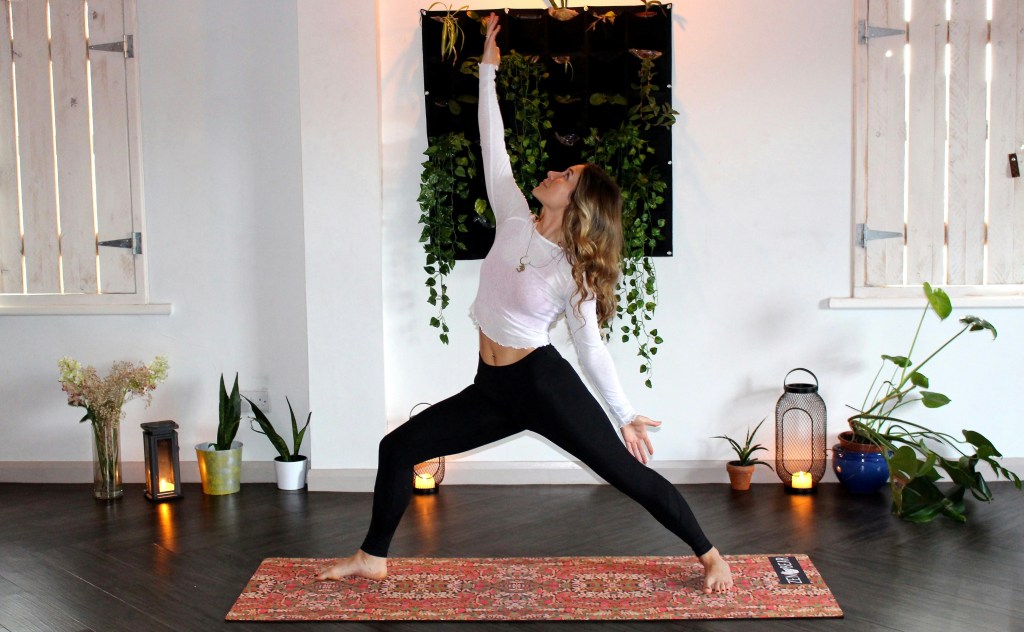
Cardio health: The heat can increase heart rate, which may help improve cardiovascular health and endurance. The high temperature in hot yoga can make it more intense than a traditional yoga class. It makes the heart, muscles, and lungs work harder and boosts metabolism.

(Photo Credit: Zen-Bear-Yoga)

Improves skin: Sweating can improve blood flow which helps deliver nutrients to the skin cells. The heat can increase circulation and help the skin glow.

Burns more calories: The heat and the time a person holds challenging poses can help you burn more calories in hot yoga than in traditional yoga.

(Photo Credit: JD-Mason)

Always remember to keep a bottle of water nearby. Due to the high heat, it’s crucial to stay hydrated before, during, and after a hot yoga class. 

Shelley & Michelle xx

What is Reiki?

What is Reiki?

Reiki is a Japanese healing technique that uses gentle touch to promote relaxation and well-being. A reiki practitioner places their hands just above your body to help guide energy within in a way that leads to balance and healing. Reiki is often used to reduce stress and anxiety, and is intended to help people feel more relaxed and peaceful.

Founded by Mikao Usui in the early 1900s who originated the practice in Japan. It is said that Usui taught his system of reiki to more than 2,000 people during his lifetime.

(Photo credit: Jeremy-Yap)

The term comes from two Japanese words: “rei,” which means universal, and “ki,” which translates to a flow of a lifeforce of energy that happens in all living things.

Reiki is a complementary or alternative health approach. It does not directly cure an illness or get rid of any health conditions and it’s not a medical treatment. Health benefits of reiki may include: reduction of pain and fatigue levels, depression, anxiety, and stress relief, improved sleep quality, pre-surgery anxiety, fear, pain relief, emotional healing and blood pressure management.

(Photo credit: Conscious-Design)

Reiki is considered a form of energy healing and sessions usually last about 60 to 90 minutes to make time for relaxing deeply and energy flow.

We had our first Reiki session last year and left feeling so relaxed, we’ll definitely book in for a second session!

Shelley & Michelle xx

The Power Of Sound Baths

The Power Of Sound Baths

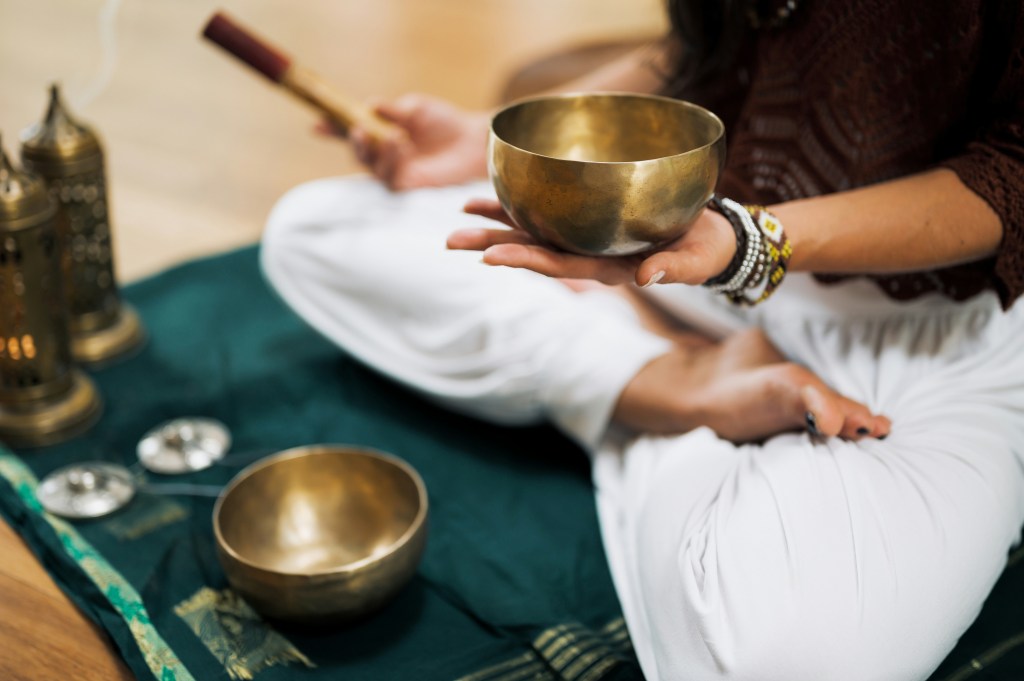
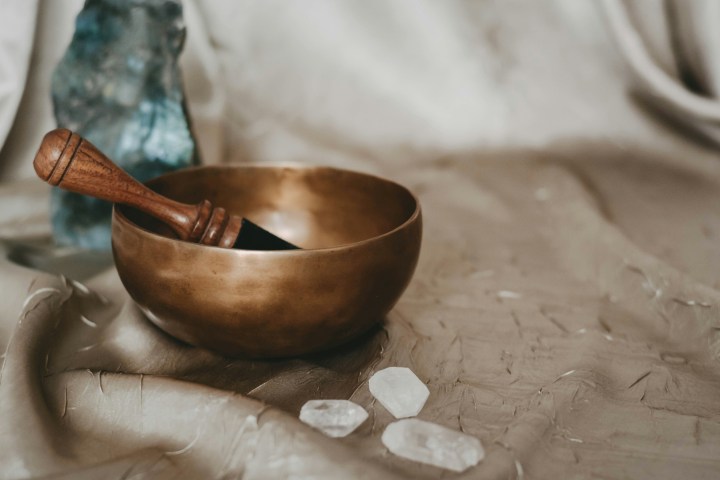
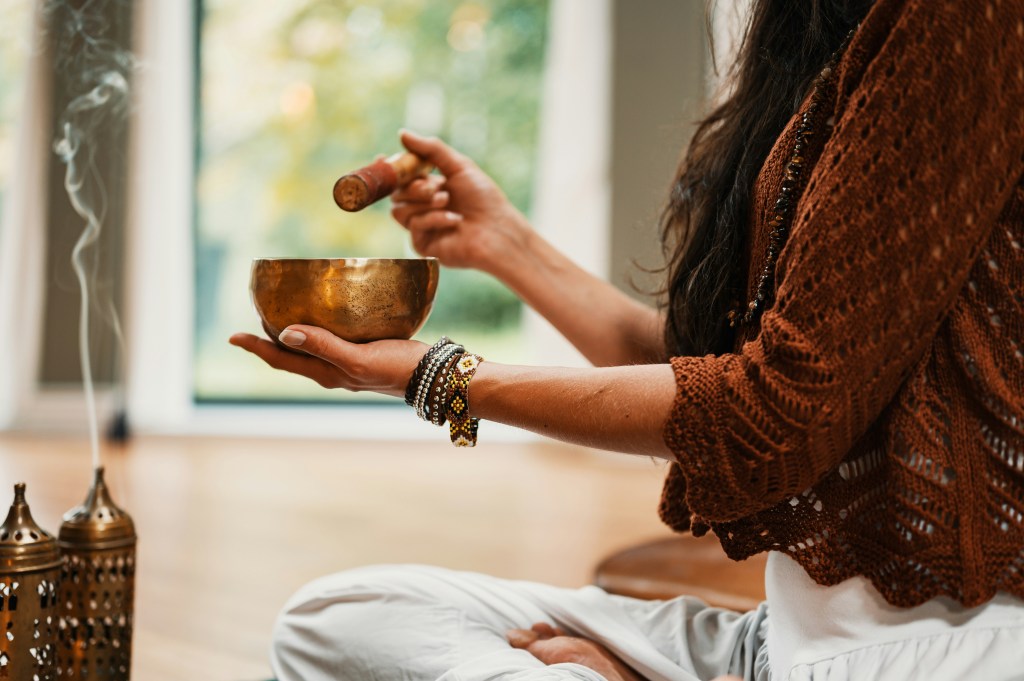
We meditate often and have recently taken our much-needed zen time more deeper with sound baths. The practice of healing bodies through sound is technically thousands of years old with deep roots in cultures across the world. A sound bath is a meditative experience where those who attend a session are “bathed” in sound waves. These waves are produced by various sources, including healing instruments such as gongs, singing bowls, percussion, chimes, rattles, tuning forks, and even the human voice itself.

(Photo credit: Magic-Bowls)

This “spiritual, cleansing music” varies according to place and culture, but it can be as simple as chanting an om following your yoga session or as complex as an hour-long experience in a dedicated space with a sound practitioner.

(Photo credit: Susanna-Marsiglia)

During the sound bath, you often lie on your back and get as comfortable as possible, with a pillow and blanket wrapped over you making the experience as cosy and relaxed as can be.

The different frequencies emitted by gongs, chimes and Tibetan bowls work to soothe the mind and heal the body, stimulating the brainwave frequencies associated with total relaxation and switching on the nervous system’s repair mode.

(Photo credit: Julio-Lopez)

This ancient practice has numerous physical and mental health benefits too, including better sleep, improved mood, reduced stress and unblocking chakras. Chakras are centers of spiritual energy or power, a concept that comes from Hinduism. It may also help treat conditions, such as depression and anxiety.

(Photo credit: Conscious-Design)

After a sound bath, you may be advised to move slowly when transitioning to a seated position. Other advice after a sound bath ends can include staying hydrated, getting rest, and staying relaxed.

(Photo credit: Frames-For-Your-heart)

There are many locations in the UK and around the world that do sound bath sessions. Or if you prefer to take part in the comfort of your own home, you can always listen to a sound bath recording on YouTube, or there are a number of sound bath apps which you can download.

Shelley & Michelle xx

Benefits Of Kettlebell Training

Benefits Of Kettlebell Training

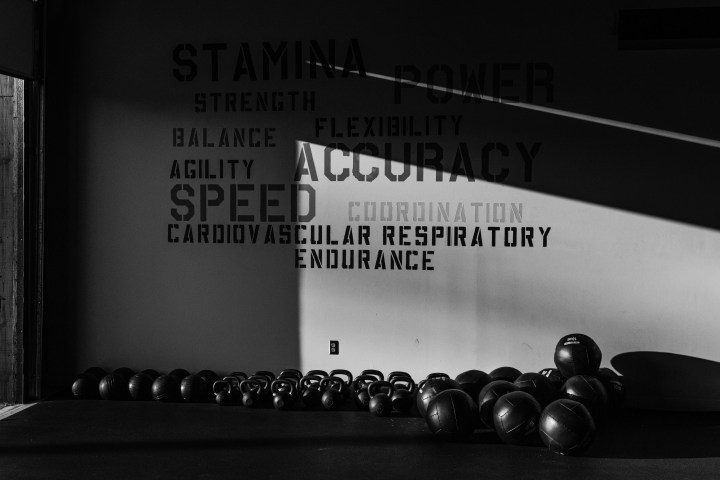
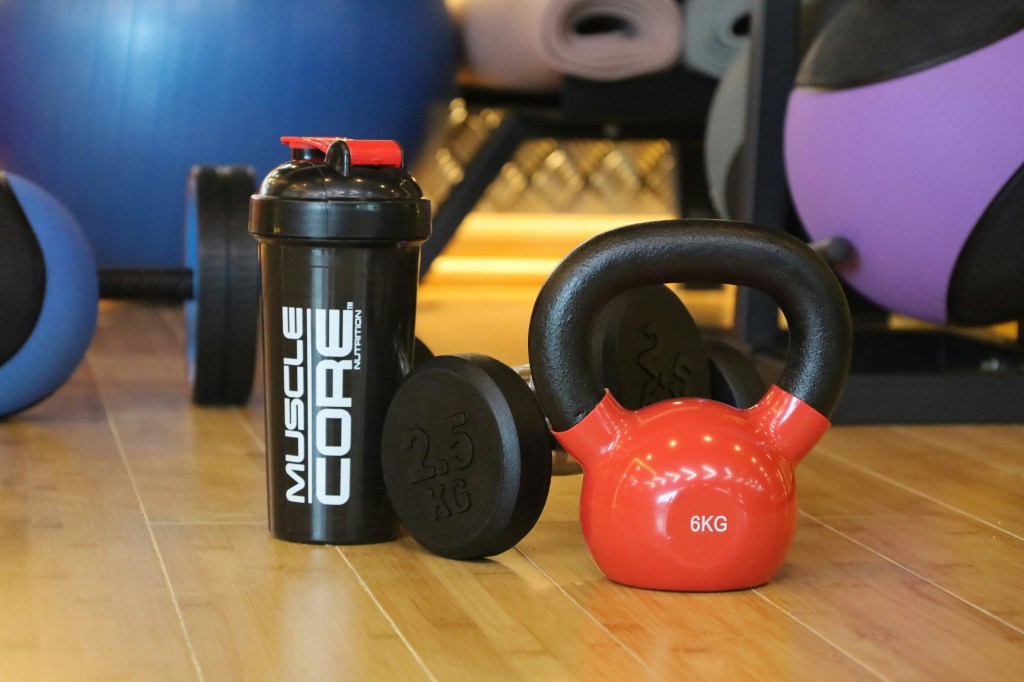
Kettlebells have been used for centuries, originating in Russia. Kettlebells (called girya in Russian) are associated with great power and strength. They were originally used as counterweights to measure the weight of goods, but were eventually used in strength competitions. Today the weights are featured in gyms and exercise classes. Kettlebells work several muscle groups at a time. Holding a lot of weight by a handle engages your arm, leg, shoulder, back, and abdominal muscles. The pull on your muscles helps to strengthen them. Kettlebells are also said to help strengthen back muscles and improve posture.

Low impact exercise: Kettlebells keep your feet planted on the ground, which reduces force and pressure on your knees. For some people, this may be a better option for getting the heart pumping than higher impact exercises such as jump training.

Full-body workout: Kettlebell swings use your upper body, core, and lower body for a great full-body workout.

(Photo credit: Ambitious-Studio-Rick-Barrett)

Calorie burn: The workouts are high intensity and can burn a lot of calories in a short time. And you may burn more calories after the workout due to post-exercise oxygen consumption, which is a temporary increase in metabolism to support recovery.

(Photo credit: Pixie-Be)

Quick exercise: Most kettlebell workouts can be completed in as little as 10–15 minutes and require only a kettlebell to get started.

Better cardiorespiratory fitness: Kettlebell swings involve your whole body, which requires your heart to beat faster and pump blood throughout your body.

(Photo credit: Nexa-Black)

Shelley & Michelle xx

The Importance Of Self-Care

The Importance Of Self-Care

Self-care means taking the time to do things that help you live well and improve both your physical health and mental health. This can help you manage stress, lower your risk of illness, and increase your energy. Even small acts in your daily life can have a big impact. There are various forms of self-care. Take a look at a few tips below.

Try a relaxing activity: Explore relaxation, wellness programmes or apps, which may incorporate meditation, muscle relaxation, or breathing exercises. Schedule regular times for these and other healthy activities you enjoy, such as listening to music, reading, spending time in nature, and engaging in low-stress hobbies.

(Photo credit: Kaylee Garrett)

Set goals and priorities: Decide what must get done now and what can wait. Learn to say “no” to new tasks if you start to feel like you’re taking on too much. Try to appreciate what you have accomplished at the end of the day.

Practice gratitude: Remind yourself daily of things you are grateful for. Be specific. Write them down or replay them in your mind. Try to focus on positive things, and if that seems difficult at times, Identify and challenge the negative and unhelpful thoughts.

(Photo credit: Carli Jeen)

Regular exercise, eating healthy and staying hydrated: Of course we would include exercise! Just 30 minutes of walking every day can boost your mood and improve your health. Small amounts of exercise add up. A balanced diet and plenty of water can improve your mood, energy and focus throughout the day.

(Photo credit: Frank Holleman)

Surround yourself with positive people: Choose to spend time with people who make you feel good, that have great energy, and learn to love yourself!

(Photo credit: Annie-Spratt)

Shelley & Michelle xx

The importance of warming up and cooling down

The importance of warming up and cooling down

Warming up and cooling down plays such an important role in your fitness routine, and may offer help in reducing the risk of injury and improving your athletic performance. Before you jump on the treadmill or lift those weights, do a short warm up first. And try following your workout with a quick cool down session. A warm up and cool down may add a few minutes to your exercise routine. But might also lower stress on the heart and other muscles.

Why you should warm up and cool down: Warm ups and cool downs generally mean doing your activity at a slower pace and lowered intensity. It helps get the body ready for aerobic activity. A warm up literally does what it says on the tin! It’s intended to prepare the body for the physical activity you are about to complete. This might be a gym session, cardio exercise, a sports training session or a competitive match. A warm up should always include some low-intensity aerobic exercise and stretching. To prepare your body for exercise a warm up should last from 5-10 minutes.

The cool down after your workout is all about lowering the body temperature and heart rate back to normal. A cool down will normally include very light aerobic activity and stretching. It will help the muscles to further relax and return back to their normal range of movement.

(Photo Credit: Luemen Rutkowski)

How to warm up and cool down: Warm up right before you workout. Focus on large muscle groups, such as the hamstrings. Then you can do exercises more specific to your sport or activity. Start at a low, slow pace that slowly builds in speed and intensity. A warmup may cause a little sweat, but generally won’t leave you tired.

(Photo Credit: Liveology Yoga Magazine)

Cooling down is similar to warming up. You generally keep doing your workout session for five minutes or so. But you go at a slower pace and lower intensity. Always cool down straight after your workout

Finding time for regular aerobic workouts plus warming up and cooling down can be hard. But with a little creativity, you can probably fit it all in. For example, you can walk to and from the gym for your warm up and cool down…depending on how far your gym is of course!

Shelley & Michelle xx

Ways To Detox Your Body

Ways To Detox Your Body

There’s no better way than feeling healthy and full of energy. At the start of the year we decided to have a month of pure detoxification which involved cutting out fizzy drinks, red meats, alcohol and snacks, including sweet treats and crisps. It wasn’t the easiest thing to take on in January, but we are happy to say that we stuck to it and feeling great!

If you are thinking of getting healthier this year, or need more of an insight into doing so, take a look at a few tips below.

Drinking more water: Water does so much more than quench your thirst. It regulates your body temperature, aids digestion and nutrient absorption, and detoxifies your body by removing waste products. Water transports waste products, removing them through urination, breathing, or sweating. So staying properly hydrated is important for detoxification. It is said that the daily water intake for most adults is about 2 to 2.5 litres which is around 8 glasses. You may need more or less depending on your diet or your activity level. To make water that little bit more tastier, we add a slice of lemon and mint!

(Photo credit: Mariah-Hewines)

Focus on sleep: Getting quality sleep each night supports your body’s health. Sleeping allows your brain to recharge itself. Not getting enough sleep can lead to stress, anxiety, high blood pressure, heart disease, type 2 diabetes, and obesity. It is said that we should regularly sleep 7 to 9 hours per night to help gain and maintain good health. If you have difficulties staying or falling asleep at night, try to relax before bed by taking a hot bath, reading a book or stick to a sleep schedule and limit using your phone before bed.

(Photo credit: Toa-Heftiba)

Limit your intake of sugar and processed foods: Even thought this can be so difficult at times, but you can keep your body’s detoxification system healthy by consuming less junk food. You can limit junk food by just leaving it on the shop shelf. Not having it in your kitchen takes away the temptation altogether, and replacing junk food with healthier choices like fruits and vegetables is also a healthy way to reduce consumption.

(Photo credit: Vinicius-Amnx-Amano)

Gut health: Gut health is so important for keeping your detoxification system healthy. Prebiotics is a type of fibre that feeds the good bacteria in your gut. Eating foods rich in prebiotics can keep your immune and detoxification systems healthy. Good food sources of prebiotics include tomatoes, artichokes, bananas, asparagus, onions, garlic, and oats.

(Photo credit: Cleo-Stracuzza)

Shelley & Michelle xx

5 benefits of weight training

5 benefits of weight training

If you want to improve your health It is said that weight training is a way to achieve this. It involves using one or more muscle groups. Weight training is also known as strength training, resistance training, and muscular training. The definition of strength training is any physical movement in which you use your body weight such as, lifting weights, dumbbells, resistance bands or circuit training. This builds muscle mass, strength and endurance.

Makes you stronger: Strength training helps you become stronger. It helps improve performance in sports that require speed, power, and strength. Gaining strength allows you to perform everyday tasks much easier, such as carrying heavy shopping bags or running / walking up a flight of stairs.

Makes your bones stronger: Weight-bearing exercises put temporary stress on your bones, sending a message to bone-building cells to take action and rebuild bones stronger. Having strong bones reduces your risk of osteoporosis, fractures, and falls, especially as you age. The great news is, you can reap the bone-strengthening benefits of strength training at any age.

Improves your mood: It is said that regular weight training may boost your mood and improve your mental health such as reduce anxiety. The great thing about exercise is that it releases endorphins, which can put you in a great and positive mood.

(Photo credit: Delaney-Van)

Can help you appear leaner: When building more muscle and losing fat, you will appear leaner. Losing body fat and building stronger and larger muscles will achieve more muscle definition, creating a stronger and leaner appearance.

(Photo credit: Alexandra Tran)

Boosts your self-esteem: Strength training can add a boost to your self-confidence. It helps you overcome challenges, work towards a goal, and appreciate your body’s strength. It can increase your self-efficacy, the belief that you’re able to succeed at or perform a task which can improve your confidence.

Shelley & Michelle xx
Ways to clear your mind

Ways to clear your mind

There are many things we need to tackle daily. Emails, meetings, errands, making meals. The list is endless. Clearing your mind is a great way to reinvigorate yourself and complete your tasks to the best of your ability. Anxiety usually rises when we’re weighed down with worries, thoughts and upcoming projects. And to be completely honest life itself can be full of many challenges. Making time for yourself and your mind should be the number one go too. If your mind is not a 100% how can you be your best self.

It’s ok to say no: There are always things happening constantly in our day to day lives. Catching up with friends, family and work commitments. As the days go by it is easy to get caught up, and when you eventually stop you realise half of the year has gone by already. In life we have to prioritise and make decisions and you can’t always say yes. It’s ok to put your needs first and it’s ok to say no, especially if you are feeling rundown and overwhelmed. Saying no will reduce your stress, leave your mind clearer and leave you with valuable time for yourself. You can’t help others if you don’t take care of yourself first.

Take a break: Stepping away from phones, computer screens and what you’re currently working on will help you find space for whatever types of rest you need throughout the day. Plus, it will enhance your attention when you return to it. Take a deep breath when you can, do a short guided meditation, go out into the fresh air for a walk or run, read a chapter from your book, listen to music or take a nap. These are great ways to get things off your mind and improve memory.

(Photo credit: Jessica-Lewis)

Make a to-do list: Writing down what you need to accomplish in a day and even in life will help you stay organised and on track. Doing this lets you empty your thoughts on paper, freeing up space in your mind. By writing things down, that thought will no longer pop into your head every few days or hours.

(Photo credit: priscilla-du-preez)

Vocalise how you feel: We all need a little extra help from time to time. Even If you need to speak to someone other than friends and family, seek medical advice from a doctor or a therapist. Be honest about what you’re experiencing — to yourself, and others, too. If you’re feeling overwhelmed say so. Acknowledging and vocalising how you’re feeling will keep your mind at ease.

Shelley & Michelle xx