What is Reiki?

What is Reiki?

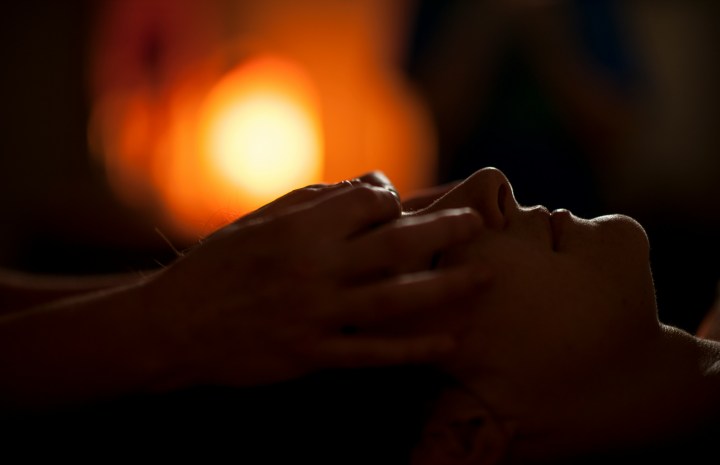
Reiki is a Japanese healing technique that uses gentle touch to promote relaxation and well-being. A reiki practitioner places their hands just above your body to help guide energy within in a way that leads to balance and healing. Reiki is often used to reduce stress and anxiety, and is intended to help people feel more relaxed and peaceful.

Founded by Mikao Usui in the early 1900s who originated the practice in Japan. It is said that Usui taught his system of reiki to more than 2,000 people during his lifetime.

(Photo credit: Jeremy-Yap)

The term comes from two Japanese words: “rei,” which means universal, and “ki,” which translates to a flow of a lifeforce of energy that happens in all living things.

Reiki is a complementary or alternative health approach. It does not directly cure an illness or get rid of any health conditions and it’s not a medical treatment. Health benefits of reiki may include: reduction of pain and fatigue levels, depression, anxiety, and stress relief, improved sleep quality, pre-surgery anxiety, fear, pain relief, emotional healing and blood pressure management.
(Photo credit: Conscious-Design)

Reiki is considered a form of energy healing and sessions usually last about 60 to 90 minutes to make time for relaxing deeply and energy flow.

We had our first Reiki session last year and left feeling so relaxed, we’ll definitely book in for a second session!

Shelley & Michelle xx
The Power Of Sound Baths

The Power Of Sound Baths

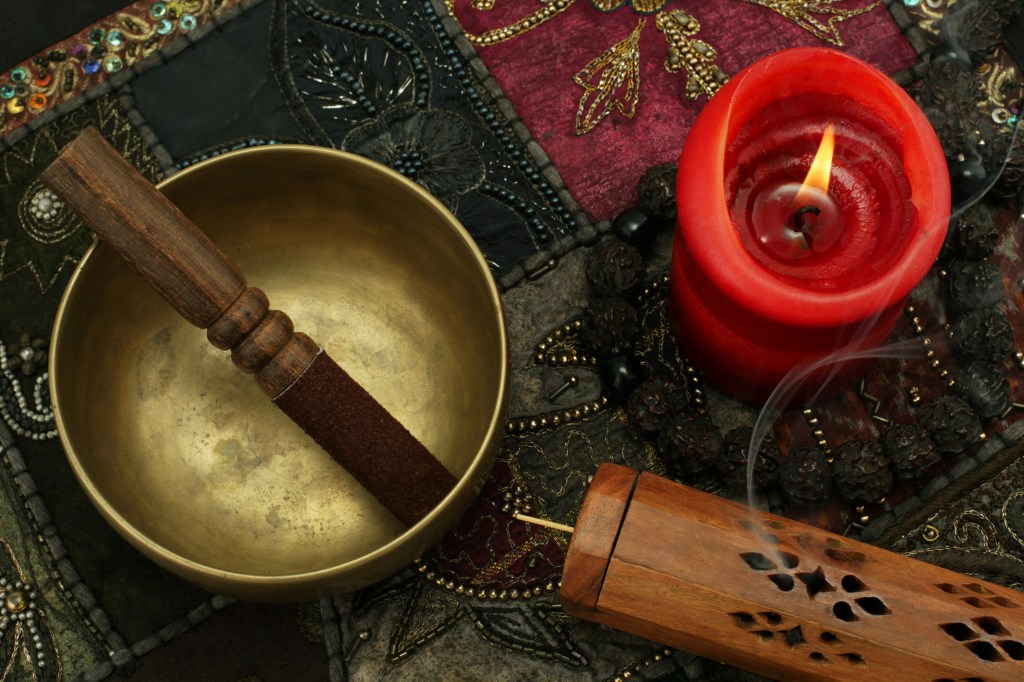
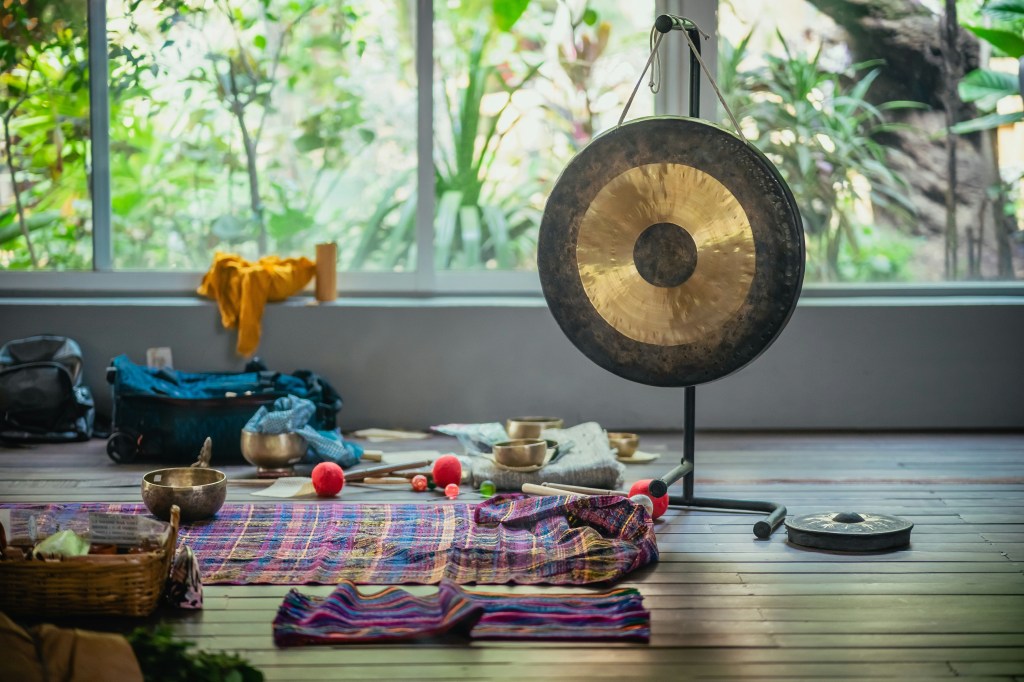
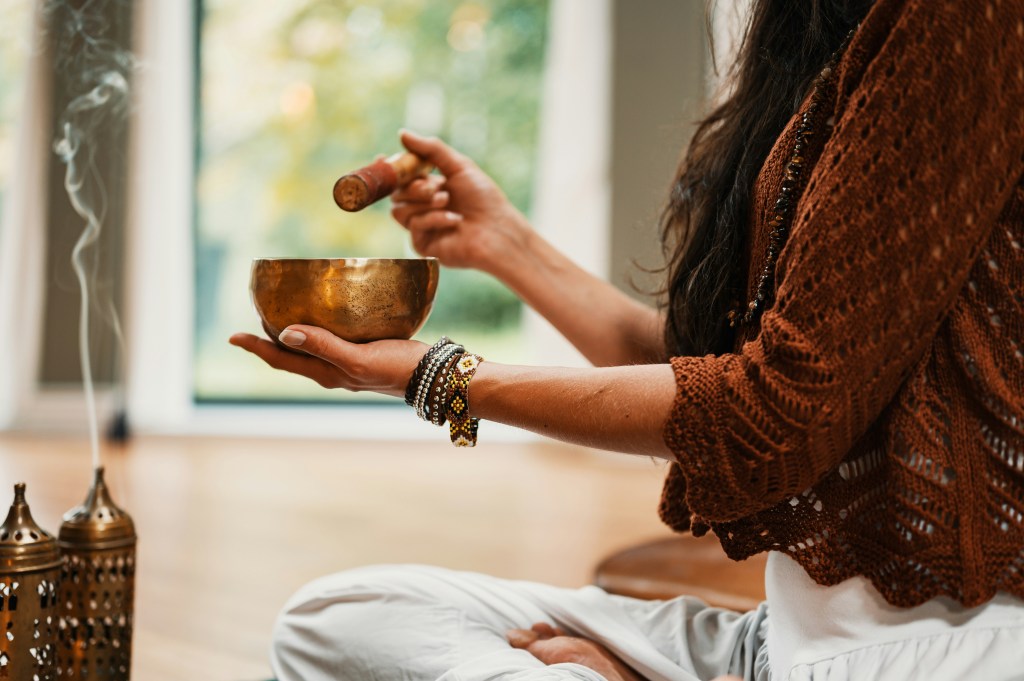
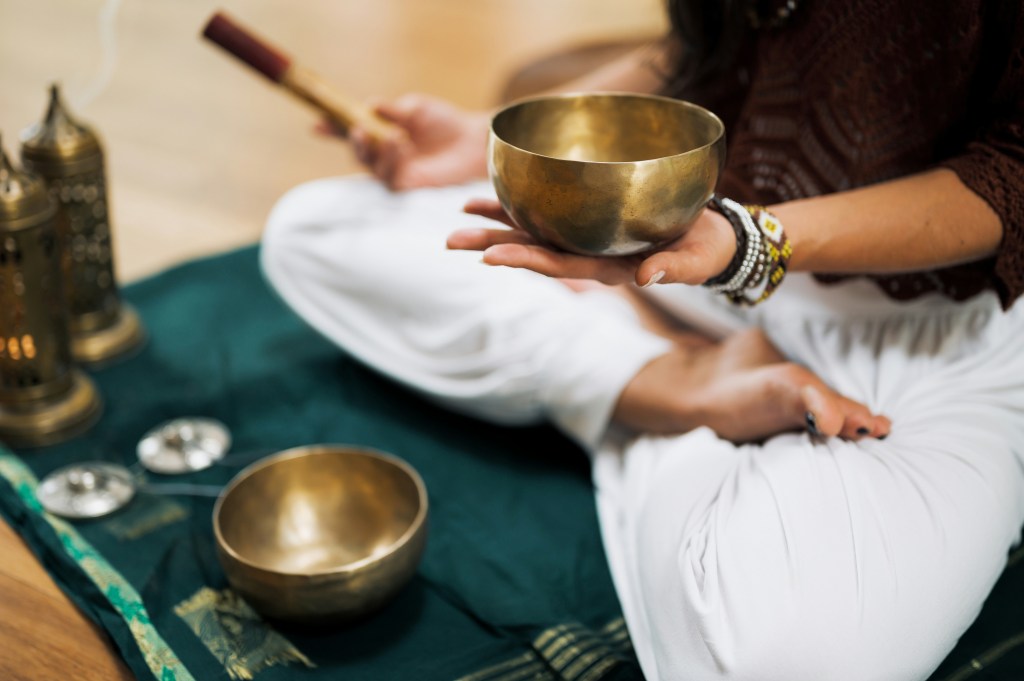
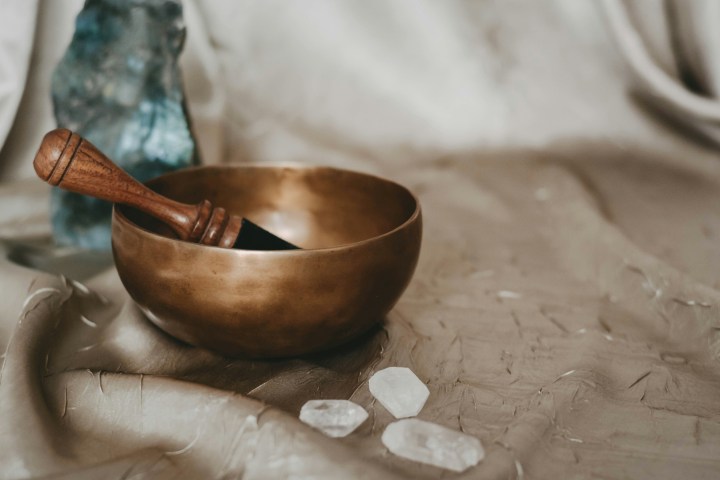
We meditate often and have recently taken our much-needed zen time more deeper with sound baths. The practice of healing bodies through sound is technically thousands of years old with deep roots in cultures across the world. A sound bath is a meditative experience where those who attend a session are “bathed” in sound waves. These waves are produced by various sources, including healing instruments such as gongs, singing bowls, percussion, chimes, rattles, tuning forks, and even the human voice itself.

(Photo credit: Magic-Bowls)

This “spiritual, cleansing music” varies according to place and culture, but it can be as simple as chanting an om following your yoga session or as complex as an hour-long experience in a dedicated space with a sound practitioner.

(Photo credit: Susanna-Marsiglia)

During the sound bath, you often lie on your back and get as comfortable as possible, with a pillow and blanket wrapped over you making the experience as cosy and relaxed as can be.

The different frequencies emitted by gongs, chimes and Tibetan bowls work to soothe the mind and heal the body, stimulating the brainwave frequencies associated with total relaxation and switching on the nervous system’s repair mode.

(Photo credit: Julio-Lopez)

This ancient practice has numerous physical and mental health benefits too, including better sleep, improved mood, reduced stress and unblocking chakras. Chakras are centers of spiritual energy or power, a concept that comes from Hinduism. It may also help treat conditions, such as depression and anxiety.

(Photo credit: Conscious-Design)

After a sound bath, you may be advised to move slowly when transitioning to a seated position. Other advice after a sound bath ends can include staying hydrated, getting rest, and staying relaxed.

(Photo credit: Frames-For-Your-heart)

There are many locations in the UK and around the world that do sound bath sessions. Or if you prefer to take part in the comfort of your own home, you can always listen to a sound bath recording on YouTube, or there are a number of sound bath apps which you can download.

Shelley & Michelle xx